
الرئيسية » مدونة جافيزن » نظام DeFi 2.0 ونماذج الإيرادات الجديدة

Decentralized finance has matured significantly since its explosive growth in 2020. What began as a wave of liquidity mining and high-yield farming has evolved into a more sustainable, infrastructure-driven ecosystem known as DeFi 2.0
In this guide, we’ll explore what DeFi 2.0 is, how it differs from DeFi 1.0, and the innovative revenue models reshaping the industry.
DeFi 2.0 refers to the second generation of decentralized finance protocols designed to solve the core weaknesses of early DeFi systems—unsustainable yields, liquidity dependency, token inflation, and capital inefficiency.
Built primarily on networks like Ethereum and scaling ecosystems such as Arbitrum, DeFi 2.0 emphasizes:
Protocol-owned liquidity
Sustainable tokenomics
Real yield generation
Capital efficiency
Risk management improvements
| DeFi 1.0 | DeFi 2.0 |
|---|---|
| Liquidity mining incentives | Protocol-owned liquidity |
| High token inflation | Sustainable revenue-backed yield |
| Short-term farming | Long-term value accrual |
| Mercenary capital | Sticky liquidity |
| Overcollateralized lending | Capital-efficient structures |
Early protocols like Uniswap and Aave pioneered decentralized trading and lending, but faced challenges around liquidity volatility and reward sustainability.
DeFi 2.0 builds on those foundations with refined economic models.
Instead of renting liquidity through token rewards, protocols acquire and own liquidity directly.
Benefits:
Reduced dependency on yield farmers
Stable trading environments
Long-term treasury growth
This model decreases inflationary pressure and enhances price stability.
One of the biggest shifts in DeFi 2.0 is the move toward real yield—rewards generated from actual protocol revenue rather than token emissions.
Revenue sources include:
Trading fees
Borrowing interest
Liquidation fees
MEV capture
This aligns incentives between users and protocol sustainability.
Liquid staking allows users to stake assets (like ETH) while maintaining liquidity through derivative tokens.
This innovation:
Improves capital efficiency
Enables composability across DeFi
Creates new structured yield strategies
Restaking mechanisms further layer security and yield opportunities within the ecosystem.
DeFi 2.0 introduces structured finance concepts:
Senior vs junior tranches
Risk-adjusted yield strategies
On-chain credit markets
These models mirror traditional finance but operate transparently via smart contracts.
Protocols accumulate treasury assets and redistribute profits to token holders or stakers.
This creates:
Value accrual to governance tokens
Long-term incentive alignment
Reduced speculative inflation
Many protocols are activating fee-sharing mechanisms that direct a portion of platform revenue to token holders.
This transforms governance tokens from speculative assets into yield-generating instruments.
DeFi 2.0 expands beyond crypto-native yields by integrating tokenized real-world assets such as:
Government bonds
Private credit
Real estate-backed tokens
This diversifies revenue streams and reduces dependency on volatile crypto cycles.
Advanced vault systems dynamically allocate capital across protocols to maximize risk-adjusted returns.
Benefits:
Optimized APY
Reduced manual management
Algorithm-driven capital flows
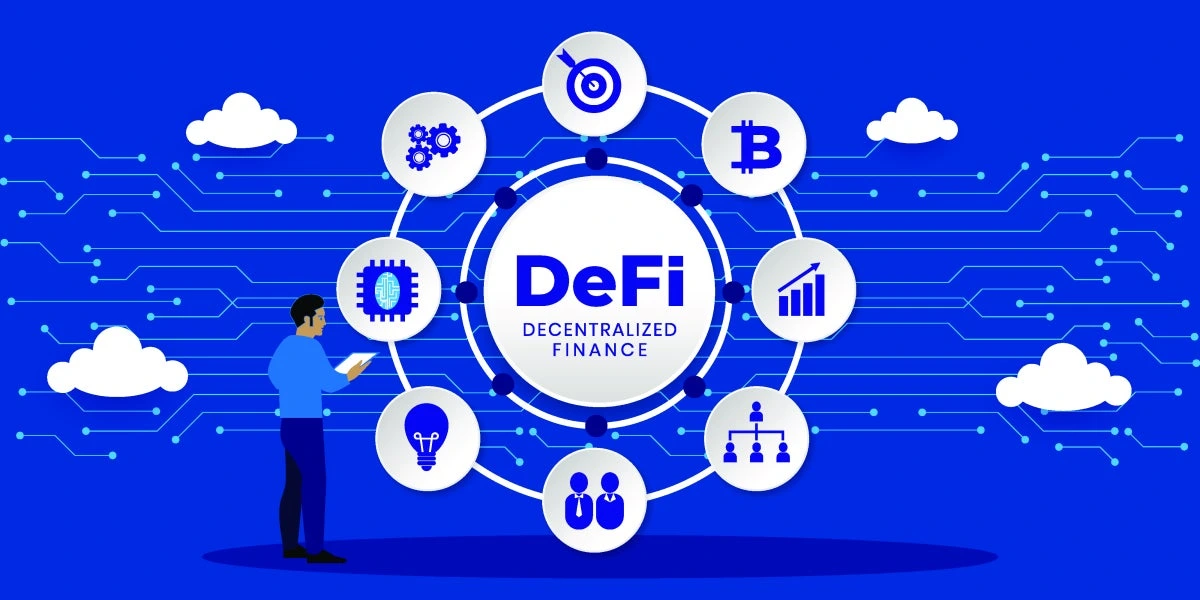
Instead of chasing unsustainable APYs, investors now evaluate:
Revenue-to-market-cap ratios
نماذج إعادة الشراء الرمزية
توليد التدفق النقدي
مع تحسين الشفافية والنماذج المستدامة، يصبح نظام DeFi أكثر جاذبية لرأس المال المؤسسي.
تقليل الاعتماد على الانبعاثات الرمزية يحد من التخفيف.
على الرغم من التحسينات التي طرأت، لا تزال المخاطر قائمة:
نقاط ضعف العقود الذكية
عدم اليقين التنظيمي
تجزئة السيولة
مخاطر العدوى النظامية
إدارة المخاطر والعناية الواجبة أمران في غاية الأهمية.
بالنظر إلى المستقبل، من المتوقع أن يتطور DeFi 2.0 نحو:
تكامل CeFi-DeFi الهجين
أنظمة تسجيل الائتمان على السلسلة
توسيع نطاق التأمين اللامركزي
تخصيص رأس المال القائم على الذكاء الاصطناعي
البنية التحتية للسيولة عبر السلاسل
مع نضوج النظم الإيكولوجية لسلسلة الكتل، قد يشبه التمويل اللامركزي بشكل متزايد أسواق رأس المال الرقمية.
DeFi 2.0 هو المرحلة الثانية من التمويل اللامركزي الذي يركز على الإيرادات المستدامة والسيولة المملوكة للبروتوكول وخلق القيمة على المدى الطويل.
يقلل DeFi 2.0 من تضخم الرمز المميز، ويركز على العوائد الحقيقية المدعومة بالإيرادات، ويقدم هياكل مالية أكثر كفاءة في رأس المال.
يشير العائد الحقيقي إلى العوائد المتولدة من إيرادات البروتوكول الفعلية بدلاً من الرموز المسكوكة حديثًا.
إنه يحسن الاستدامة، ولكن تظل مخاطر العقود الذكية ومخاطر السوق موجودة.
قد يكون مكملاً للتمويل التقليدي من خلال توفير بنية تحتية مالية شفافة وقابلة للبرمجة.


 Arabic
  English