Strategic Bitcoin Reserves: Which Nations are Following the U.S. Lead in 2026?

images
Bitcoin
Date: March 2, 2026
by Javizen
Strategic Bitcoin Reserves: Which Nations are Following the U.S. Lead in 2026?
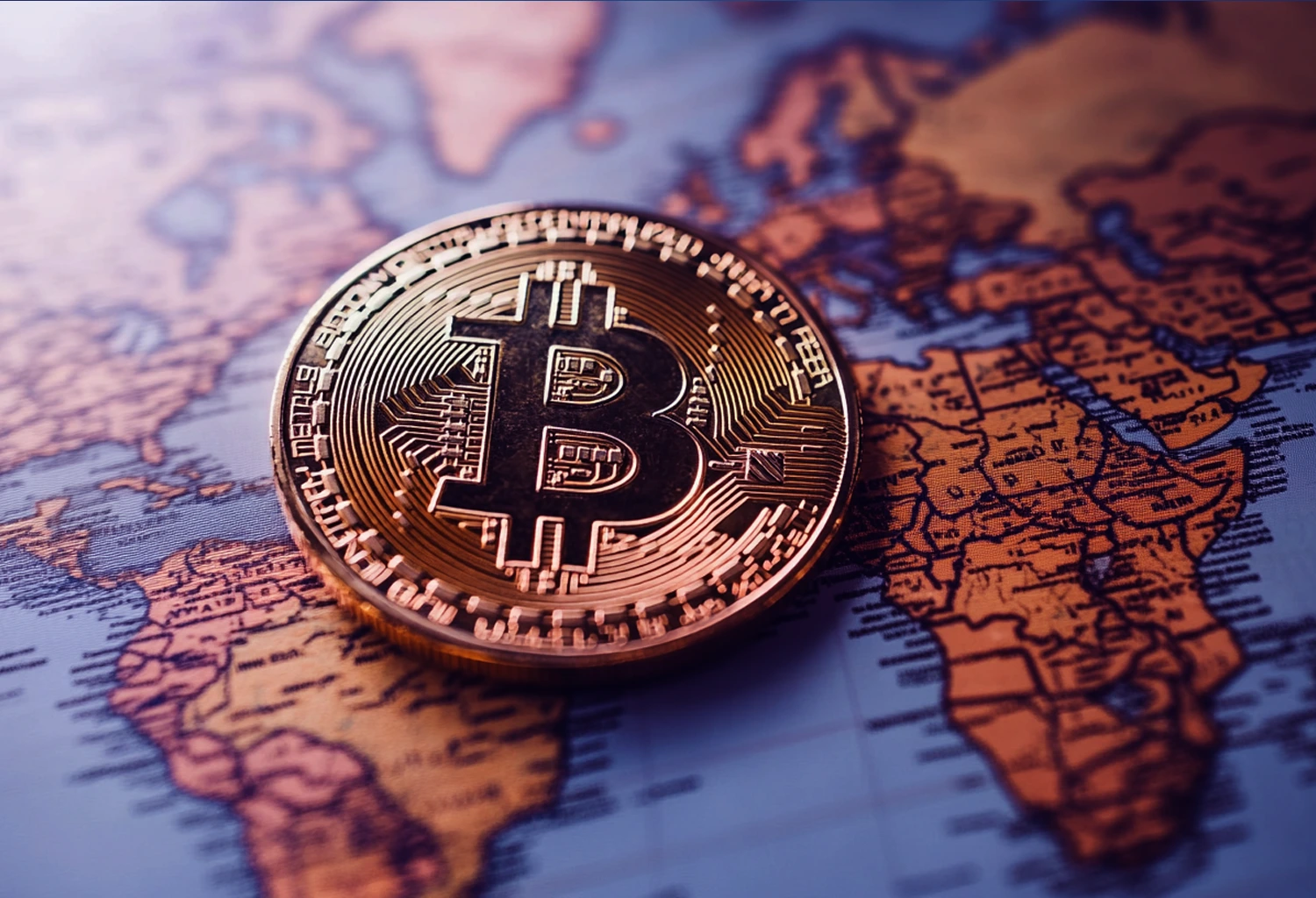
The year 2026 has marked a definitive shift in global finance. No longer a speculative asset on the fringes, Bitcoin has officially entered the halls of sovereign treasuries. What began as a bold experiment in El Salvador has transformed into a strategic geopolitical race, sparked by the United States’ landmark decision to establish a Strategic Bitcoin Reserve.

But as the U.S. formalizes its “Digital Asset Stockpile,” the rest of the world isn’t just watching—they are reacting. From Pakistan to the Kingdom of Bhutan, the “Satoshi Race” is on.


The U.S. “Genesis” Moment: From Seizures to Strategy

As of early 2026, the United States holds the crown as the largest state holder of Bitcoin, with an estimated 328,372 BTC (valued at approximately $30 billion).

The turning point occurred in 2025 when an executive order transformed a dormant collection of seized criminal assets into a formal Strategic Bitcoin Reserve. Managed by the Treasury Department and supported by the GENIUS Act, the U.S. policy now focuses on “taxpayer-neutral” accumulation. By pledging not to sell its holdings and exploring budget-neutral ways to acquire more, the U.S. has sent a clear signal: Bitcoin is a modern hedge against inflation and a tool for national financial resilience.


The Followers: Nations Building Their Own Reserves

While the U.S. lead is dominant, several nations have moved from “crypto-curious” to “active accumulators” in 2026.

1. Pakistan: The Strategic Pivot

In a surprise move in early 2026, Pakistan announced the creation of its own government-led Strategic Bitcoin Reserve. Facing economic pressures and looking for a digital alternative to diversify its national treasury, Pakistan’s strategy marks one of the most significant shifts in South Asian digital policy. While the exact quantity of their accumulation remains undisclosed, the intent is clear: to build a sovereign safety net in the digital age.

2. Bhutan: The Sovereign Miner

The Kingdom of Bhutan has emerged as a unique player. Rather than buying Bitcoin on the open market, Bhutan has used its abundant hydropower to become a Sovereign Miner. As of 2026, Bhutan holds approximately 13,000 BTC. This “green mining” strategy allows the nation to build a reserve while simultaneously funding environmental and educational projects, proving that Bitcoin can align with national sustainability goals.

3. El Salvador: The Veteran Pioneer

El Salvador remains the most committed proponent. In 2026, the nation continues its “1 BTC per day” purchase program. With reserves now exceeding 7,500 BTC, President Bukele’s administration has integrated Bitcoin into nearly every facet of the economy, from “Bitcoin Bonds” to geothermal-powered mining hubs.

4. Kazakhstan: The Rising Contender

Capitalizing on its status as a global mining hub, Kazakhstan is in the process of establishing a State Fund of Digital Assets. Following the vision of President Tokayev, the country plans to use seized assets and mining proceeds to seed a reserve by the end of 2026, linking their digital asset strategy directly to their AI and tech-city initiatives.


The “Accidental” Reserves: China and the UK

Not all nations holding massive Bitcoin reserves do so by choice.

  • China: Despite a strict ban on crypto trading, China remains the second-largest state holder with roughly 194,000 BTC. These are almost entirely the result of large-scale law enforcement seizures (such as the PlusToken case). While the government remains anti-crypto, these “confiscated reserves” represent a massive, silent influence on the market.

  • United Kingdom: Holding over 61,000 BTC, the UK has built its stack through aggressive policing of digital crime. While there is no formal “Strategic Reserve” policy in London yet, the sheer size of the holdings has forced the government into a pragmatic approach toward digital asset custody.

Global Bitcoin Holdings Comparison (Estimated Feb 2026)


Why 2026 is the Year of the “Digital Gold” Standard

The rush toward Bitcoin reserves is driven by three main factors:

  1. Geopolitical Hedge: With global tensions rising, Bitcoin offers an “unstoppable” asset that doesn’t rely on the traditional banking system.

  2. Scarcity Value: With nearly 20 million of the 21 million Bitcoin already mined, nations realize that waiting to buy is becoming increasingly expensive.

  3. Institutional Legitimacy: The success of U.S. spot ETFs and the passage of the GENIUS Act have provided a regulatory “green light” for other sovereign nations to follow suit.

Conclusion: The New Space Race

We are no longer asking if countries will hold Bitcoin, but how much they can afford to miss out on. As the U.S. moves to potentially purchase BTC outright ahead of the 2026 midterms, the pressure on G20 nations to define their own digital asset stockpiles has never been higher.

Previous Article
AI Agents as Your Crypto Co-Pilot
March 2, 2026

AI Agents as Your Crypto Co-Pilot

Next Article
March 2, 2026

Beyond the ETF: How Corporate Digital Asset Treasuries are Changing Bitcoin’s Liquidity

Beyond the ETF: How Corporate Digital Asset Treasuries are Changing Bitcoin’s Liquidity
Get in Touch Now

Find the perfect solution for your needs. Connect with our team to explore our solutions and schedule a demo.

Let’s Speak

Start your digital assets journey today.