
عودة الخصوصية: لماذا تحاول البلوكشين إخفاء المعاملات من جديد
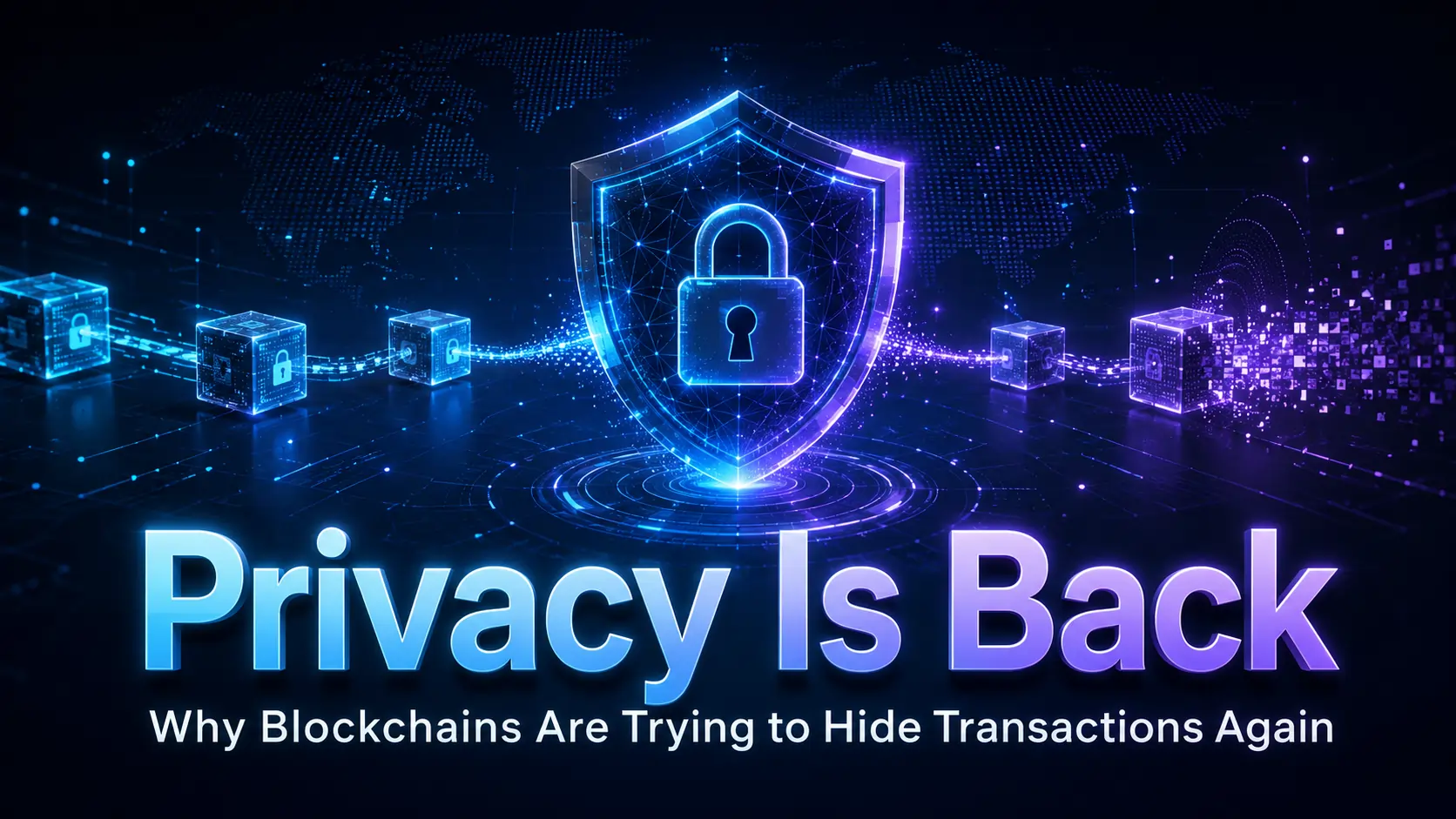
لماذا تعود أهمية خصوصية البلوكشين من جديد؟
تعود أهمية خصوصية البلوكشين من جديد لأن سلاسل البلوكشين العامة تكشف معلومات أكثر مما يدركه كثير من المستخدمين. ففي معظم الشبكات، يمكن لأي شخص الاطلاع على عناوين المحافظ والأرصدة ومبالغ المعاملات وتحويلات الرموز ونشاط التمويل اللامركزي (DeFi). بعبارة بسيطة، العملات المشفّرة ليست خاصة بالقدر الذي يظنه كثير من المبتدئين. فـ Bitcoin و Ethereum والعديد من سلاسل البلوكشين الأخرى شفّافة بحكم تصميمها. وهذه الشفافية تساعد على التحقق وبناء الثقة، لكنها في الوقت نفسه تخلق مشكلة في الخصوصية. فإذا ربط أحدهم عنوان محفظتك بهويتك، فقد يصبح بإمكانه تتبّع نشاطك المالي عبر البلوكشين. لهذا السبب يعمل المطوّرون الآن على أدوات خصوصية أفضل، بما في ذلك براهين المعرفة الصفرية، والتحويلات الخاصة، والمحافظ الحافظة للخصوصية، والرموز السرّية، وأنظمة الخصوصية المتوافقة مع اللوائح. والهدف ليس جعل العملات المشفّرة بلا قانون، بل حماية المستخدمين العاديين والشركات والمؤسسات من كشف كل تحركاتهم المالية للعلن.
سوء الفهم الكبير: العملات المشفّرة ليست مجهولة الهوية تلقائياً
يظن كثير من المبتدئين أن العملات المشفّرة مجهولة الهوية. لكن في الواقع، معظم سلاسل البلوكشين العامة شبه مجهولة (pseudonymous) وليست مجهولة الهوية تماماً (anonymous). شبه مجهولة يعني أن اسمك الحقيقي ليس مكتوباً مباشرة على البلوكشين. بدلاً من ذلك، يرتبط نشاطك بعناوين المحافظ. لكن بمجرد ربط محفظتك بهويتك من خلال منصة تداول، أو ملف تعريف NFT، أو عملية دفع، أو منشور على وسائل التواصل الاجتماعي، أو تسريب بيانات، قد يصبح سجلّك على السلسلة مرئياً. هذا يعني أنه قد يصبح بإمكان الناس رؤية:
- أيّ الرموز تمتلكها
- كمّ العملات المشفّرة التي تلقّيتها
- أيّ المحافظ تتفاعل معها
- أيّ بروتوكولات التمويل اللامركزي تستخدمها
- كم مرة تتداول
- أيّ رموز NFT اشتريتها
- إلى أين حوّلت أموالك
هذا مختلف تماماً عن النظام المصرفي التقليدي، حيث لا تكون أرصدة الحسابات وسجل المعاملات مرئية للجميع علناً. شفافية البلوكشين قوية، لكنها قد تكشف المستخدمين أيضاً بطرق لم يتوقعوها.
لماذا بُنيت سلاسل البلوكشين العامة بهذه الطريقة
صُمّمت سلاسل البلوكشين العامة لتكون شفّافة لأنها بحاجة إلى تحقق مفتوح. فينبغي أن يكون بمقدور أي شخص التحقق من أن المعاملات صحيحة، وأن الرموز لم تُنفق مرتين، وأن الشبكة تتبع قواعدها. هذه الشفافية أحد الأسباب التي تتيح لسلاسل البلوكشين العمل دون بنك مركزي أو معالج مدفوعات. فبدلاً من الوثوق بمؤسسة واحدة، يستطيع المستخدمون التحقق من النظام بأنفسهم. لكن هناك مقايضة. الشفافية نفسها التي تجعل سلاسل البلوكشين جديرة بالثقة تجعلها أيضاً صعبة من ناحية الخصوصية. فإذا كانت كل معاملة عامة إلى الأبد، فقد يفقد المستخدمون السرّية المالية. لهذا السبب عادت خصوصية البلوكشين لتصبح موضوعاً جاداً من جديد. فالقطاع يحاول الإجابة عن سؤال صعب: هل تستطيع سلاسل البلوكشين أن تبقى قابلة للتحقق دون كشف كل شيء؟
لماذا تهمّ الخصوصية لمستخدمي العملات المشفّرة اليوميين
الخصوصية ليست للمستخدمين المتقدمين أو المؤسسات فقط، بل تهمّ مستخدمي العملات المشفّرة العاديين أيضاً. تخيّل أنك تتلقى راتبك بالعملات المشفّرة. إذا كانت محفظتك عامة، فقد يرى أحدهم كم تكسب. تخيّل أنك تتبرّع لقضية ما. قد يتتبّع أحدهم تبرعاتك. تخيّل أنك تدفع لمستقل. قد يرى رصيد محفظتك بالكامل. يمكن أن يخلق هذا مخاطر مثل:
- هجمات تصيّد احتيالي مستهدفة
- مراقبة مالية
- مخاوف تتعلق بالسلامة الشخصية
- تنميط المحافظ
- تسريب معلومات تجارية
- كشف غير مرغوب فيه لنشاط التداول
- فقدان القدرة على التفاوض
الخصوصية جزء طبيعي من الحياة المالية. فالناس لا يتوقعون أن تكون كشوف حساباتهم المصرفية مرئية للإنترنت بأكمله. ولا ينبغي أن يُجبَر مستخدمو العملات المشفّرة على كشف كل شيء أيضاً.
لماذا تحتاج الشركات إلى خصوصية البلوكشين
قد تحتاج الشركات إلى الخصوصية أكثر حتى من الأفراد. فالشركة التي تستخدم البلوكشين للمدفوعات أو سلاسل التوريد أو الأصول المرمّزة أو كشوف الرواتب أو التداول قد لا ترغب في أن يرى منافسوها كل معاملة. فبيانات المعاملات العامة يمكن أن تكشف الموردين والعملاء وتدفقات المخزون وأنماط الإيرادات وتحركات الخزينة أو الاستراتيجية التجارية. بالنسبة للمؤسسات، الخصوصية ليست مجرد تفضيل شخصي، بل قد تكون متطلباً تجارياً. هذا أحد أسباب عودة الخصوصية كاتجاه جاد في البلوكشين. فإذا أرادت العملات المشفّرة أن تصبح جزءاً من التمويل السائد، وسلاسل التوريد، والأصول الواقعية، ومدفوعات الشركات، فإنها تحتاج إلى أدوات خصوصية يمكن للشركات استخدامها فعلاً. لا توجد شركة جادة ترغب في كشف نشاطها المالي بالكامل بشكل افتراضي.
دور براهين المعرفة الصفرية
براهين المعرفة الصفرية، التي تُسمّى غالباً ZK proofs، هي واحدة من أهم التقنيات الكامنة وراء خصوصية البلوكشين الحديثة. يتيح برهان المعرفة الصفرية لشخص ما إثبات صحة شيء ما دون كشف كل المعلومات الأساسية. على سبيل المثال، قد يثبت مستخدم أن معاملة صحيحة دون كشف تفاصيل المعاملة كاملة. وقد تثبت محفظة أن لديها أموالاً كافية دون كشف الرصيد بالكامل. وقد تثبت منصة أن مستخدماً اجتاز فحص امتثال دون كشف المستندات الشخصية علناً. بعبارة بسيطة: تتيح براهين المعرفة الصفرية التحقق دون كشف كامل. هذا أمر قوي لأن سلاسل البلوكشين بحاجة إلى التحقق. والتحدي هو التحقق من النشاط مع إخفاء التفاصيل الحساسة. وتقنية ZK تساعد على حل هذه المشكلة.
ما هي المعاملات الخاصة؟
المعاملات الخاصة هي معاملات بلوكشين تُخفي بعض المعلومات عن العلن. واعتماداً على النظام، قد تُخفي المُرسِل أو المُستقبِل أو المبلغ أو الرصيد أو سجل المعاملات. قد تُخفي المعاملة الخاصة كلياً معظم هذه التفاصيل. أما المعاملة الخاصة جزئياً فقد تُخفي المبلغ أو الطرف المقابل فقط. يمكن تطبيق الخصوصية بطرق مختلفة:
- المحافظ الخاصة
- الرموز السرّية
- التحويلات المعتمدة على ZK
- شبكات الطبقة الثانية (Layer 2) المركّزة على الخصوصية
- المجمّعات المحمية (Shielded pools)
- أدوات الإفصاح الانتقائي
- مجمّعات المعاملات المعلّقة الخاصة (Private mempools)
- أنظمة الخصوصية المؤسسية
ليست كل أنظمة المعاملات الخاصة متماثلة. فبعضها يركّز على خصوصية المستخدم، وبعضها يركّز على السرّية المؤسسية، وبعضها يحاول الجمع بين الخصوصية والامتثال.
الخصوصية مقابل الامتثال: المشكلة الأصعب
التحدي الأكبر هو أن الخصوصية يمكن استخدامها لأغراض جيدة وسيئة على حد سواء. فمن ناحية، تحمي الخصوصية المستخدمين من المراقبة والاحتيال والكشف المالي. ومن ناحية أخرى، يمكن أيضاً إساءة استخدام أدوات الخصوصية في غسل الأموال، والتهرب من العقوبات، والأموال المسروقة، أو النشاط غير القانوني. لهذا السبب يتعامل المنظّمون بحذر مع خصوصية العملات المشفّرة. قد لا يكون مستقبل خصوصية البلوكشين سرّية تامة، بل قد يكون خصوصية انتقائية. الخصوصية الانتقائية تعني أن بإمكان المستخدمين إبقاء تفاصيل المعاملات العادية خاصة مع القدرة على إثبات حقائق امتثال مهمة عند الضرورة. على سبيل المثال، قد يثبت مستخدم أن الأموال لم تأتِ من مصدر غير مشروع معروف دون كشف سجل معاملاته بالكامل. هنا تصبح براهين المعرفة الصفرية مهمة بشكل خاص، إذ قد تتيح للخصوصية والامتثال أن يتعايشا معاً.
لماذا تعود الخصوصية الآن
تعود خصوصية البلوكشين لعدة أسباب. أولاً، أصبحت العملات المشفّرة أكثر انتشاراً. فمع دخول المزيد من المستخدمين والشركات والمؤسسات إلى السوق، تزداد التوقعات المتعلقة بالخصوصية. ثانياً، أصبحت أدوات تحليل البلوكشين أكثر قوة. فأصبح تتبّع المحافظ ووسم العناوين ورسم خرائط السلوك المالي أسهل من أي وقت مضى. ثالثاً، تنمو الأصول الواقعية والتمويل المرمّز. فإذا انتقلت الأسهم والسندات والصناديق ومدفوعات الشركات إلى السلسلة، تصبح الخصوصية أكثر أهمية. رابعاً، يمكن للذكاء الاصطناعي أن يجعل المراقبة أقوى. فأنظمة الذكاء الاصطناعي يمكنها تحليل السلوك على السلسلة على نطاق واسع، مما يجعل تنميط المحافظ أسرع وأدق. خامساً، أصبح لدى المطوّرين الآن أدوات تشفير أفضل. فبراهين المعرفة الصفرية، والعقود الذكية الحافظة للخصوصية، والحوسبة السرّية أصبحت أكثر عملية مما كانت عليه قبل سنوات. هذا المزيج يدفع الخصوصية مجدداً إلى صميم تطوير العملات المشفّرة.
هل خصوصية البلوكشين تعني الاختباء من القانون؟
لا. خصوصية البلوكشين لا تعني تلقائياً نشاطاً غير قانوني. الخصوصية ميزة طبيعية في الأنظمة المالية. فالناس يتوقعون الخصوصية عند استخدام الحسابات المصرفية وبطاقات الائتمان وأنظمة الرواتب وأدوات الدفع التجارية. السؤال الحقيقي ليس ما إذا كانت الخصوصية ينبغي أن توجد، بل كيف نصمّم الخصوصية بمسؤولية. خصوصية البلوكشين الجيدة ينبغي أن تحمي المستخدمين العاديين مع السماح للمنصات والمنظّمين والمؤسسات بإدارة المخاطر، والتحقيق في الجرائم، والالتزام بالقوانين. لهذا السبب يعمل كثير من المطوّرين الآن على أنظمة خصوصية تتضمن الإفصاح الانتقائي، وبراهين الامتثال، وضوابط المخاطر. الهدف ليس إخفاء كل شيء عن الجميع، بل إيقاف الكشف العلني غير الضروري.
مستقبل سلاسل البلوكشين الخاصة والعامة
في المستقبل، قد تصبح خصوصية البلوكشين ميزة قياسية بدلاً من كونها ميزة متخصصة. قد يتوقع المستخدمون أن تُخفي المحافظ الأرصدة بشكل افتراضي. وقد تتوقع الشركات مدفوعات خاصة. وقد تشترط المؤسسات تسوية سرّية. وقد تستخدم منصات التمويل اللامركزي براهين ZK لتفاعلات أكثر أماناً وخصوصية. قد تبقى سلاسل البلوكشين العامة شفّافة على المستوى الأساسي، لكن يمكن للتطبيقات أن تضيف طبقات خصوصية فوقها. وقد تلعب شبكات الطبقة الثانية (Layer 2) أيضاً دوراً رئيسياً من خلال توفير ميزات خصوصية أرخص وأكثر مرونة. قد يخلق هذا نموذجاً جديداً:
- تحقق عام
- بيانات مستخدم خاصة
- امتثال انتقائي
- أمان أفضل
- تبنٍّ مؤسسي أكبر
إذا نجح هذا، فقد تجعل الخصوصية سلاسل البلوكشين أكثر فائدة، لا أقل جدارة بالثقة.
مخاطر وتحديات خصوصية البلوكشين
لا تزال خصوصية البلوكشين تواجه تحديات كبيرة. التحدي الأول هو التنظيم. فقد تقيّد الحكومات أدوات الخصوصية إذا اعتقدت أنها تتيح نشاطاً غير قانوني. التحدي الثاني هو تجربة المستخدم. فيجب أن تكون أدوات الخصوصية سهلة الاستخدام، وإلا سيتجنّبها المبتدئون. التحدي الثالث هو السيولة. فبعض أنظمة الخصوصية تحتاج إلى عدد كافٍ من المستخدمين لتوفير خصوصية قوية. وإذا استخدمها قليل من الناس، فقد تكون الخصوصية ضعيفة. التحدي الرابع هو التكلفة. فالتشفير المتقدم قد يتطلب أحياناً المزيد من الحوسبة أو رسوماً أعلى، رغم أن هذا في تحسّن. التحدي الخامس هو السمعة. فقد ارتبطت بعض أدوات الخصوصية بعمليات اختراق أو تدفقات غير مشروعة، مما يجعل التبنّي أصعب. التحدي السادس هو الأمان. فأنظمة الخصوصية معقدة، ويمكن لأخطاء العقود الذكية أن تخلق مخاطر جدية. لكي تنتشر الخصوصية على نطاق واسع، يجب أن تكون آمنة ومتوافقة مع اللوائح وميسورة التكلفة وسهلة الاستخدام.
هل المعاملات الخاصة جيدة للمبتدئين؟
يمكن أن تكون المعاملات الخاصة مفيدة للمبتدئين، لكن ينبغي للمبتدئين فهم كيفية عملها قبل استخدامها. أدوات الخصوصية ليست سحراً. فقد يكون لها حدود أو رسوم أو متطلبات امتثال أو قيود قانونية تختلف باختلاف البلد والمنصة. ينبغي للمبتدئين أيضاً تجنّب الأدوات التي تَعِد بإخفاء كامل للهوية دون شرح المخاطر. ففي عالم العملات المشفّرة، غالباً ما تكون الوعود المتطرفة خطيرة. قاعدة جيدة للمبتدئين هي: الخصوصية مفيدة، لكن الأمان والشرعية يظلّان مهمَّين. استخدم محافظ موثوقة، وافهم الشبكة، وتجنّب المنصات المشبوهة، ولا تفترض أبداً أن المعاملة مجهولة الهوية تماماً ما لم تفهم التقنية الكامنة وراءها.
أفكار ختامية
تعود الخصوصية لأن سلاسل البلوكشين العامة تكشف معلومات أكثر من اللازم لكثير من المستخدمين في العالم الواقعي. ساعدت الشفافية العملات المشفّرة على النمو، لكن الرؤية المالية الكاملة ليست عملية للمدفوعات اليومية، أو النشاط التجاري، أو التمويل المؤسسي، أو السلامة الشخصية. فإذا أرادت سلاسل البلوكشين أن تصبح جزءاً من التمويل السائد، فهي بحاجة إلى خصوصية أفضل. قد تشكّل براهين المعرفة الصفرية، والتحويلات السرّية، والإفصاح الانتقائي، والمحافظ الخاصة، وأنظمة الطبقة الثانية (Layer 2) المركّزة على الخصوصية الجيلَ التالي من البنية التحتية للعملات المشفّرة. المستقبل على الأرجح ليس عاماً بالكامل ولا مخفياً بالكامل. فقد يكون المستقبل متوازناً: شفّافاً بما يكفي للتحقق، وخاصاً بما يكفي لحماية المستخدمين، ومتوافقاً بما يكفي للتبنّي الجاد. خصوصية البلوكشين لا تتعلق بإخفاء كل شيء، بل بمنح المستخدمين السيطرة على ما ينبغي أن يكون عاماً وما ينبغي أن يبقى خاصاً.
Frequently asked questions
هل معاملات البلوكشين خاصة؟
معظم معاملات البلوكشين العامة ليست خاصة بالكامل. فعناوين المحافظ والأرصدة وسجل المعاملات يمكن غالباً أن يطّلع عليها أي شخص.
هل العملات المشفّرة مجهولة الهوية؟
معظم العملات المشفّرة شبه مجهولة وليست مجهولة الهوية تماماً. فقد لا يظهر اسمك الحقيقي على السلسلة، لكن يمكن تتبّع نشاط محفظتك.
ما هي خصوصية البلوكشين؟
تشير خصوصية البلوكشين إلى الأدوات والتقنيات التي تُخفي أو تحمي معلومات المعاملات الحساسة مع السماح للشبكة بالتحقق من النشاط.
ما هي براهين المعرفة الصفرية؟
براهين المعرفة الصفرية هي طرق تشفيرية تتيح لشخص ما إثبات صحة شيء ما دون كشف البيانات الخاصة الأساسية.
لماذا تحتاج سلاسل البلوكشين إلى الخصوصية؟
تحتاج سلاسل البلوكشين إلى الخصوصية لحماية المستخدمين والشركات والمؤسسات والنشاط المالي من الكشف العلني غير الضروري.
هل المعاملات الخاصة غير قانونية؟
المعاملات الخاصة ليست غير قانونية تلقائياً. ومع ذلك، قد تكون بعض أدوات الخصوصية مقيّدة في بلدان معينة، ويجب على المستخدمين الالتزام بالقوانين المحلية.
ما هي الخصوصية المتوافقة مع اللوائح؟
الخصوصية المتوافقة مع اللوائح تعني حماية تفاصيل المعاملات مع السماح بالفحوصات القانونية أو التنظيمية أو فحوصات المخاطر الضرورية من خلال الإفصاح الانتقائي أو البراهين التشفيرية.
هل ستصبح خصوصية البلوكشين أمراً اعتيادياً؟
قد تصبح أكثر شيوعاً مع نمو العملات المشفّرة، خاصة بالنسبة للمحافظ والمؤسسات والأصول الواقعية ومدفوعات الشركات.
آخر مقال
 06 Sep, 2026
How to Build a Crypto Options Trading Platform
 05 Sep, 2026
How to Launch a Crypto Prop Trading Platform
 03 Sep, 2026
How to Scale a Crypto Exchange for High Trading Volume
 02 Sep, 2026
How to Design a Crypto Exchange Fee Structure
 01 Sep, 2026
Market Makers vs Liquidity Providers: What Is the Difference?
Build with Javizen.
Planning an exchange, token or blockchain product? Talk to our team and turn the ideas in this article into a launch-ready platform.