
ما هي العملة المستقرة؟ دليل المبتدئين إلى USDT وUSDC والدولارات الرقمية
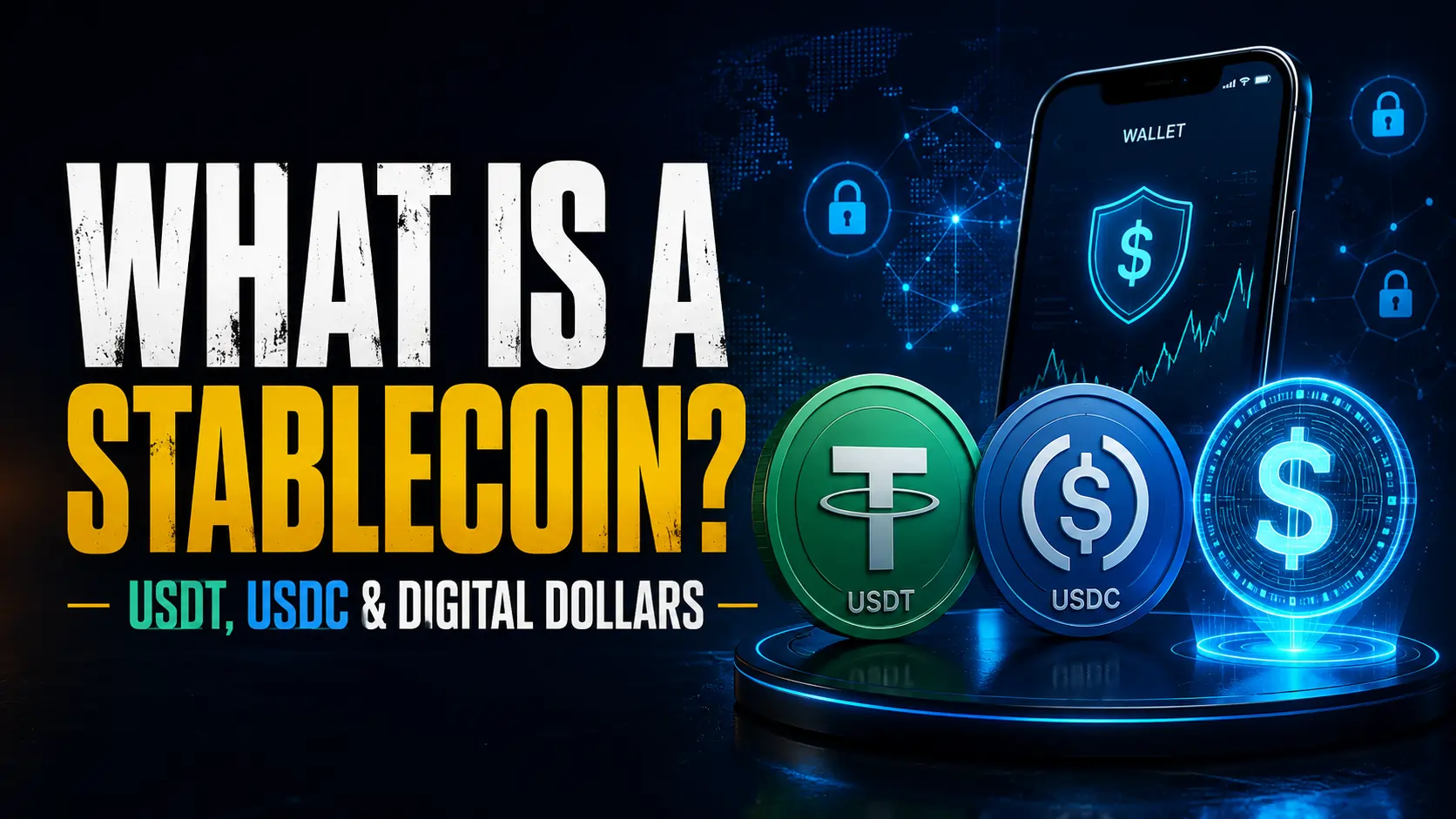
ما هي العملة المستقرة؟
العملة المستقرة هي نوع من العملات المشفّرة مصمَّم للحفاظ على قيمة ثابتة. ترتبط معظم العملات المستقرة الشائعة بأصل من أصول العالم الواقعي، وغالباً ما يكون الدولار الأمريكي. على سبيل المثال، صُمّمت USDT وUSDC لتبقى قريبة من قيمة دولار واحد. وهذا ما يميّزها عن عملات مشفّرة مثل البيتكوين أو الإيثيريوم، التي يمكن أن يرتفع سعرها أو ينخفض بشكل حاد. بعبارة بسيطة، العملة المستقرة هي نسخة رقمية من النقود تعمل على بلوكتشين. فهي تمنح المستخدمين سرعة الكريبتو ومرونته، مع محاولة الحدّ من تقلّب الأسعار الذي يجعل كثيراً من العملات المشفّرة محفوفة بالمخاطر في المدفوعات اليومية والادخار والتداول. كثيراً ما تُسمّى العملات المستقرة "دولارات رقمية" لأن كثيراً منها يمثّل قيمة شبيهة بالدولار على شبكات الكريبتو. وتُستخدم على نطاق واسع في التداول، وتحويل الأموال، وتخزين القيمة مؤقتاً، والوصول إلى منصّات التمويل اللامركزي (DeFi)، ونقل الأموال بين المنصّات.
لماذا تهمّ العملات المستقرة في الكريبتو
الكريبتو مثير، لكنه أيضاً متقلّب. يمكن أن يرتفع البيتكوين بسرعة، لكنه قد ينخفض بسرعة أيضاً. ويمكن أن تتحرّك الإيثيريوم والسولانا وغيرهما من الأصول الرقمية بنسب كبيرة في يوم واحد. وبالنسبة للمستثمرين والمتداولين، قد يخلق هذا التقلّب فرصاً. لكنه بالنسبة للمستخدمين العاديين قد يخلق مشكلات أيضاً. تخيّل أن تتلقّى مدفوعاً بعملة مشفّرة تخسر 10% من قيمتها قبل أن تستخدمها. أو تخيّل أن تبيع البيتكوين لتحقيق ربح لكن من دون طريقة سهلة للبقاء داخل سوق الكريبتو من دون تعريض نفسك لمزيد من تقلّبات الأسعار. هنا تصبح العملات المستقرة مفيدة. أُنشئت العملات المستقرة لحلّ واحدة من أكبر مشكلات الكريبتو: عدم الاستقرار. فهي مصمَّمة للجمع بين مزايا تقنية البلوكتشين واستقرار النقود التقليدية. فبدلاً من التحرّك المستمر مثل البيتكوين، تحاول العملة المستقرة الحفاظ على سعر يمكن التنبّؤ به. ترتبط أكثر العملات المستقرة شيوعاً بالدولار الأمريكي. ولهذا السبب كثيراً ما تُوصَف USDT وUSDC وغيرها من الرموز المرتبطة بالدولار بأنها دولارات رقمية. فهي ليست نقداً مادياً، وليست تماماً كالأموال في حساب مصرفي. لكن يمكن تحويلها عالمياً، وتخزينها في محافظ الكريبتو، واستخدامها عبر كثير من تطبيقات البلوكتشين. بالنسبة للمبتدئين، يُعدّ فهم العملات المستقرة من أهمّ الخطوات في تعلّم الكريبتو. فالعملات المستقرة تُستخدم في كل مكان تقريباً في منظومة الكريبتو: المنصّات، والمحافظ، وبروتوكولات التمويل اللامركزي، وأسواق الرموز غير القابلة للاستبدال (NFT)، وأنظمة الدفع، والتحويلات العابرة للحدود.
ما هي العملة المستقرة بعبارات بسيطة؟
العملة المستقرة هي عملة مشفّرة مصمَّمة للحفاظ على سعر ثابت من خلال ارتباطها، أو "تثبيتها"، بأصل آخر. وفي معظم الحالات يكون هذا الأصل هو الدولار الأمريكي. على سبيل المثال:
- صُمّمت 1 USDT لتساوي نحو دولار أمريكي واحد.
- صُمّمت 1 USDC لتساوي نحو دولار أمريكي واحد.
- بعض العملات المستقرة مرتبط باليورو أو الذهب أو أصول أخرى.
الهدف بسيط: جعل الكريبتو أسهل في الاستخدام من دون تعريض المستخدمين لتقلّبات شديدة. يُعرف البيتكوين أساساً بأنه أصل رقمي لامركزي ذو عرض محدود. وتُعرف الإيثيريوم بالعقود الذكية والتطبيقات اللامركزية. أما العملات المستقرة فتُعرف بالاستقرار والمنفعة. وكثيراً ما تُستخدم بوصفها "طبقة النقد" في سوق الكريبتو. عندما يبيع المتداولون البيتكوين، قد يحوّلونه إلى USDT أو USDC بدلاً من سحبه إلى حساب مصرفي. وعندما يرغب المستخدمون في إرسال الأموال دولياً، قد يستخدمون العملات المستقرة لأنها تتحرّك أسرع من الأنظمة المصرفية التقليدية. وعندما يستخدم الناس التمويل اللامركزي، كثيراً ما تعمل العملات المستقرة بوصفها وحدة الحساب الأساسية.
كيف تعمل العملات المستقرة؟
تعمل العملات المستقرة باستخدام آلية تساعد على إبقاء سعرها قريباً من قيمة الأصل الذي تتتبّعه. والنموذج الأكثر شيوعاً هو العملات المستقرة المدعومة باحتياطيات. في النموذج المدعوم باحتياطيات، تحتفظ الشركة أو الجهة المُصدِرة للعملة المستقرة بأصول كاحتياطي. وقد تشمل هذه الاحتياطيات النقد، أو الأوراق المالية الحكومية قصيرة الأجل، أو غيرها من الأصول السائلة. والفكرة أنه مقابل كل عملة مستقرة متداولة ينبغي أن يكون هناك دعم كافٍ لإسناد قيمتها. على سبيل المثال، إذا أصدرت شركة عملة مستقرة مرتبطة بالدولار، فينبغي أن تحتفظ باحتياطيات تساعد المستخدمين على الثقة بأنه يمكن استرداد كل رمز أو إسناده بما يقارب دولاراً واحداً. تسير العملية عادةً على النحو التالي: 1. يقدّم مستخدم أو مؤسسة دولارات إلى الجهة المُصدِرة للعملة المستقرة. 2. تُنشئ الجهة المُصدِرة، أو "تسكّ"، كمية مكافئة من العملات المستقرة. 3. يمكن تحويل العملات المستقرة على شبكات البلوكتشين المدعومة. 4. عند استرداد العملات المستقرة، تزيل الجهة المُصدِرة الرموز، أو "تحرقها"، وتُعيد ما يكافئها من العملة التقليدية. تساعد عملية السكّ والحرق هذه على إدارة عرض العملات المستقرة. فعندما يزداد الطلب، يمكن إصدار مزيد من العملات المستقرة. وعندما يستردّها المستخدمون، ينخفض العرض. غير أن العملات المستقرة لا تعمل جميعها بالطريقة نفسها. فبعضها مدعوم باحتياطيات نقدية، وبعضها بضمانات من الكريبتو، وبعضها بالسلع، وبعضها يستخدم أنظمة خوارزمية. ولكل نوع مزاياه ومخاطره المختلفة.
الأنواع الرئيسية للعملات المستقرة
| أنواع العملات المستقرة | الوصف | الأنسب لـ: |
|---|---|---|
| 1. العملات المستقرة المدعومة بعملات نقدية | العملات المستقرة المدعومة بعملات نقدية مدعومة بعملات تقليدية مثل الدولار الأمريكي أو اليورو. وتُعدّ USDT وUSDC أشهر الأمثلة على العملات المستقرة المرتبطة بالدولار. وتحظى هذه العملات المستقرة بشعبية لأنها سهلة الفهم. والهدف بسيط: ينبغي أن يبقى الرمز الواحد قريباً من وحدة واحدة من العملة النقدية. | المبتدئون والمتداولون والمدفوعات والتحويلات بين المنصّات والاستخدام العام للكريبتو. |
| 2. العملات المستقرة المدعومة بالكريبتو | العملات المستقرة المدعومة بالكريبتو مدعومة بعملات مشفّرة أخرى. ولأن أسعار الكريبتو متقلّبة، فإن هذه العملات المستقرة كثيراً ما تتطلّب ضماناً زائداً. ويعني هذا أن المستخدمين قد يحتاجون إلى إيداع قيمة أكبر مما يقترضونه أو يسكّونه. على سبيل المثال، قد يُودِع مستخدم ما قيمته 150 دولاراً من الكريبتو لإنشاء ما قيمته 100 دولار من العملات المستقرة. ويساعد هذا الضمان الإضافي على حماية النظام إذا انخفض سعر الضمان. | مستخدمو التمويل اللامركزي الراغبون في نماذج عملات مستقرة أكثر لامركزية. |
| 3. العملات المستقرة المدعومة بالسلع | بعض العملات المستقرة مدعوم بسلع مثل الذهب. فبدلاً من تتبّع الدولار الأمريكي، تتتبّع قيمة أصل مادي. | المستخدمون الراغبون في التعرّض للسلع عبر البلوكتشين. |
| 4. العملات المستقرة الخوارزمية | تحاول العملات المستقرة الخوارزمية الحفاظ على سعرها باستخدام الشيفرة والحوافز وتعديلات العرض بدلاً من الاحتياطيات التقليدية. وقد تكون مبتكرة، لكنها أيضاً أكثر خطورة. وقد فشلت بعض نماذج العملات المستقرة الخوارزمية في الماضي، مسبّبةً خسائر كبيرة للمستخدمين. | المستخدمون المتقدّمون الذين يفهمون المخاطر. وينبغي للمبتدئين توخّي الحذر الشديد مع العملات المستقرة الخوارزمية. |
ما هي USDT؟
USDT، المعروفة أيضاً باسم Tether، هي واحدة من أكثر العملات المستقرة استخداماً في سوق الكريبتو. وهي مصمَّمة لتتبّع قيمة الدولار الأمريكي. وهذا يعني أن 1 USDT يُقصد منها أن تبقى قريبة من دولار واحد. تُستخدم USDT بكثرة من قِبل المتداولين لأنها متوفّرة على كثير من المنصّات وشبكات البلوكتشين. وكثيراً ما تُستخدم بوصفها زوج تداول مقابل البيتكوين والإيثيريوم وآلاف العملات المشفّرة الأخرى. على سبيل المثال، بدلاً من تداول البيتكوين مباشرةً مقابل الدولارات، تقدّم كثير من منصّات الكريبتو أسواق BTC/USDT. ويتيح هذا للمستخدمين الدخول إلى الأصول المتقلّبة والخروج منها مع البقاء داخل منظومة الكريبتو. تحظى USDT بشعبية بسبب سيولتها. والسيولة تعني وجود كثير من المشترين والبائعين، مما يسهّل تداول مبالغ كبيرة من دون فروق سعرية كبيرة. وبالنسبة للمتداولين النشطين، تُعدّ السيولة مهمّة جداً. غير أنه ينبغي للمبتدئين أيضاً أن يدركوا أن USDT تصدرها شركة مركزية. وهذا يعني أن المستخدمين يعتمدون على إدارة الجهة المُصدِرة للاحتياطيات وشفافيتها وقدرتها على الحفاظ على الارتباط.
ما هي USDC؟
USDC، أو USD Coin، هي عملة مستقرة رئيسية أخرى مرتبطة بالدولار. وكما هي الحال مع USDT، صُمّمت للحفاظ على قيمة قريبة من دولار أمريكي واحد. وتصدرها شركة Circle، وكثيراً ما تُربط بالشفافية والبنية المالية المنظَّمة والاستخدام المؤسسي. تُستخدم USDC على نطاق واسع في المنصّات والمحافظ ومنصّات التمويل اللامركزي وتطبيقات الدفع. ويختار كثير من المستخدمين USDC لأنها معروفة بإصدار تقارير منتظمة عن الاحتياطيات وارتباطها القوي بالأنظمة المالية المنظَّمة. بالنسبة للمبتدئين، كثيراً ما يُنظر إلى USDC على أنها طريقة نظيفة وبسيطة لفهم الدولارات الرقمية. فهي تعمل كنسخة مرمَّزة من الدولار على شبكات البلوكتشين المدعومة. غير أن USDC تنطوي أيضاً على مخاطر. فهي مركزية، مما يعني أن الجهة المُصدِرة يمكنها التحكّم في الإصدار وقد تجمّد الرموز في حالات قانونية أو تنظيمية معيّنة. كما أنها تعتمد على العلاقات المصرفية وإدارة الاحتياطيات.
USDT مقابل USDC: ما الفرق؟
كل من USDT وUSDC عملة مستقرة مرتبطة بالدولار، لكنهما ليستا متطابقتين تماماً. تُعرف USDT عادةً بحجم تداولها الكبير ودعمها الواسع من المنصّات وسيولتها العميقة عبر أسواق الكريبتو العالمية. ويستخدم كثير من المتداولين USDT لأنها متوفّرة في كل مكان تقريباً. أما USDC فكثيراً ما تُعرف بنهجها المركّز على الشفافية، وتبنّيها المؤسسي، وحضورها القوي في الأسواق المنظَّمة وتطبيقات التمويل اللامركزي. إليك مقارنة بسيطة:
| الميزة | USDT | USDC |
|---|---|---|
| الاسم الكامل | Tether | USD Coin |
| الارتباط | الدولار الأمريكي | الدولار الأمريكي |
| الاستخدام الرئيسي | التداول والسيولة | المدفوعات والتمويل اللامركزي والمؤسسات والتداول |
| نوع الجهة المُصدِرة | جهة مُصدِرة مركزية | جهة مُصدِرة مركزية |
| مناسبة للمبتدئين | نعم، لكن البحث مهمّ | نعم، لكن البحث مهمّ |
| نقطة القوة الرئيسية | السيولة والتوافر | الشفافية والتموضع المنظَّم |
يعتمد الخيار الأفضل على هدف المستخدم. فقد يفضّل المتداولون USDT بسبب السيولة. وقد يفضّل المستخدمون الذين يولون الأولوية للشفافية USDC. ويستخدم كثير من مستخدمي الكريبتو ذوي الخبرة كلتيهما حسب المنصّة والشبكة والرسوم والغرض.
ما هي الدولارات الرقمية؟
الدولارات الرقمية هي أصول شبيهة بالدولار توجد في صورة رقمية. وفي الكريبتو، كثيراً ما يشير المصطلح إلى العملات المستقرة المرتبطة بالدولار الأمريكي مثل USDT وUSDC. ليس الدولار الرقمي دائماً الشيء نفسه الذي يمثّله العملة الرقمية للبنك المركزي الصادرة عن الحكومة، والمعروفة أيضاً باسم CBDC. فالعملات المستقرة عادةً ما تصدرها شركات خاصة، في حين أن العملات الرقمية للبنوك المركزية تصدرها البنوك المركزية. في لغة الكريبتو اليومية، عندما يقول أحدهم "دولارات رقمية"، فإنه يقصد عادةً العملات المستقرة التي تمثّل قيمة بالدولار على بلوكتشين. الدولارات الرقمية مفيدة لأنها يمكن أن تتحرّك بسرعة عبر الحدود، وتعمل على مدار الساعة طوال أيام الأسبوع، وتتفاعل مع تطبيقات البلوكتشين. وعلى عكس التحويلات المصرفية التقليدية، يمكن أن تحدث معاملات العملات المستقرة في أي وقت، بما في ذلك عطلات نهاية الأسبوع والأعياد. وهذا يجعل الدولارات الرقمية مهمّة بشكل خاص لـ:
- تداول الكريبتو
- التحويلات العابرة للحدود
- مدفوعات العمل الحرّ
- الإقراض والاقتراض في التمويل اللامركزي
- مدفوعات الأعمال عبر الإنترنت
- أدوات الادخار على البلوكتشين
- التسوية السريعة بين المنصّات
لماذا يستخدم الناس العملات المستقرة؟
تحظى العملات المستقرة بشعبية لأنها تحلّ عدة مشكلات عملية في الكريبتو.
1. الحماية من التقلّب
أكبر سبب لاستخدام الناس العملات المستقرة هو تجنّب التقلّب. فإذا باع متداول البيتكوين بعد ارتفاع في السعر، فقد يحوّله إلى USDT أو USDC للحفاظ على ثبات القيمة من دون مغادرة منصّة الكريبتو.
2. التحويلات السريعة
يمكن إرسال العملات المستقرة عالمياً عبر شبكات البلوكتشين. وحسب الشبكة، قد تُسوّى المعاملات في ثوانٍ أو دقائق.
3. انخفاض تكاليف التحويل
تتيح بعض شبكات البلوكتشين تحويلات العملات المستقرة برسوم منخفضة. وقد يكون هذا مفيداً للمدفوعات الدولية، خصوصاً مقارنةً بالخدمات المصرفية أو خدمات التحويلات التقليدية.
4. الوصول إلى التمويل اللامركزي
تُستخدم العملات المستقرة بكثرة في التمويل اللامركزي. ويمكن للمستخدمين الإقراض أو الاقتراض أو توفير السيولة أو تحقيق عائد باستخدام العملات المستقرة. غير أن التمويل اللامركزي يضيف أيضاً مخاطر العقود الذكية والمنصّات.
5. تداول أسهل
تعمل العملات المستقرة بوصفها عملة أساسية في منصّات الكريبتو. فبدلاً من التحويل عودةً إلى النقود التقليدية، يمكن للمتداولين الانتقال بين أصول الكريبتو والعملات المستقرة بسرعة.
6. الوصول العالمي إلى الدولار
في بعض البلدان، يكون الوصول إلى الدولارات محدوداً. ويمكن للعملات المستقرة أن توفّر وصولاً رقمياً إلى قيمة شبيهة بالدولار، وإن كان على المستخدمين مراعاة القوانين المحلية ومخاطر المنصّات ومخاطر العملات المستقرة.
هل العملات المستقرة آمنة؟
العملات المستقرة عموماً أقل تقلّباً من البيتكوين أو غيره من العملات المشفّرة، لكنها ليست خالية من المخاطر. فكلمة "مستقرة" لا تعني مضمونة. إليك أبرز المخاطر التي ينبغي للمبتدئين فهمها.
1. مخاطر فكّ الارتباط
يمكن أن تفقد العملة المستقرة ارتباطها مؤقتاً أو دائماً. وهذا يعني أنها قد تُتداول دون دولار واحد أو فوقه. ويمكن أن يحدث فكّ الارتباط بسبب الذعر، أو المخاوف بشأن الاحتياطيات، أو المشكلات التقنية، أو مشكلات السيولة، أو ضغوط السوق.
2. مخاطر الجهة المُصدِرة
تعتمد العملات المستقرة المركزية على الشركة التي تصدرها. فإذا واجهت الجهة المُصدِرة مشكلات مالية أو قانونية أو تشغيلية أو متعلّقة بالشفافية، فقد يتأثّر المستخدمون.
3. مخاطر الاحتياطيات
قوة العملة المستقرة بقدر قوة دعمها وإدارة احتياطياتها. وينبغي للمستخدمين فهم الأصول التي تدعم العملة المستقرة وما إذا كان يُبلَّغ عن هذه الاحتياطيات بانتظام.
4. مخاطر شبكة البلوكتشين
توجد العملات المستقرة على شبكات البلوكتشين. فإذا أرسلت USDT أو USDC على الشبكة الخاطئة، فقد تفقد الوصول إلى أموالك. على سبيل المثال، USDT على الإيثيريوم ليست هي نفسها USDT على Tron أو BNB Chain، رغم أنهما يمثّلان العلامة التجارية نفسها للعملة المستقرة.
5. مخاطر العقود الذكية
عند استخدام العملات المستقرة في التمويل اللامركزي، يمكن أن تتسبّب أخطاء العقود الذكية أو إخفاقات البروتوكول في خسائر.
6. المخاطر التنظيمية
قواعد العملات المستقرة تتغيّر حول العالم. ويمكن أن تؤثّر اللوائح الجديدة في كيفية إصدار العملات المستقرة أو استخدامها أو دعمها من قِبل المنصّات.
كيف تختار عملة مستقرة كمبتدئ
ينبغي ألّا يستند اختيار العملة المستقرة إلى الشعبية وحدها. وعلى المبتدئين النظر في عدة عوامل.
1. السمعة
استخدم العملات المستقرة المعترف بها على نطاق واسع والمدعومة من المحافظ والمنصّات الكبرى.
2. الشفافية
تحقّق مما إذا كانت الجهة المُصدِرة تقدّم تقارير عن الاحتياطيات، أو عمليات تدقيق، أو شهادات تصديق، أو صفحات شفافية عامة.
3. السيولة
العملة المستقرة ذات السيولة القوية أسهل في الشراء والبيع والتحويل.
4. دعم الشبكات
تحقّق من شبكات البلوكتشين التي تدعم العملة المستقرة. وتشمل الشبكات الشائعة الإيثيريوم، وTron، وSolana، وBNB Chain، وPolygon، وغيرها.
5. الرسوم
تعتمد رسوم تحويل العملات المستقرة على شبكة البلوكتشين. وقد تكون الإيثيريوم أكثر تكلفة خلال فترات الازدحام، في حين قد توفّر شبكات أخرى رسوماً أقل.
6. حالة الاستخدام
إذا كنت تريد التداول، فقد تكون USDT أكثر توفّراً على بعض المنصّات. وإذا كنت تريد مدفوعات مركّزة على الشفافية أو استخداماً في التمويل اللامركزي، فقد تكون USDC مناسبة. ويعتمد الخيار الصحيح على هدفك.
العملات المستقرة والتمويل اللامركزي
العملات المستقرة هي إحدى دعائم التمويل اللامركزي. وتستخدم كثير من منصّات التمويل اللامركزي العملات المستقرة للإقراض والاقتراض وتجمّعات السيولة وزراعة العائد والتداول. على سبيل المثال، قد يُودِع مستخدم USDC في بروتوكول إقراض ويكسب فائدة. وقد يقترض مستخدم آخر عملات مستقرة بتقديم ضمان من الكريبتو. وقد يستخدم المتداولون أيضاً تجمّعات سيولة العملات المستقرة للمبادلة بين الأصول. تجعل العملات المستقرة التمويل اللامركزي أسهل لأنها توفّر وحدة قيمة يمكن التنبّؤ بها. فمن دون العملات المستقرة، سيضطر المستخدمون إلى التعامل مع تغيّرات سعرية مستمرة في كل معاملة. غير أن التمويل اللامركزي قد يكون معقّداً. وينبغي للمبتدئين أن يدركوا أن العائد ليس مجانياً أبداً. فالعوائد الأعلى تأتي عادةً بمخاطر أعلى. وقد تشمل هذه المخاطر أخطاء العقود الذكية، وإخفاق البروتوكول، ومشكلات السيولة، ومشكلات الأوراكل، وصدمات السوق.
العملات المستقرة ومنصّات الكريبتو
على المنصّات المركزية، تُستخدم العملات المستقرة بوصفها أزواج تداول. وقد ترى أزواجاً مثل:
- BTC/USDT
- ETH/USDT
- SOL/USDC
- BNB/USDT
تتيح هذه الأزواج للمستخدمين تسعير أصول الكريبتو بالدولارات الرقمية. وهذا يجعل التداول أسهل لأن المستخدمين يستطيعون قياس الأرباح والخسائر مقابل وحدة مستقرة. على سبيل المثال، إذا ارتفع البيتكوين من 60,000 USDT إلى 70,000 USDT، فيمكن للمتداولين فهم تغيّر السعر بسهولة بالدولار. كما تسهّل العملات المستقرة نقل الأموال بين المنصّات. فبدلاً من سحب النقود التقليدية إلى حساب مصرفي وإيداعها في مكان آخر، قد يرسل المستخدمون العملات المستقرة مباشرةً بين المنصّات. وقد يكون هذا أسرع، لكن على المستخدمين توخّي الحذر مع عناوين المحافظ والشبكات وقواعد الإيداع في المنصّات.
العملات المستقرة مقابل الدولارات التقليدية
العملات المستقرة والدولارات التقليدية مترابطة، لكنها ليست الشيء نفسه. تُحتفظ الدولارات التقليدية في الحسابات المصرفية أو النقد أو المؤسسات المالية. أما العملات المستقرة فهي رموز بلوكتشين تمثّل قيمة شبيهة بالدولار. تتمثّل المزايا الرئيسية للعملات المستقرة في السرعة وقابلية التحويل العالمية والقابلية للبرمجة والوصول على مدار الساعة طوال أيام الأسبوع. أما العيوب الرئيسية فهي مخاطر الجهة المُصدِرة، ومسؤولية المحفظة، وأخطاء البلوكتشين، وعدم اليقين التنظيمي. مع الحساب المصرفي، قد يساعدك المصرف على استعادة الوصول إذا نسيت كلمة المرور. أما مع محفظة الكريبتو، فإذا فقدت مفتاحك الخاص أو العبارة الأولية (seed phrase)، فقد تفقد الوصول بشكل دائم. ولهذا السبب تتطلّب العملات المستقرة مسؤولية شخصية. فهي أدوات قوية، لكن على المستخدمين تعلّم كيفية تخزينها وتحويلها بأمان.
هل العملات المستقرة جيدة للمبتدئين؟
نعم، يمكن أن تكون العملات المستقرة مفيدة للمبتدئين، لكن فقط إذا استُخدمت بحذر. العملات المستقرة أسهل في الفهم من كثير من أصول الكريبتو الأخرى لأنها عادةً ما ترتبط بعملات مألوفة مثل الدولار الأمريكي. ويمكن أن تساعد المبتدئين على تعلّم كيفية عمل المحافظ والمنصّات والتحويلات وشبكات البلوكتشين من دون التعامل مع تقلّبات سعرية شديدة. غير أنه ينبغي للمبتدئين البدء بمبالغ صغيرة، واستخدام منصّات موثوقة، والتحقّق المزدوج من الشبكات، وتجنّب وعود العائد غير الواقعية. العملة المستقرة ليست استثماراً بالطريقة نفسها التي قد يُعتبر بها البيتكوين أو الإيثيريوم استثماراً. فبما أن العملات المستقرة المرتبطة بالدولار مصمَّمة لتبقى قريبة من دولار واحد، فإن غرضها عادةً ما يكون المنفعة، لا نموّ السعر.
مستقبل العملات المستقرة والدولارات الرقمية
تزداد أهمية العملات المستقرة في النظام المالي العالمي. فهي لم تعد تُستخدم من قِبل متداولي الكريبتو وحدهم. واليوم، يجري أيضاً استكشاف العملات المستقرة في المدفوعات والتحويلات والتسوية وتطبيقات التقنية المالية والأصول المرمَّزة والمعاملات التجارية. ومع وضوح اللوائح، قد تصبح العملات المستقرة أكثر تكاملاً مع التمويل التقليدي. فالبنوك وشركات الدفع ومنصّات التقنية المالية ومنصّات الكريبتو جميعها تولي اهتماماً للدولارات الرقمية. وفي المستقبل، قد تصبح العملات المستقرة إحدى أكثر الطرق شيوعاً لتفاعل الناس مع تقنية البلوكتشين، حتى لو لم يعتبروا أنفسهم مستخدمين للكريبتو. قد يستخدم الشخص عملة مستقرة لتلقّي دخل من العمل الحرّ، أو إرسال أموال إلى الخارج، أو شراء منتجات رقمية، أو الوصول إلى سوق عبر الإنترنت، أو التفاعل مع تطبيق مالي. وفي كثير من الحالات، قد يعمل البلوكتشين بهدوء في الخلفية.
أفكار ختامية
العملات المستقرة هي إحدى أهمّ أجزاء منظومة الكريبتو. فهي تجعل الكريبتو أكثر عملية عبر الحدّ من التقلّب وإنشاء نسخ رقمية من عملات مألوفة مثل الدولار الأمريكي. تُعدّ USDT وUSDC من أكثر العملات المستقرة استخداماً. فـ USDT معروفة بالسيولة والنشاط التداولي العالمي، في حين أن USDC معروفة بتموضعها المركّز على الشفافية وتبنّيها القوي في البيئات المنظَّمة والمؤسسية. بالنسبة للمبتدئين، تُعدّ العملات المستقرة نقطة انطلاق جيدة لفهم كيفية عمل الكريبتو. ويمكن استخدامها في التداول والتحويلات والمدفوعات والتمويل اللامركزي وتخزين القيمة مؤقتاً. لكنها تنطوي أيضاً على مخاطر، منها مخاطر فكّ الارتباط، ومخاطر الجهة المُصدِرة، وأخطاء الشبكة، وتغيّرات التنظيم. الدرس الأساسي بسيط: العملات المستقرة مفيدة، لكنها ليست خالية من المخاطر. وقبل استخدام أي عملة مستقرة، ينبغي للمبتدئين فهم كيفية عملها، ومن يصدرها، وما الذي يدعمها، وأي شبكة تستخدم، وما المخاطر التي تنطوي عليها. إذا كان البيتكوين هو الذهب الرقمي، فإن العملات المستقرة هي النقد الرقمي لاقتصاد الكريبتو. وقد لا تكون مثيرة كالأصول المتقلّبة، لكنها إحدى الأدوات الرئيسية التي تجعل الكريبتو قابلاً للاستخدام في العالم الواقعي.
Frequently asked questions
ما هي العملة المستقرة؟
العملة المستقرة هي عملة مشفّرة مصمَّمة للحفاظ على قيمة ثابتة من خلال ارتباطها بأصل آخر، عادةً الدولار الأمريكي.
ما الغرض الرئيسي من العملات المستقرة؟
الغرض الرئيسي من العملات المستقرة هو الحدّ من تقلّب الكريبتو وجعل الأصول الرقمية أسهل في الاستخدام للتداول والمدفوعات والتحويلات والتمويل اللامركزي.
هل USDT عملة مستقرة؟
نعم. USDT، المسمّاة أيضاً Tether، هي عملة مستقرة مرتبطة بالدولار مصمَّمة لتبقى قريبة من قيمة دولار أمريكي واحد.
هل USDC عملة مستقرة؟
نعم. USDC، أو USD Coin، هي عملة مستقرة مرتبطة بالدولار تصدرها شركة Circle ومصمَّمة للحفاظ على قيمة قريبة من دولار أمريكي واحد.
هل العملات المستقرة هي نفسها الدولارات؟
لا. العملات المستقرة هي رموز رقمية تمثّل قيمة شبيهة بالدولار على بلوكتشين. وهي ليست الشيء نفسه كالنقد المادي أو الوديعة المصرفية التقليدية.
هل يمكن أن تفقد العملات المستقرة قيمتها؟
نعم. يمكن أن تفقد العملات المستقرة ارتباطها أثناء ضغوط السوق، أو المخاوف بشأن الاحتياطيات، أو المشكلات التقنية، أو فقدان الثقة.
أيهما أفضل، USDT أم USDC؟
لا توجد إجابة واحدة. كثيراً ما تُفضَّل USDT للسيولة وتوفّر التداول، في حين كثيراً ما يفضّل USDC المستخدمون الذين يقدّرون الشفافية والبنية المنظَّمة.
هل يمكنني جني المال من العملات المستقرة؟
العملات المستقرة مصمَّمة لتبقى قريبة من قيمة ثابتة، لذا فهي لا تُستخدم عادةً لتحقيق ارتفاع في السعر. ويكسب بعض المستخدمين عائداً عبر منصّات التمويل اللامركزي أو الإقراض، لكن هذا يضيف مخاطر إضافية.
ما هو الدولار الرقمي في الكريبتو؟
الدولار الرقمي يشير عادةً إلى عملة مستقرة مرتبطة بالدولار مثل USDT أو USDC توجد على بلوكتشين.
ماذا يحدث إذا أرسلت USDT أو USDC إلى الشبكة الخاطئة؟
إذا أرسلت عملات مستقرة باستخدام شبكة بلوكتشين خاطئة، فقد يصبح استرداد أموالك صعباً أو مستحيلاً. تحقّق دائماً من الشبكة قبل الإرسال.
هل العملات المستقرة قانونية؟
تعتمد قواعد العملات المستقرة على البلد. واللوائح آخذة في التطوّر، لذا ينبغي للمستخدمين التحقّق من القوانين المحلية واستخدام منصّات ملتزمة.
آخر مقال
 06 Sep, 2026
How to Build a Crypto Options Trading Platform
 05 Sep, 2026
How to Launch a Crypto Prop Trading Platform
 03 Sep, 2026
How to Scale a Crypto Exchange for High Trading Volume
 02 Sep, 2026
How to Design a Crypto Exchange Fee Structure
 01 Sep, 2026
Market Makers vs Liquidity Providers: What Is the Difference?
Build with Javizen.
Planning an exchange, token or blockchain product? Talk to our team and turn the ideas in this article into a launch-ready platform.