
شرح أسواق التنبؤ في الكريبتو: هل تمثّل Polymarket وKalshi مستقبل التداول؟
ما هي أسواق التنبؤ في الكريبتو؟
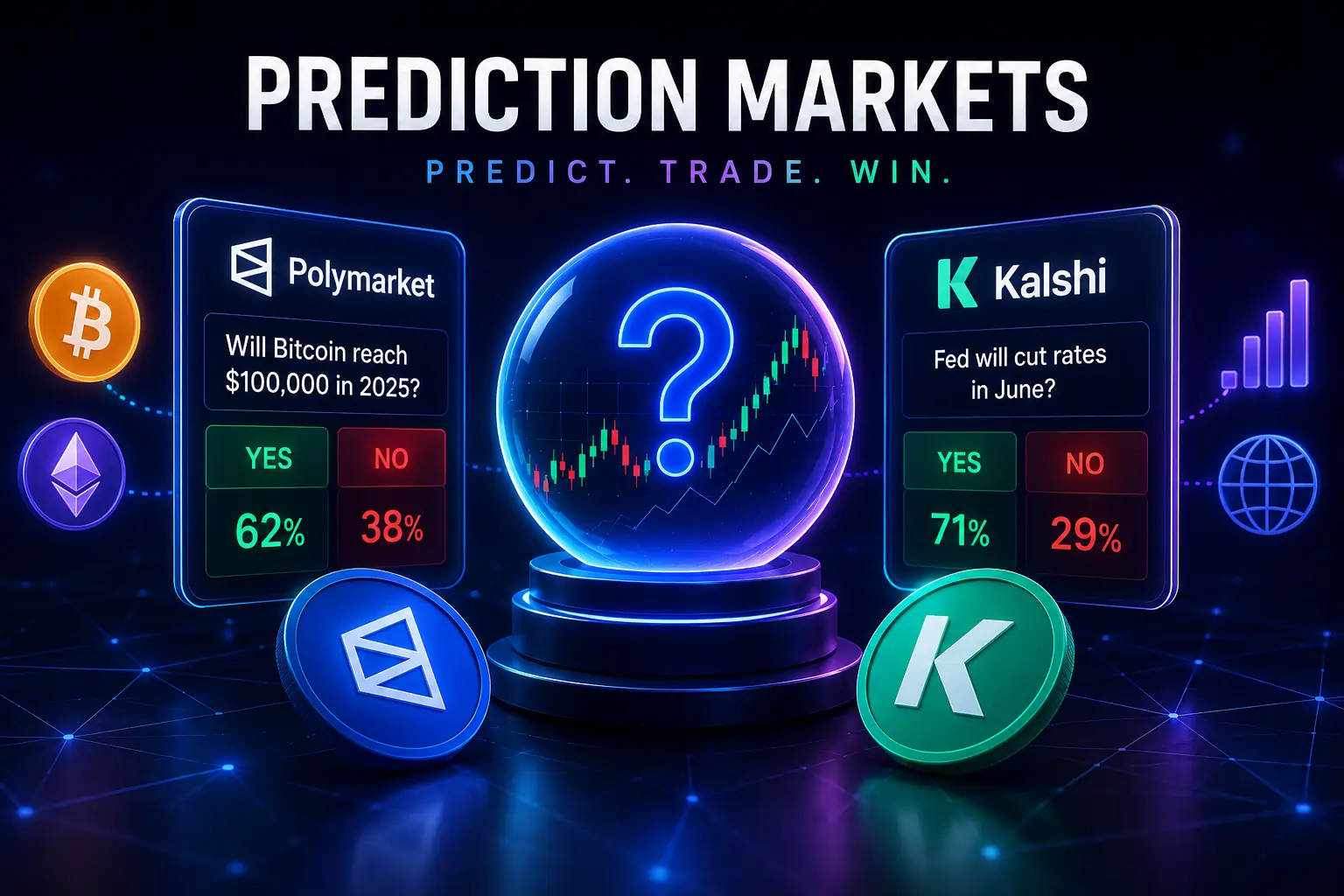
أسواق التنبؤ في الكريبتو هي منصات يتداول فيها المستخدمون على نتائج أحداث من العالم الحقيقي. فبدلًا من تداول الأصول فقط مثل البيتكوين أو الإيثيريوم، يمكن للمستخدمين التداول في أسواق مبنية على أسئلة مثل: هل سيصل البيتكوين إلى سعر معيّن؟ من سيفوز في الانتخابات؟ هل سينخفض التضخم؟ هل سيفوز فريق رياضي؟ بعبارة بسيطة، تحوّل أسواق التنبؤ الأحداث المستقبلية إلى أسواق قابلة للتداول. فإذا كنت تعتقد أن حدثًا ما من المرجّح وقوعه، يمكنك شراء أسهم «نعم». وإذا كنت تعتقد أنه غير مرجّح، يمكنك شراء أسهم «لا» أو اتخاذ الجانب المعاكس، بحسب المنصة. لقد جعلت منصات مثل Polymarket وKalshi أسواق التنبؤ أكثر شيوعًا من خلال الجمع بين التداول والأخبار والاحتمالات وأحداث العالم الحقيقي. يرى بعض الناس فيها مستقبل التنبؤ، بينما يراها آخرون محفوفة بالمخاطر ومثيرة للجدل وقريبة من المقامرة.
لماذا تلقى أسواق التنبؤ رواجًا
أصبحت أسواق التنبؤ واحدة من أكثر المواضيع رواجًا في الكريبتو والتمويل لأنها تقدّم شيئًا لا تقدّمه الأسواق التقليدية في كثير من الأحيان: تعرّضًا مباشرًا لنتائج العالم الحقيقي. ففي الأسواق المالية العادية، يشتري المتداولون الأسهم أو الكريبتو أو السلع أو المشتقات. وقد تتأثر هذه الأصول بالسياسة وأسعار الفائدة والانتخابات والرياضة والطقس أو البيانات الاقتصادية، لكنها ليست دائمًا رهانات مباشرة على تلك الأحداث. أما أسواق التنبؤ فتجعل الحدث نفسه هو السوق. على سبيل المثال، بدلًا من تخمين كيف قد تؤثر الانتخابات على البيتكوين، يمكن للمستخدمين التداول في سوق مرتبط مباشرة بنتيجة الانتخابات. وبدلًا من قراءة آراء المحللين حول التضخم، يمكن للمستخدمين رؤية ما يسعّره المتداولون في عقد حدث متعلق بالتضخم. يخلق هذا نوعًا جديدًا من أنظمة المعلومات المالية. فقد تعمل الأسعار كتقديرات احتمالية حيّة، يحدّثها أشخاص يضعون أموالهم خلف آرائهم.
كيف تعمل أسواق التنبؤ؟
تُبنى معظم أسواق التنبؤ حول أسئلة بسيطة قائمة على الأحداث. على سبيل المثال: هل سيصل البيتكوين إلى 100,000 دولار قبل نهاية العام؟ قد يطرح السوق نتيجتين: نعم أو لا. فإذا تداولت أسهم «نعم» عند 60 سنتًا، فإن السوق يشير تقريبًا إلى احتمال ضمني بنسبة 60% لوقوع الحدث. وإذا وقع الحدث، تُسوّى أسهم «نعم» عند دولار واحد. وإذا لم يقع، تُسوّى عند صفر دولار. هذا يجعل أسواق التنبؤ سهلة الفهم على المستوى الأساسي. فالسعر ليس مجرد سعر، بل هو أيضًا إشارة احتمالية. لكن هذا لا يعني أن السوق محقّ دائمًا. فقد تتأثر أسواق التنبؤ بالسيولة والضجيج والتلاعب والمعلومات الداخلية والرسوم وقواعد المنصة والتداول العاطفي. سوق التنبؤ ليس كرة بلورية، بل هو سوق حيّ يتداول فيه الناس قناعاتهم.
ما هي Polymarket؟
تُعد Polymarket واحدة من أشهر منصات أسواق التنبؤ في الكريبتو. فهي تتيح للمستخدمين التداول على نتائج العالم الحقيقي عبر فئات مثل الكريبتو والسياسة والرياضة والأعمال والثقافة والأحداث العالمية. غالبًا ما توصف Polymarket بأنها أصيلة في عالم الكريبتو (crypto-native) لأنها تستخدم بنية تحتية قائمة على البلوكشين والتداول المبني على العملات المستقرة. وهي شائعة بين مستخدمي الكريبتو لأنها تبدو أقرب إلى Web3 من منصات الرهان أو المنصات المالية التقليدية. من أكبر نقاط قوة Polymarket قدرتها على عكس المشاعر العامة السريعة التغيّر. فعندما تظهر أخبار كبرى، يمكن أن تتغيّر احتمالات Polymarket بسرعة. وهذا يجعل المنصة مفيدة ليس فقط للمتداولين، بل أيضًا لمن يريدون فهم كيفية تسعير السوق لحالة عدم اليقين. لكن Polymarket تواجه أيضًا تساؤلات تنظيمية في بعض الولايات القضائية. ويجب على المستخدمين دائمًا التحقق مما إذا كانت المنصة متاحة وقانونية في بلدانهم قبل المشاركة.
ما هي Kalshi؟
Kalshi هي منصة لأسواق التنبؤ وعقود الأحداث تركّز بشكل كبير على الامتثال التنظيمي. فهي تتيح للمستخدمين التداول على أحداث العالم الحقيقي من خلال عقود الأحداث. غالبًا ما تُذكر Kalshi إلى جانب Polymarket، لكن المنصتين ليستا متطابقتين. فقد وضعت Kalshi نفسها كمنصة منظَّمة، خاصة في الولايات المتحدة، بينما ترتبط Polymarket بشكل أقوى بأسواق التنبؤ الأصيلة في عالم الكريبتو. يمكن أن تغطي أسواق Kalshi مواضيع مثل الاقتصاد والسياسة والطقس والرياضة والكريبتو والأحداث العامة. وتجعل بنية المنصة جاذبة للمستخدمين الذين يريدون التعرّض لأسواق التنبؤ ضمن إطار أكثر تنظيمًا. تتمثّل الميزة الرئيسية لـ Kalshi في نموذجها المرتكز على الامتثال. أما التحدي الرئيسي فهو أن التنظيم قد يحدّ من الأسواق المتاحة ومن كيفية تداول المستخدمين لها.
Polymarket مقابل Kalshi: ما الفرق؟
تتيح كلتا منصتي Polymarket وKalshi للمستخدمين التداول على أحداث العالم الحقيقي، لكنهما تختلفان في البنية والجمهور والنهج التنظيمي.
| الميزة | Polymarket | Kalshi |
|---|---|---|
| الهوية الرئيسية | سوق تنبؤ أصيل في عالم الكريبتو | بورصة عقود أحداث منظَّمة |
| المستخدمون الشائعون | متداولو الكريبتو، متابعو الأخبار، مستخدمون عالميون | متداولو الأحداث من الأفراد والمؤسسات |
| البنية التحتية | قائمة على البلوكشين ومركّزة على Web3 | مركّزة على الامتثال والبورصة المنظَّمة |
| أنواع الأسواق | الكريبتو، السياسة، الرياضة، الثقافة، الأحداث العالمية | الاقتصاد، السياسة، الطقس، الكريبتو، الأحداث العامة |
| نقطة القوة الرئيسية | مشاعر سوقية سريعة وأصيلة في عالم الكريبتو | إطار منظَّم لتداول الأحداث |
| الخطر الرئيسي | مخاوف تتعلق بالولاية القضائية وإمكانية الوصول | قيود تنظيمية وقيود على الأسواق |
تعتمد أفضل منصة على موقع المستخدم وأهدافه ومدى تحمّله للمخاطر وإمكانية الوصول القانوني.
هل أسواق التنبؤ مثل المقامرة؟
هذا أحد أكثر الأسئلة شيوعًا. قد تبدو أسواق التنبؤ والمقامرة متشابهتين لأن كلتيهما تنطويان على نتائج غير مؤكدة. لكن أسواق التنبؤ تُصمَّم غالبًا كأسواق معلومات قابلة للتداول، بينما تركّز المقامرة عادةً على الترفيه أو المراهنة ضد وكيل رهان. في أسواق التنبؤ، يتداول المستخدمون مع بعضهم البعض، ويمكن أن توفّر أسعار السوق معلومات عامة مفيدة. فعلى سبيل المثال، قد يُظهر سعر السوق مدى احتمالية ما يعتقده المتداولون بشأن نتيجة انتخابات أو قرار بشأن سعر الفائدة أو هدف سعري للكريبتو. ومع ذلك، قد يكون الخط الفاصل غير واضح. فبعض أسواق التنبؤ قد تُعامَل قانونيًا كمقامرة في بلدان معيّنة، بينما قد تُعامَل أخرى كمشتقات أو عقود أحداث أو منتجات مالية منظَّمة. بالنسبة للمبتدئين، فإن الإجابة الأكثر أمانًا هي: يمكن أن تكون أسواق التنبؤ أدوات تنبؤ مفيدة، لكنها تحمل أيضًا مخاطر مالية وقانونية.
لماذا يحب المتداولون أسواق التنبؤ
تُعد أسواق التنبؤ جذّابة لأنها بسيطة ومباشرة وقائمة على الأحداث. قد يحتاج متداول الأسهم إلى تحليل أرباح الشركات وأسعار الفائدة ومشاعر السوق والظروف الكلية. وقد يحتاج متداول الكريبتو إلى تحليل الرسوم البيانية والسيولة والروايات والتقلّبات. أما متداول سوق التنبؤ فيمكنه التركيز على سؤال واحد: هل سيقع هذا الحدث أم لا؟ كما يحب المتداولون أسواق التنبؤ لأنها تحوّل المعلومات إلى فرصة. فإذا اعتقد مستخدم أن السوق يقلّل من تقدير نتيجة ما، يمكنه اتخاذ مركز. على سبيل المثال، إذا منح السوق حدثًا فرصة بنسبة 30%، لكن المتداول يعتقد أن الاحتمال الحقيقي أقرب إلى 50%، فقد يرى ذلك المتداول فرصة. كما أن أسواق التنبؤ مفيدة للتحوّط. فقد تستخدم شركة أو مستثمر أو محلل عقود الأحداث لتقليل التعرّض لنتائج محددة، مثل نتائج الانتخابات أو الأحداث المناخية أو البيانات الاقتصادية أو تحرّكات سوق الكريبتو.
لماذا تهمّ أسواق التنبؤ للكريبتو
تهمّ أسواق التنبؤ في الكريبتو لأنها توسّع ما يمكن لمنصات الكريبتو تداوله. فبدلًا من تداول العملات والتوكنات والعقود الآجلة وNFTs فقط، يمكن لمستخدمي الكريبتو تداول معلومات العالم الحقيقي. ويتلاءم هذا بشكل طبيعي مع الكريبتو لأن أسواق البلوكشين عالمية وسريعة وشفافة ومفتوحة على مدار الساعة. كما ترتبط أسواق التنبؤ باتجاهات أخرى في الكريبتو:
- العملات المستقرة: تستخدم العديد من الأسواق العملات المستقرة للتسوية.
- DeFi: يمكن أن تصبح أسواق التنبؤ جزءًا من التمويل اللامركزي.
- وكلاء الذكاء الاصطناعي: قد تستخدم أنظمة الذكاء الاصطناعي أسواق التنبؤ لاختبار التوقعات أو تداول المعلومات.
- البيانات على السلسلة: يمكن أن يجعل البلوكشين التسوية ونشاط السوق أكثر شفافية.
- الأصول من العالم الحقيقي: تخلق نتائج الأحداث جسرًا آخر بين الكريبتو والاقتصاد الحقيقي.
لهذا غالبًا ما يُنظر إلى أسواق التنبؤ على أنها واحدة من أكثر القطاعات إثارة للاهتمام في تداول الكريبتو.
مخاطر أسواق التنبؤ في الكريبتو
أسواق التنبؤ مثيرة، لكنها ليست خالية من المخاطر. الخطر الأول هو خسارة المال. فإذا كان تنبؤك خاطئًا، فقد يُسوّى مركزك عند الصفر. الخطر الثاني هو السيولة. فبعض الأسواق قد لا تضمّ عددًا كافيًا من المتداولين النشطين، مما يجعل من الصعب الدخول أو الخروج بسعر عادل. الخطر الثالث هو عدم اليقين القانوني. فأسواق التنبؤ تُعامَل بشكل مختلف بين البلدان. وقد تقيّد بعض الولايات القضائية الوصول إليها أو تحظره. الخطر الرابع هو التلاعب. فالأسواق ذات السيولة المنخفضة يمكن أن يحرّكها كبار المتداولين. الخطر الخامس هو المعلومات الداخلية. فبعض الأحداث قد تتأثر بأشخاص لديهم معرفة خاصة، خاصة في السياسة أو الأعمال أو الرياضة أو الأحداث المؤسسية. الخطر السادس هو نزاعات التسوية. فيجب أن تكون النتيجة النهائية محدّدة بوضوح. وإذا كان السؤال مكتوبًا بشكل سيّئ، فقد يختلف المستخدمون حول كيفية تسويته. الخطر السابع هو التداول العاطفي. ولأن أسواق التنبؤ مرتبطة بالأخبار والآراء، فقد يتداول المستخدمون بناءً على التحيّز بدلًا من الاحتمال.
هل أسواق التنبؤ مناسبة للمبتدئين؟
أسواق التنبؤ سهلة الفهم على المستوى السطحي، لكن التداول فيها بإتقان قد يكون صعبًا. قد يفهم المبتدئ السؤال، لكنه يفشل مع ذلك في تسعير الاحتمال بشكل صحيح. فعلى سبيل المثال، احتمال بنسبة 70% لا يعني أن شيئًا ما مضمون. فهو لا يزال يعني أن الحدث قد يفشل في 30% من الحالات. ينبغي للمبتدئين أن يبدؤوا بمراقبة الأسواق قبل التداول. وعليهم تعلّم كيف تتحرّك الأسعار، وكيف تعمل التسوية، وكيف تؤثر السيولة على التنفيذ، وكيف تؤثر الرسوم على العوائد. من القواعد المفيدة للمبتدئين:
لا تتداول بناءً على ما تتمنّى حدوثه. تداول فقط إذا كنت تفهم الاحتمال والمخاطر وقواعد التسوية.
هل تمثّل Polymarket وKalshi مستقبل التداول؟
قد لا تحلّ Polymarket وKalshi محل التداول التقليدي، لكنهما قد تصبحان جزءًا مهمًا من النظام المالي المستقبلي. فالأسواق التقليدية مبنية حول الأصول، بينما أسواق التنبؤ مبنية حول النتائج. وهذا الاختلاف قوي. في المستقبل، قد يستخدم المتداولون أسواق التنبؤ للتداول على الانتخابات والتضخم وقرارات البنوك المركزية وإنجازات الكريبتو والنتائج الرياضية والأحداث المناخية ونتائج الأعمال. وقد تستخدمها المؤسسات للتحوّط والبحث والتنبؤ الاحتمالي. وقد تستخدمها الشركات الإعلامية لعرض توقعات السوق في الوقت الحقيقي. لكن النمو يعتمد على التنظيم ونزاهة السوق والسيولة وحماية المستخدم والثقة العامة. تمتلك أسواق التنبؤ إمكانات حقيقية، لكنها تحتاج أيضًا إلى قواعد قوية لمنع التلاعب والتداول بناءً على المعلومات الداخلية والمعلومات المضللة والمضاربة غير المسؤولة.
أفكار ختامية
تُعد أسواق التنبؤ في الكريبتو واحدة من أكثر الاتجاهات إثارة للاهتمام في التداول اليوم. فهي تجمع بين التمويل والتنبؤ والأخبار والكريبتو وذكاء الحشود في بنية سوق واحدة. تُظهر Polymarket قوة أسواق الأحداث الأصيلة في عالم الكريبتو، بينما تُظهر Kalshi كيف يمكن لتداول الأحداث المنظَّم أن يقرّب أسواق التنبؤ من التمويل السائد. الفرصة واضحة: يمكن لأسواق التنبؤ أن تحوّل عدم اليقين إلى معلومات قابلة للتداول. فهي يمكن أن تساعد المستخدمين على رؤية ما يعتقده الحشد، والتحوّط ضد مخاطر الأحداث، والمشاركة في أسواق نتائج العالم الحقيقي. لكن المخاطر واضحة أيضًا. فأسواق التنبؤ يمكن أن تكون مضاربية ومعقّدة قانونيًا وعرضة للتلاعب أو المعلومات الداخلية. بالنسبة للمبتدئين، فإن الدرس الأهم بسيط: أسواق التنبؤ ليست مجرد تخمين للمستقبل، بل هي تسعير للاحتمال. وإذا فهم المستخدمون هذا الفرق، فقد تصبح أسواق التنبؤ واحدة من أهم ابتكارات التداول في العقد القادم.
Frequently asked questions
ما هو سوق التنبؤ في الكريبتو؟
سوق التنبؤ في الكريبتو هو منصة يتداول فيها المستخدمون على نتائج أحداث مستقبلية باستخدام الكريبتو أو بنية تحتية قائمة على البلوكشين.
كيف تعمل Polymarket؟
تتيح Polymarket للمستخدمين تداول أسهم مبنية على نتائج أحداث من العالم الحقيقي. ويمكن لأسعار السوق أن تعكس الاحتمال المقدَّر لدى الحشد لوقوع حدث ما.
ما هي Kalshi؟
Kalshi هي بورصة عقود أحداث منظَّمة يمكن للمستخدمين فيها التداول على نتائج أحداث من العالم الحقيقي.
هل أسواق التنبؤ مقامرة؟
قد تشبه أسواق التنبؤ المقامرة، لكنها غالبًا ما تُصمَّم كأسواق معلومات أو أسواق عقود أحداث. وتعتمد المعاملة القانونية على البلد وبنية المنصة.
هل أسواق التنبؤ في الكريبتو محفوفة بالمخاطر؟
نعم. تشمل المخاطر خسارة المال والسيولة المنخفضة وعدم اليقين القانوني والتلاعب والتداول بناءً على المعلومات الداخلية وقواعد التسوية غير الواضحة.
هل تمثّل Polymarket وKalshi مستقبل التداول؟
قد تصبحان جزءًا مهمًا من التداول، خاصة للأسواق القائمة على الأحداث، لكن مستقبلهما يعتمد على التنظيم والسيولة والثقة وتبنّي المستخدمين.
آخر مقال
 06 Sep, 2026
How to Build a Crypto Options Trading Platform
 05 Sep, 2026
How to Launch a Crypto Prop Trading Platform
 03 Sep, 2026
How to Scale a Crypto Exchange for High Trading Volume
 02 Sep, 2026
How to Design a Crypto Exchange Fee Structure
 01 Sep, 2026
Market Makers vs Liquidity Providers: What Is the Difference?
Build with Javizen.
Planning an exchange, token or blockchain product? Talk to our team and turn the ideas in this article into a launch-ready platform.