
شرح لائحة MiCA: لماذا قد تغيّر قواعد أوروبا الجديدة للعملات المشفّرة منصّات التداول إلى الأبد
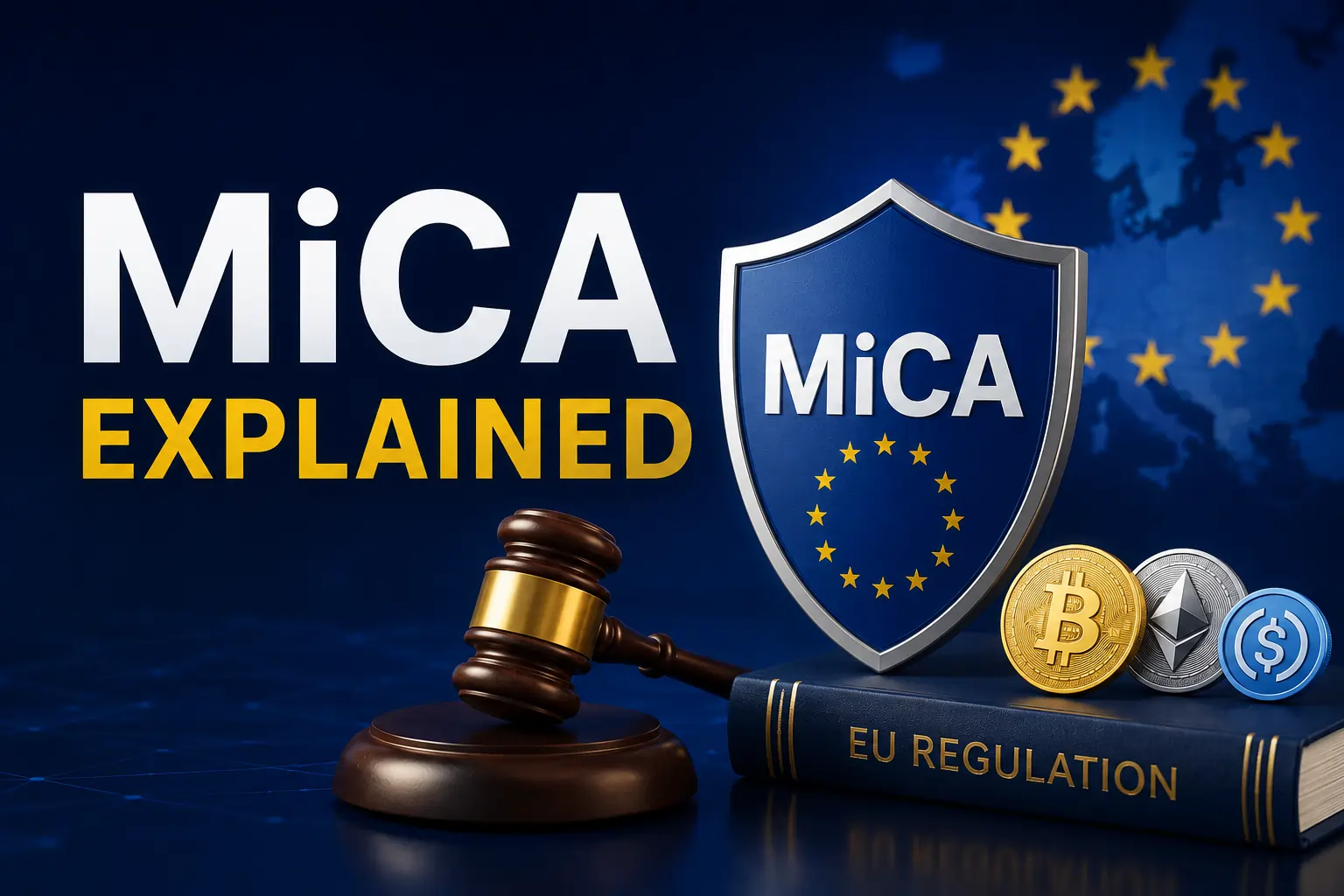
ما هي لائحة MiCA؟
تشير MiCA إلى لائحة أسواق الأصول المشفّرة (Markets in Crypto-Assets Regulation). وهي اللائحة التنظيمية الرئيسية للاتحاد الأوروبي الخاصّة بالعملات المشفّرة، والمصمّمة لوضع قواعد واضحة للأصول المشفّرة والعملات المستقرّة ومنصّات تداول العملات المشفّرة ومزوّدي المحافظ وغيرهم من مزوّدي خدمات العملات المشفّرة في أنحاء الاتحاد الأوروبي. بكلمات بسيطة، تُعدّ MiCA محاولة أوروبا لنقل العملات المشفّرة من سوق خفيف التنظيم إلى قطاع مالي أكثر احترافية ومرخَّص وخاضع للإشراف. بالنسبة للمستخدمين، قد تعني MiCA مزيداً من الشفافية وحمايةً أقوى للمستهلك وقواعد أوضح بشأن المنصّات والعملات المستقرّة. أمّا بالنسبة لشركات العملات المشفّرة، فهي تعني معايير امتثال أعلى ومتطلّبات ترخيص ومسؤولية أكبر. تكتسب MiCA أهمّية خاصّة بالنسبة لمنصّات تداول العملات المشفّرة لأنّها قد تحدّد أيّ المنصّات يُسمح لها قانونياً بخدمة مستخدمي الاتحاد الأوروبي.
لماذا تكتسب MiCA أهمّيتها الآن
أصبح تنظيم العملات المشفّرة أحد أكبر الموضوعات في القطاع. فبعد سنوات من انهيار المنصّات وعمليات الاختراق وعمليات الاحتيال والمخاوف المتعلّقة بالعملات المستقرّة وغياب وضوح القواعد، تحاول الحكومات إخضاع منصّات العملات المشفّرة لإشراف أقوى. تتحرّك أوروبا بوتيرة أسرع من العديد من المناطق الأخرى. فبدلاً من أن تضع كلّ دولة قواعد منفصلة تماماً، تنشئ MiCA إطاراً أكثر توحيداً للاتحاد الأوروبي. ويُعدّ هذا أمراً مهمّاً لأنّ الاتحاد الأوروبي يُعدّ أحد أكبر الأسواق المالية في العالم. فإذا أرادت إحدى منصّات العملات المشفّرة خدمة المستخدمين في أنحاء أوروبا، فقد تصبح MiCA إحدى أهمّ البوّابات التنظيمية. ولا تتعلّق MiCA بإيقاف الجهات السيّئة فحسب، بل تتعلّق أيضاً ببناء الثقة. فقد يساعد وجود إطار قانوني أوضح البنوك وشركات التكنولوجيا المالية والمؤسّسات وشركات العملات المشفّرة الجادّة على دخول السوق بثقة أكبر.
ماذا تشمل لائحة MiCA؟
تشمل MiCA العديد من الأصول المشفّرة وخدمات العملات المشفّرة التي لم تكن خاضعة بالفعل للتنظيم بموجب القوانين المالية القائمة في الاتحاد الأوروبي. وتتضمّن قواعد لما يلي:
- جهات إصدار الأصول المشفّرة
- جهات إصدار العملات المستقرّة
- منصّات تداول العملات المشفّرة
- مزوّدو خدمات الحفظ والمحافظ
- منصّات تداول العملات المشفّرة
- خدمات تحويل العملات المشفّرة
- خدمات الاستشارات المتعلّقة بالعملات المشفّرة
- منع التلاعب بالسوق
- الإفصاح في الورقة البيضاء
- حماية المستهلك
- الترخيص والإشراف
من أهمّ جوانب MiCA أنّ على مزوّدي خدمات الأصول المشفّرة الحصول على ترخيص إذا أرادوا تقديم خدماتهم قانونياً في الاتحاد الأوروبي. ويُطلق على هؤلاء المزوّدين غالباً اسم CASPs، أو مزوّدو خدمات الأصول المشفّرة (Crypto-Asset Service Providers).
ما هو ترخيص CASP؟
ترخيص CASP هو التصريح الذي تحتاجه شركة العملات المشفّرة بموجب MiCA لتقديم خدمات الأصول المشفّرة في الاتحاد الأوروبي. قد يشمل CASP منصّة تداول عملات مشفّرة أو مزوّد محافظ أو وسيطاً أو منصّة تداول أو شركة تقدّم خدمات حفظ وتحويل العملات المشفّرة. وبموجب MiCA، فإنّ الشركة التي تحصل على ترخيص في إحدى الدول الأعضاء في الاتحاد الأوروبي قد تتمكّن من استخدام حقوق "جواز المرور" (passporting) لخدمة المستخدمين في أنحاء سوق الاتحاد الأوروبي الأوسع. وهذا أمر قوي لأنّه قد يحوّل ترخيصاً وطنياً واحداً إلى وصول أوروبي أوسع. وبالنسبة لمنصّات تداول العملات المشفّرة، يُعدّ هذا تغييراً كبيراً. ففي الماضي، كانت العديد من المنصّات تعمل من خلال تسجيلات مختلفة أو تصاريح محلّية أو هياكل تنظيمية أكثر محدودية. أمّا MiCA فترفع المعيار وتنشئ بيئة ترخيص أكثر رسمية. وقد يفصل هذا بين المنصّات الجادّة والممتثلة وتلك التي لا تستطيع تلبية المتطلّبات الجديدة.
لماذا قد تغيّر MiCA منصّات تداول العملات المشفّرة إلى الأبد
قد تغيّر MiCA منصّات تداول العملات المشفّرة بعدّة طرق رئيسية. أولاً، ستحتاج المنصّات إلى أنظمة امتثال أقوى. إذ يجب أن تثبت قدرتها على تلبية معايير الاتحاد الأوروبي الخاصّة بالحوكمة والشفافية وحماية المستخدم والمرونة التشغيلية. ثانياً، قد تحتاج المنصّات إلى تحسين طريقة إبلاغها عن المخاطر. فينبغي أن يحصل المستخدمون على معلومات أوضح عن الأصول المشفّرة ومخاطر التداول والرسوم والحفظ ومسؤوليات المنصّة. ثالثاً، قد تواجه المنصّات قواعد أكثر صرامة بشأن إدراج الرموز. فقد تحتاج المنصّات إلى عناية واجبة أفضل قبل عرض الأصول على المستخدمين. رابعاً، قد يصبح دعم العملات المستقرّة أكثر تعقيداً. فيجب على المنصّات أن تأخذ في الاعتبار ما إذا كانت العملات المستقرّة تفي بمتطلّبات الاتحاد الأوروبي قبل إدراجها أو الترويج لها. خامساً، قد تُجبَر المنصّات غير المرخَّصة على التوقّف عن خدمة مستخدمي الاتحاد الأوروبي. وهذا أحد أكبر التغييرات لأنّه يؤثّر على الوصول إلى السوق مباشرة. تحوّل MiCA السؤال من "هل تستطيع المنصّة جذب المستخدمين؟" إلى "هل تستطيع المنصّة العمل بشكل قانوني ومسؤول على نطاق واسع؟"
MiCA والعملات المستقرّة
تُعدّ العملات المستقرّة أحد أهمّ جوانب MiCA. العملات المستقرّة هي أصول مشفّرة مصمّمة للحفاظ على قيمة ثابتة، وغالباً ما تكون مرتبطة بعملة ورقية مثل اليورو أو الدولار الأمريكي. ونظراً لاستخدام العملات المستقرّة على نطاق واسع في التداول والمدفوعات والتمويل اللامركزي (DeFi)، تولي الجهات التنظيمية اهتماماً كبيراً بها. تنشئ MiCA قواعد محدّدة لأنواع مختلفة من الأصول الشبيهة بالعملات المستقرّة، بما في ذلك الرموز المرجعية للأصول (asset-referenced tokens) ورموز النقود الإلكترونية (e-money tokens). ويتمثّل الهدف في ضمان أن تمتلك جهات إصدار العملات المستقرّة احتياطيات مناسبة وقواعد استرداد واضحة وشفافية وإشرافاً. وبالنسبة للمستخدمين، قد يقلّل هذا من بعض المخاطر المرتبطة بغموض الغطاء أو ضعف إدارة الاحتياطيات. أمّا بالنسبة للمنصّات، فهذا يعني أنّ إدراج العملات المستقرّة قد يتطلّب مراجعة قانونية وامتثالية أدقّ. وقد تواجه العملات المستقرّة التي لا تفي بتوقّعات الاتحاد الأوروبي قيوداً في السوق الأوروبية.
ماذا تعني MiCA لمستخدمي العملات المشفّرة
بالنسبة لمستخدمي العملات المشفّرة العاديين، قد تجلب MiCA منافع وقيوداً على حدّ سواء. المنفعة الرئيسية هي الحماية. فقد يحصل المستخدمون على مزيد من الشفافية بشأن المنصّات والرموز والحفظ والمخاطر. وقد تتحمّل المنصّات المنظّمة مسؤوليات أكبر تجاه عملائها. كما قد تقلّل MiCA من عدد المنصّات المشبوهة العاملة في أوروبا. فإذا لم تستطع منصّة ما تلبية معايير الامتثال الأساسية، فقد تفقد إمكانية الوصول إلى السوق. ومع ذلك، قد يواجه المستخدمون أيضاً قيوداً. فقد تصبح بعض الخدمات أو الرموز أو العملات المستقرّة أو المنتجات عالية المخاطر غير متاحة بحسب التفسير التنظيمي وقرارات المنصّات. وعلى المدى القصير، قد يشهد المستخدمون تغييرات مثل إشعارات نقل الحسابات وشروط محدّثة ومتطلّبات جديدة للتحقّق من الهوية (KYC) وخدمات مقيّدة أو خروج المنصّات من أسواق معيّنة. وعلى المدى الطويل، قد تنشئ MiCA بيئة عملات مشفّرة أكثر نضجاً يمكن فيها للمستخدمين فهم أيّ المنصّات مرخَّصة بشكل صحيح بصورة أفضل.
ماذا تعني MiCA لمنصّات تداول العملات المشفّرة
بالنسبة لمنصّات تداول العملات المشفّرة، تنشئ MiCA بيئة تنافسية جديدة. فالمنصّات الكبيرة عليها الآن أن تثبت قدرتها على العمل كشركات مالية جادّة. وهذا يعني حوكمة قوية وحماية للمستخدم وفرق امتثال وسياسات شفّافة وضوابط تشغيلية واضحة. وقد تواجه المنصّات الأصغر صعوبة في تحمّل تكلفة الامتثال. فالترخيص والأعمال القانونية وإعداد التقارير والأمن والضوابط الداخلية والتواصل التنظيمي قد تكون مكلفة. وقد يؤدّي هذا إلى اندماجات في القطاع. فقد تكتسب المنصّات الأقوى حصّة سوقية أكبر، بينما قد تغادر المنصّات الأضعف الاتحاد الأوروبي أو تتشارك مع مزوّدين مرخَّصين. كما قد تشجّع MiCA مزيداً من الشركات المالية التقليدية على دخول مجال العملات المشفّرة. فقد تشعر البنوك وشركات التكنولوجيا المالية براحة أكبر في تقديم خدمات العملات المشفّرة عندما تكون القواعد أوضح. بعبارة أخرى، قد تجعل MiCA العملات المشفّرة أكثر مؤسّسية.
مثال Binance: لماذا تُعدّ MiCA أمراً بالغ الأهمّية
يُظهر موقف Binance سبب أهمّية MiCA. تُعدّ Binance إحدى أكبر منصّات تداول العملات المشفّرة في العالم. فإذا واجهت منصّة بهذا الحجم صعوبة في الحصول على ترخيص على مستوى الاتحاد الأوروبي، فإنّ ذلك يبعث رسالة قوية إلى السوق: MiCA ليست مجرّد أوراق إجرائية. فالجهات التنظيمية لا تتحقّق فقط ممّا إذا كانت الشركة تمتلك مستخدمين أو حجم تداول. بل تنظر إلى الحوكمة وسجلّ الامتثال وضوابط المخاطر والهيكل القانوني وما إذا كانت الشركة تفي بالمعايير المتوقّعة بموجب قانون الاتحاد الأوروبي. وبالنسبة للمستخدمين، يعني هذا أنّ حتى منصّات التداول العالمية الكبرى قد تغيّر خدماتها أو تنقل عملاءها أو تفقد إمكانية الوصول في مناطق معيّنة. وبالنسبة للمنافسين، يخلق هذا فرصة. فقد تصبح المنصّات المرخَّصة والممتثلة أكثر جاذبية للمستخدمين الأوروبيين. أمّا بالنسبة لقطاع العملات المشفّرة الأوسع، فالرسالة واضحة: أصبح الجاهزية التنظيمية ميزة تجارية أساسية.
منافع MiCA
تنطوي MiCA على عدّة منافع محتملة لسوق العملات المشفّرة.
1. قواعد أوضح
أصبح لدى شركات العملات المشفّرة أخيراً إطار أكثر تحديداً للعمل في الاتحاد الأوروبي.
2. حماية أفضل للمستهلك
قد يحصل المستخدمون على معلومات أوضح عن المخاطر والرسوم والحفظ والأصول المشفّرة.
3. ثقة مؤسّسية أكبر
قد تصبح البنوك وشركات التكنولوجيا المالية ومديرو الأصول أكثر استعداداً لدخول مجال العملات المشفّرة إذا كانت القواعد أوضح.
4. معايير أقوى للمنصّات
قد تحتاج المنصّات إلى حوكمة وأمن وامتثال وضوابط داخلية أفضل.
5. وصول إلى السوق على مستوى الاتحاد الأوروبي
قد يتمكّن المزوّدون المرخَّصون من خدمة المستخدمين في أنحاء الاتحاد الأوروبي عبر آلية جواز المرور (passporting).
مخاطر MiCA وتحدّياتها
MiCA مهمّة، لكنّها ليست مثالية. التحدّي الأول هو تكلفة الامتثال. فقد تجد الشركات الناشئة الأصغر صعوبة في تحمّل المتطلّبات القانونية والتشغيلية والترخيصية. التحدّي الثاني هو تقليص إمكانية الوصول. فقد تتوقّف بعض المنصّات عن خدمة مستخدمي الاتحاد الأوروبي إذا لم تتمكّن من الحصول على ترخيص. التحدّي الثالث هو الضغط على الابتكار. فإذا كانت القواعد صارمة أو بطيئة أكثر من اللازم، فقد ينتقل بعض نشاط العملات المشفّرة إلى خارج أوروبا. التحدّي الرابع هو التفسير. فقد تطبّق الجهات التنظيمية المختلفة القواعد بطرق مختلفة، لا سيّما خلال الفترة الانتقالية. التحدّي الخامس هو التمويل اللامركزي (DeFi). فالبروتوكولات اللامركزية بالكامل أصعب تنظيماً من المنصّات المركزية، وقد لا تحلّ MiCA كلّ مسألة متعلّقة بالتمويل اللامركزي. لذا، فبينما تجلب MiCA الوضوح، فإنّها تخلق أيضاً تعقيداً جديداً.
هل MiCA جيّدة أم سيّئة للعملات المشفّرة؟
يمكن أن تكون MiCA جيّدة وصعبة في آن واحد للعملات المشفّرة. فهي جيّدة لأنّها قد تقلّل من عمليات الاحتيال وتحسّن معايير المنصّات وتحمي المستخدمين وتساعد الشركات الجادّة على البناء بيقين قانوني. وهي صعبة لأنّها تزيد من تكاليف الامتثال وتقيّد بعض الخدمات وقد تدفع الشركات الأصغر أو الأقلّ استعداداً خارج السوق. وبالنسبة لمستقبل العملات المشفّرة على المدى الطويل، قد يكون التنظيم ضرورياً للتبنّي على نطاق واسع. لكنّ جودة التنظيم مهمّة. فالقواعد الجيّدة يمكن أن تبني الثقة، والقواعد السيّئة يمكن أن تحدّ من الابتكار. تُعدّ MiCA أحد أكبر الاختبارات لما إذا كانت العملات المشفّرة قادرة على أن تصبح قطاعاً مالياً منظّماً دون أن تفقد ريادتها في الابتكار.
أفكار ختامية
تُعدّ MiCA إحدى أهمّ لوائح العملات المشفّرة في العالم. فهي تنشئ كتاب قواعد جديداً للأصول المشفّرة والمنصّات والعملات المستقرّة ومزوّدي الخدمات في الاتحاد الأوروبي. بالنسبة للمستخدمين، قد تجلب MiCA مزيداً من الحماية والشفافية. وبالنسبة للمنصّات، فهي ترفع سقف الامتثال والوصول إلى السوق. وبالنسبة للقطاع، فهي تشير إلى تحوّل من حقبة "الغرب المتوحّش" المبكّرة للعملات المشفّرة نحو سوق أكثر تنظيماً واحترافية. أمّا التغيير الأكبر فبسيط: لم يعد بإمكان منصّات تداول العملات المشفّرة الاعتماد فقط على الشعبية أو السيولة أو الانتشار العالمي. ففي أوروبا، عليها أن تثبت أنّها مرخَّصة وممتثلة وجديرة بالثقة. قد لا تحلّ MiCA كلّ مشكلة في العملات المشفّرة، لكنّها قد تغيّر مستقبل المنصّات إلى الأبد.
Frequently asked questions
ماذا تعني MiCA في مجال العملات المشفّرة؟
تشير MiCA إلى لائحة أسواق الأصول المشفّرة (Markets in Crypto-Assets Regulation). وهي الإطار التنظيمي للاتحاد الأوروبي الخاصّ بالأصول المشفّرة ومزوّدي خدمات الأصول المشفّرة.
ما الغرض من MiCA؟
يتمثّل الغرض من MiCA في وضع قواعد واضحة على مستوى الاتحاد الأوروبي للأصول المشفّرة، وحماية المستخدمين، وتنظيم مزوّدي الخدمات، وتحسين شفافية السوق.
ما هو CASP؟
يشير CASP إلى مزوّد خدمات الأصول المشفّرة (Crypto-Asset Service Provider). ويشمل شركات مثل منصّات تداول العملات المشفّرة ومزوّدي الحفظ ومنصّات التداول ومزوّدي خدمات المحافظ.
هل تؤثّر MiCA على منصّات تداول العملات المشفّرة؟
نعم. فمنصّات تداول العملات المشفّرة التي ترغب في خدمة مستخدمي الاتحاد الأوروبي يجب أن تفي بمتطلّبات MiCA وأن تحصل على الترخيص اللازم.
هل تنظّم MiCA العملات المستقرّة؟
نعم. تتضمّن MiCA قواعد محدّدة للأصول الشبيهة بالعملات المستقرّة، بما في ذلك متطلّبات الاحتياطي والشفافية والاسترداد.
هل يمكن للمنصّات غير المرخَّصة خدمة مستخدمي الاتحاد الأوروبي؟
بعد انتهاء الفترات الانتقالية، قد لا يُسمح لمزوّدي خدمات العملات المشفّرة الذين لا يمتلكون ترخيصاً مناسباً بخدمة عملاء الاتحاد الأوروبي قانونياً.
هل MiCA جيّدة للعملات المشفّرة؟
قد تحسّن MiCA الثقة والشفافية وحماية المستثمر، لكنّها قد تزيد أيضاً من تكاليف الامتثال وتحدّ من الوصول إلى بعض الخدمات.
هل تنطبق MiCA خارج أوروبا؟
MiCA لائحة خاصّة بالاتحاد الأوروبي، لكنّها قد تؤثّر على شركات العملات المشفّرة العالمية التي ترغب في خدمة المستخدمين في الاتحاد الأوروبي.
آخر مقال
 06 Sep, 2026
How to Build a Crypto Options Trading Platform
 05 Sep, 2026
How to Launch a Crypto Prop Trading Platform
 03 Sep, 2026
How to Scale a Crypto Exchange for High Trading Volume
 02 Sep, 2026
How to Design a Crypto Exchange Fee Structure
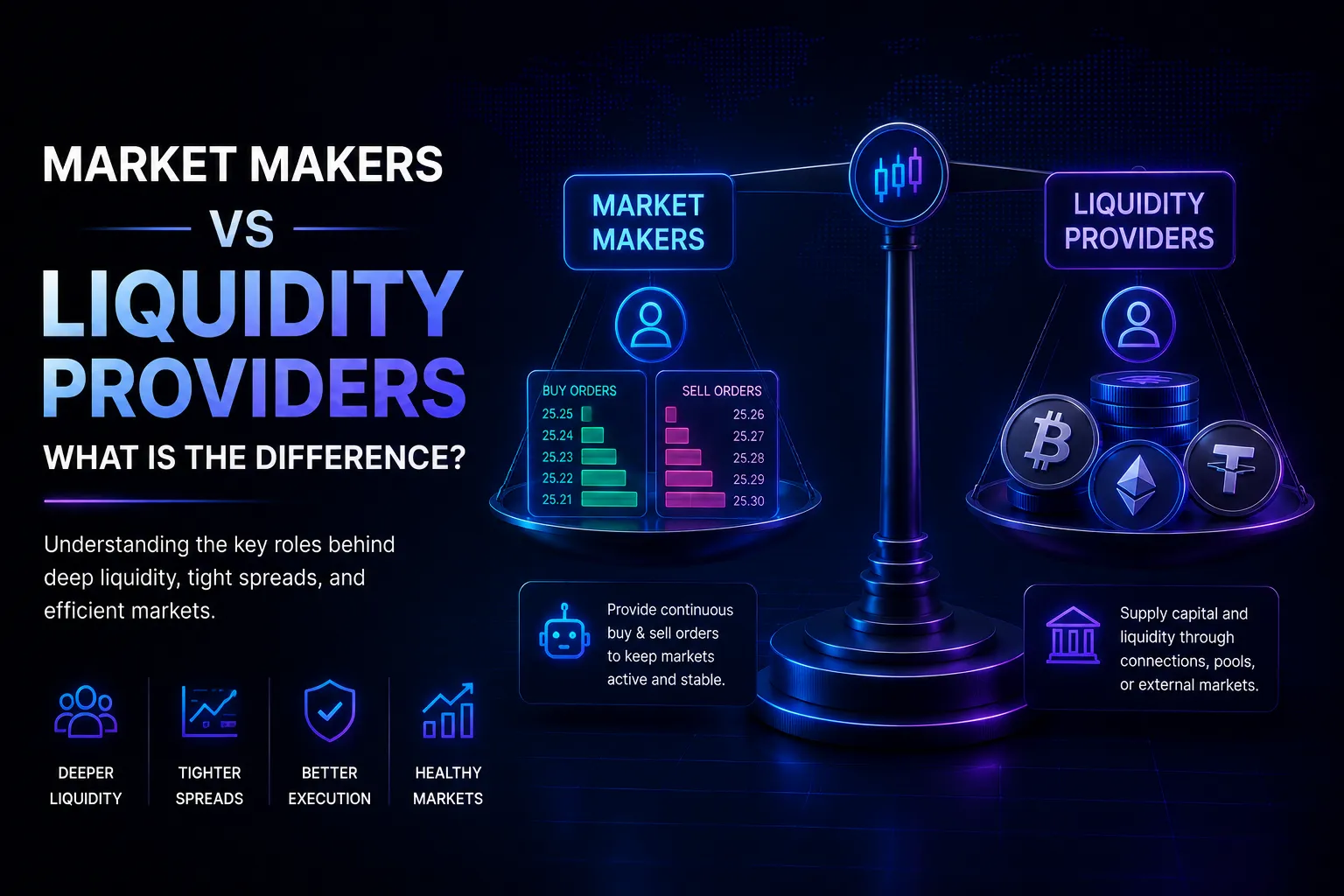 01 Sep, 2026
Market Makers vs Liquidity Providers: What Is the Difference?
Build with Javizen.
Planning an exchange, token or blockchain product? Talk to our team and turn the ideas in this article into a launch-ready platform.