
شرح محافظ العملات الرقمية: المحفظة الساخنة مقابل المحفظة الباردة مقابل محفظة المنصة
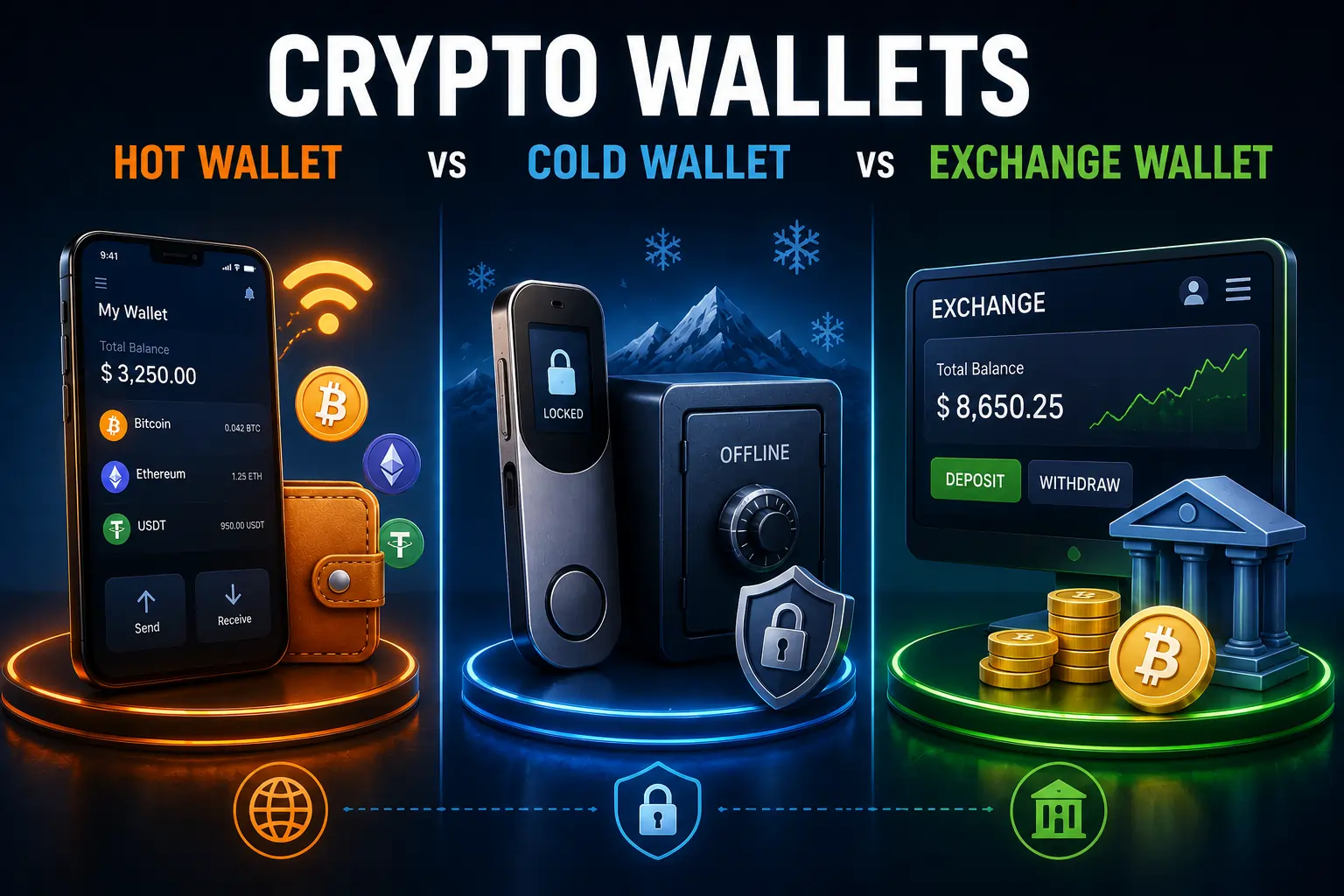
ما هي محفظة العملات الرقمية؟
محفظة العملات الرقمية هي أداة تساعدك على الوصول إلى عملتك الرقمية وإرسالها واستقبالها وإدارتها. وعلى عكس المحفظة المادية، فإنها لا تخزّن العملات بداخلها فعليًا. فعملتك الرقمية موجودة على البلوكتشين. وما تخزّنه المحفظة هو المفاتيح الخاصة أو بيانات الوصول التي تتيح لك التحكم في تلك الأصول. ببساطة، محفظة العملات الرقمية هي بوابتك إلى أصول البلوكتشين. فإذا كنت تمتلك بيتكوين أو إيثيريوم أو USDT أو غيرها من العملات الرقمية، فأنت بحاجة إلى محفظة أو حساب على منصة لإدارتها. أنواع المحافظ الثلاثة الشائعة التي ينبغي للمبتدئين فهمها هي:
- المحافظ الساخنة: متصلة بالإنترنت ومفيدة للنشاط اليومي في العملات الرقمية.
- المحافظ الباردة: تُحفظ دون اتصال بالإنترنت وأفضل للتخزين طويل الأمد.
- محافظ المنصات: توفّرها منصات تداول العملات الرقمية وهي أسهل للمبتدئين، لكنها تُدار من قبل طرف ثالث.
لكل نوع من المحافظ مزاياه ومخاطره وحالات استخدامه المختلفة.
لماذا تُعد محافظ العملات الرقمية مهمة
تمنح العملات الرقمية المستخدمين القدرة على امتلاك الأصول الرقمية وتحويلها دون الاعتماد كليًا على البنوك التقليدية. لكن هذه الحرية تأتي مع مسؤولية. فإذا فقدت الوصول إلى محفظتك، أو أرسلت الأموال إلى عنوان خاطئ، أو كشفت مفتاحك الخاص، فقد يصبح من المستحيل استرداد عملتك الرقمية. لهذا السبب يُعد فهم المحافظ من أهم الخطوات لكل مبتدئ. المحفظة ليست مجرد تطبيق. إنها نقطة الوصول إلى عملتك الرقمية. فهي تساعدك على التفاعل مع شبكات البلوكتشين والتطبيقات اللامركزية ورموز NFT ومنصات التمويل اللامركزي (DeFi) ومنصات التداول. يعتمد اختيار المحفظة المناسبة على طريقة استخدامك للعملات الرقمية. فقد يحتاج المتداول والمستثمر طويل الأمد ومستخدم التمويل اللامركزي والمبتدئ تمامًا إلى إعدادات محافظ مختلفة.
كيف تعمل محفظة العملات الرقمية؟
كل محفظة عملات رقمية مرتبطة بمفهومين مهمين: المفاتيح العامة والمفاتيح الخاصة. العنوان العام يشبه رقم حسابك المصرفي. يمكنك مشاركته مع الآخرين لاستقبال العملات الرقمية. المفتاح الخاص يشبه كلمة المرور التي تتحكم في أموالك. فمن يتحكم في المفتاح الخاص يتحكم في العملة الرقمية. تستخدم العديد من المحافظ أيضًا عبارة استرداد (seed phrase)، وتُسمى أيضًا عبارة الاسترداد. وهي عادةً مجموعة من 12 أو 24 كلمة يمكنها استعادة الوصول إلى محفظتك في حال فُقد جهازك أو تعرّض للتلف. هذه العبارة في غاية الأهمية. يجب ألا تشاركها أبدًا، وألا تخزّنها في التخزين السحابي أبدًا، وألا تدخلها في مواقع غير معروفة أبدًا. فإذا حصل أحدهم على عبارة الاسترداد الخاصة بك، فبإمكانه سرقة أموالك.
ما هي المحفظة الساخنة؟
المحفظة الساخنة هي محفظة عملات رقمية متصلة بالإنترنت. وقد تكون تطبيقًا للهاتف المحمول، أو إضافة للمتصفح، أو محفظة لسطح المكتب، أو محفظة ويب. تحظى المحافظ الساخنة بشعبية لأنها سريعة ومريحة. وهي مفيدة لإرسال العملات الرقمية، واستقبال المدفوعات، واستخدام تطبيقات التمويل اللامركزي، وتداول رموز NFT، أو التفاعل مع منصات البلوكتشين. ومن أمثلة حالات استخدام المحفظة الساخنة:
- إجراء معاملات العملات الرقمية المنتظمة
- الاتصال بمنصات التداول اللامركزية
- استخدام تطبيقات Web3
- إدارة الأرصدة اليومية الصغيرة
- اختبار شبكات البلوكتشين الجديدة
- استقبال مدفوعات العملات الرقمية
الميزة الرئيسية للمحفظة الساخنة هي السهولة. فيمكنك فتح التطبيق، والاتصال بالمنصات، وتحريك الأموال بسرعة. أما العيب الرئيسي فهو الأمان. فلأن المحافظ الساخنة متصلة بالإنترنت، فإنها أكثر عرضة لهجمات التصيّد الاحتيالي، والبرمجيات الخبيثة، والمواقع المزيفة، والعقود الذكية الخبيثة، واختراقات الأجهزة. المحفظة الساخنة مفيدة، لكن لا ينبغي عادةً أن تحتفظ بمحفظتك الرقمية بأكملها فيها.
ما هي المحفظة الباردة؟
المحفظة الباردة هي محفظة تحتفظ بالمفاتيح الخاصة دون اتصال بالإنترنت. وهذا يجعل وصول المخترقين إلى أموالك عن بُعد أصعب بكثير. أكثر أنواع المحافظ الباردة شيوعًا هو المحفظة العتادية (hardware wallet). والمحفظة العتادية هي جهاز مادي مصمم لتخزين المفاتيح الخاصة بأمان. كما يستخدم بعض المستخدمين المحافظ الورقية أو الأجهزة المعزولة عن الشبكة (air-gapped)، رغم أن إدارة هذه الأنواع بأمان قد تكون أصعب. عادةً ما تكون المحافظ الباردة الأفضل للتخزين طويل الأمد. فإذا اشتريت عملة رقمية ولا تخطط لتداولها كثيرًا، فقد توفّر لك المحفظة الباردة حماية أقوى من المحفظة الساخنة. تُستخدم المحافظ الباردة عادةً في:
- تخزين بيتكوين طويل الأمد
- الحيازات الكبيرة من العملات الرقمية
- الأصول التي لا تُتداول بشكل متكرر
- أمان المحفظة الاستثمارية
- تقليل مخاطر الهجمات عبر الإنترنت
الميزة الرئيسية للمحفظة الباردة هي الأمان. فلأن المفتاح الخاص يبقى دون اتصال بالإنترنت، فإنه أقل عرضة للتهديدات الإلكترونية. أما العيب الرئيسي فهو السهولة. فالمحافظ الباردة أبطأ في الاستخدام، وتتطلب إعدادًا دقيقًا، ويمكن أن تُفقد أو تتلف إذا لم تُنسخ احتياطيًا بشكل صحيح. المحفظة الباردة أشبه بخزنة. فهي ليست مصممة للنشاط اليومي المستمر، لكنها مفيدة لحماية الأصول الثمينة.
ما هي محفظة المنصة؟
محفظة المنصة هي محفظة توفّرها منصة تداول مركزية للعملات الرقمية. فعندما تنشئ حسابًا على منصة وتشتري عملة رقمية، تخزّن المنصة عادةً الأصول لك داخل حسابك. هذا هو أسهل نوع من المحافظ للمبتدئين لأنك لا تحتاج إلى إدارة المفاتيح الخاصة مباشرةً. فيمكنك تسجيل الدخول باستخدام بريدك الإلكتروني وكلمة المرور والمصادقة الثنائية. وإذا نسيت كلمة المرور، فقد تساعدك المنصة على استرداد حسابك. تُعد محافظ المنصات مفيدة في:
- شراء العملات الرقمية وبيعها
- التداول السريع
- تحويل العملات التقليدية إلى عملات رقمية
- استخدام ميزات المنصة
- المبتدئون الذين ليسوا مستعدين بعد للحفظ الذاتي
ومع ذلك، فإن محافظ المنصات عادةً ما تكون وصائية (custodial). وهذا يعني أن المنصة هي التي تتحكم في المفاتيح الخاصة، وليس أنت. فأنت تصل إلى رصيدك من خلال حسابك، لكن المنصة تدير البنية التحتية الفعلية للمحفظة. وهذا يخلق مفاضلة كبيرة: السهولة مقابل التحكم. فإذا تعرّضت المنصة للاختراق، أو جمّدت عمليات السحب، أو واجهت مشكلات قانونية، أو أصبحت معسرة، فقد يفقد المستخدمون الوصول إلى أموالهم. ولهذا يقول العديد من مستخدمي العملات الرقمية المخضرمين: “إن لم تكن المفاتيح لك، فالعملات ليست لك”.
المحفظة الساخنة مقابل المحفظة الباردة مقابل محفظة المنصة
لكل نوع من المحافظ غرض مختلف.
| نوع المحفظة | الأفضل لـ | الميزة الرئيسية | الخطر الرئيسي |
|---|---|---|---|
| المحفظة الساخنة | الاستخدام اليومي والوصول إلى Web3 | سريعة ومريحة | مخاطر الأمان عبر الإنترنت |
| المحفظة الباردة | التخزين طويل الأمد | أمان قوي دون اتصال بالإنترنت | الفقدان أو التلف أو أخطاء الإعداد |
| محفظة المنصة | التداول والمبتدئون | سهلة الاستخدام | تحكم طرف ثالث |
تمنحك المحفظة الساخنة تحكمًا أكبر من محفظة المنصة، لكنها تتطلب عادات أمان أفضل. وتمنح المحفظة الباردة حماية أقوى، لكنها أقل سهولة. أما محفظة المنصة فهي سهلة، لكنك تعتمد على المنصة. يعتمد الخيار الأفضل على هدفك.
المحافظ الوصائية مقابل المحافظ غير الوصائية
هناك فرق مهم آخر هو المحافظ الوصائية مقابل المحافظ غير الوصائية. المحفظة الوصائية يتحكم بها طرف ثالث، مثل منصة تداول العملات الرقمية. فالشركة تدير المفاتيح الخاصة نيابةً عنك. أما المحفظة غير الوصائية فتمنحك التحكم في مفاتيحك الخاصة أو عبارة الاسترداد. وأنت المسؤول عن الأمان والنسخ الاحتياطي والاسترداد. محافظ المنصات عادةً ما تكون وصائية. أما المحافظ الساخنة والمحافظ الباردة فغالبًا ما تكون غير وصائية، اعتمادًا على المنتج. مزية المحافظ الوصائية هي سهولة الاستخدام. والخطر هو أنك تأتمن شركة أخرى على أموالك. مزية المحافظ غير الوصائية هي التحكم الكامل. والخطر هو أن الأخطاء تقع على عاتقك.
أي محفظة عملات رقمية هي الأفضل للمبتدئين؟
بالنسبة للمبتدئين تمامًا، قد تكون محفظة المنصة أسهل نقطة انطلاق لأنها تبسّط عمليات الشراء والبيع واسترداد الحساب. ومع ذلك، بمجرد أن تمتلك المزيد من العملات الرقمية أو تخطط للاحتفاظ بالأصول طويل الأمد، يصبح تعلّم الحفظ الذاتي أمرًا مهمًا. وإليك استراتيجية عملية للمبتدئين:
- استخدم محفظة المنصة للشراء والبيع وأرصدة التداول الصغيرة.
- استخدم محفظة ساخنة لنشاط Web3، والتحويلات الصغيرة، وتجارب التمويل اللامركزي.
- استخدم محفظة باردة للتخزين طويل الأمد والحيازات الأكبر.
يمنحك هذا المزيج السهولة للاستخدام اليومي وأمانًا أفضل للمدخرات الجادة.
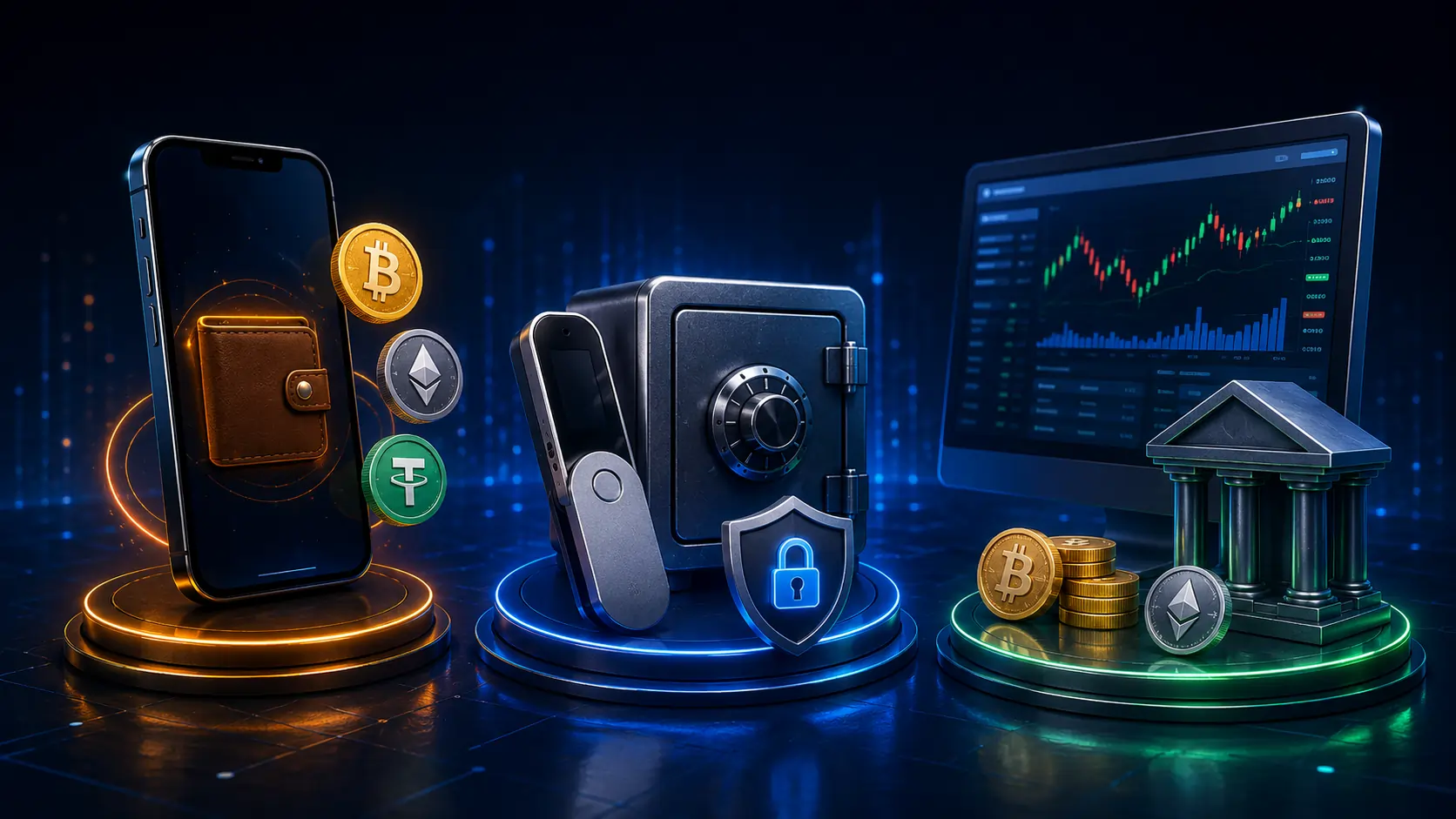
نصائح لأمان محفظة العملات الرقمية
أمان المحفظة هو أحد أهم جوانب امتلاك العملات الرقمية. وينبغي للمبتدئين اتباع هذه القواعد الأساسية: 1. لا تشارك أبدًا مفتاحك الخاص أو عبارة الاسترداد. 2. لا تخزّن عبارة الاسترداد في البريد الإلكتروني أو التخزين السحابي أو لقطات الشاشة. 3. استخدم المصادقة الثنائية على حسابات المنصات. 4. تحقّق جيدًا من عناوين المحافظ قبل إرسال الأموال. 5. أرسل معاملة اختبارية صغيرة قبل تحويل المبالغ الكبيرة. 6. تجنّب النقر على الروابط المشبوهة أو ربط المحافظ بمواقع غير معروفة. 7. حافظ على تحديث تطبيقات محفظتك وأجهزتك. 8. استخدم محفظة باردة للحيازات طويلة الأمد. 9. لا تحتفظ بكل أموالك في محفظة واحدة. 10. تأكد من تخزين نسختك الاحتياطية بأمان دون اتصال بالإنترنت. في عالم العملات الرقمية، قد يكون خطأ صغير واحد مكلفًا. ينبغي أن يأتي الأمان قبل السهولة.
أخطاء شائعة يرتكبها المبتدئون مع محافظ العملات الرقمية
من الأخطاء الشائعة الاعتقاد بأن المحفظة تخزّن العملة الرقمية بنفس الطريقة التي تخزّن بها المحفظة المادية النقود. ففي الواقع، تخزّن المحفظة الوصول إلى أصول البلوكتشين. خطأ آخر هو الاحتفاظ بكل الأموال على منصة. فالمنصات مفيدة، لكن لا ينبغي دائمًا التعامل معها كوسيلة تخزين طويلة الأمد. كما يفقد المبتدئون أحيانًا عبارة الاسترداد الخاصة بهم أو يخزّنونها بإهمال. فإذا فُقدت محفظتك غير الوصائية ولم يكن لديك عبارة الاسترداد، فقد تفقد الوصول إليها إلى الأبد. خطأ شائع آخر هو استخدام الشبكة الخاطئة. فعلى سبيل المثال، يمكن أن يوجد USDT على شبكات بلوكتشين مختلفة. وإرسال الأموال عبر الشبكة الخاطئة قد يتسبب في مشكلات استرداد خطيرة. وأخيرًا، يربط العديد من المبتدئين محافظهم بمواقع مزيفة. تحقّق دائمًا من عناوين URL وتجنّب الموافقة على المعاملات غير المعروفة.
أفكار ختامية
محافظ العملات الرقمية ضرورية لإدارة الأصول الرقمية بأمان. فالمحفظة تمنحك الوصول إلى عملتك الرقمية، لكن أنواع المحافظ المختلفة تلبّي احتياجات مختلفة. المحافظ الساخنة مريحة للنشاط اليومي، لكنها أكثر عرضة للمخاطر عبر الإنترنت. والمحافظ الباردة أقوى للتخزين طويل الأمد، لكنها تتطلب نسخًا احتياطيًا وتعاملًا دقيقين. ومحافظ المنصات سهلة للمبتدئين والمتداولين، لكنها تتطلب الثقة في طرف ثالث. لا توجد محفظة واحدة مثالية للجميع. والنهج الأفضل هو مطابقة إعداد محفظتك مع سلوكك. استخدم المنصات للتداول، والمحافظ الساخنة للاستخدام النشط للبلوكتشين، والمحافظ الباردة للتخزين الجاد طويل الأمد. إذا كنت جديدًا على العملات الرقمية، فابدأ على نطاق صغير، وتعلّم كيف تعمل المحافظ، واحمِ عبارة الاسترداد الخاصة بك، ولا تتسرّع أبدًا في إجراء معاملة. في عالم العملات الرقمية، الأمان ليس خيارًا. إنه أساس الملكية.
Frequently asked questions
ما هي محفظة العملات الرقمية؟
محفظة العملات الرقمية هي أداة تخزّن المفاتيح الخاصة وتساعد المستخدمين على الوصول إلى العملة الرقمية وإرسالها واستقبالها وإدارتها على البلوكتشين.
هل تخزّن محفظة العملات الرقمية العملات فعليًا؟
لا. فالأصول الرقمية موجودة على البلوكتشين. وتخزّن المحفظة المفاتيح التي تتيح لك الوصول إليها والتحكم فيها.
ما هي المحفظة الساخنة؟
المحفظة الساخنة هي محفظة عملات رقمية متصلة بالإنترنت تُستخدم للمعاملات السريعة وتطبيقات Web3 والتمويل اللامركزي والنشاط اليومي في العملات الرقمية.
ما هي المحفظة الباردة؟
المحفظة الباردة تحتفظ بالمفاتيح الخاصة دون اتصال بالإنترنت، مما يجعلها أكثر أمانًا للتخزين طويل الأمد للعملات الرقمية.
ما هي محفظة المنصة؟
محفظة المنصة هي محفظة توفّرها منصة تداول العملات الرقمية. وهي سهلة الاستخدام، لكن المنصة عادةً ما تتحكم في المفاتيح الخاصة.
أيهما أكثر أمانًا، المحفظة الساخنة أم المحفظة الباردة؟
المحفظة الباردة عمومًا أكثر أمانًا للتخزين طويل الأمد لأنها تحتفظ بالمفاتيح الخاصة دون اتصال بالإنترنت. أما المحفظة الساخنة فهي أكثر سهولة لكنها أكثر عرضة للمخاطر عبر الإنترنت.
ماذا تعني عبارة “إن لم تكن المفاتيح لك، فالعملات ليست لك”؟
تعني أنه إذا كنت لا تتحكم في المفاتيح الخاصة، فأنت لا تملك التحكم الكامل في العملة الرقمية. وينطبق هذا عادةً على محافظ المنصات.
آخر مقال
 06 Sep, 2026
How to Build a Crypto Options Trading Platform
 05 Sep, 2026
How to Launch a Crypto Prop Trading Platform
 03 Sep, 2026
How to Scale a Crypto Exchange for High Trading Volume
 02 Sep, 2026
How to Design a Crypto Exchange Fee Structure
 01 Sep, 2026
Market Makers vs Liquidity Providers: What Is the Difference?
Build with Javizen.
Planning an exchange, token or blockchain product? Talk to our team and turn the ideas in this article into a launch-ready platform.