خارطة طريق Theta Network لعام 2026: التطور نحو أول طبقة ذكاء اصطناعي لامركزية في العالم
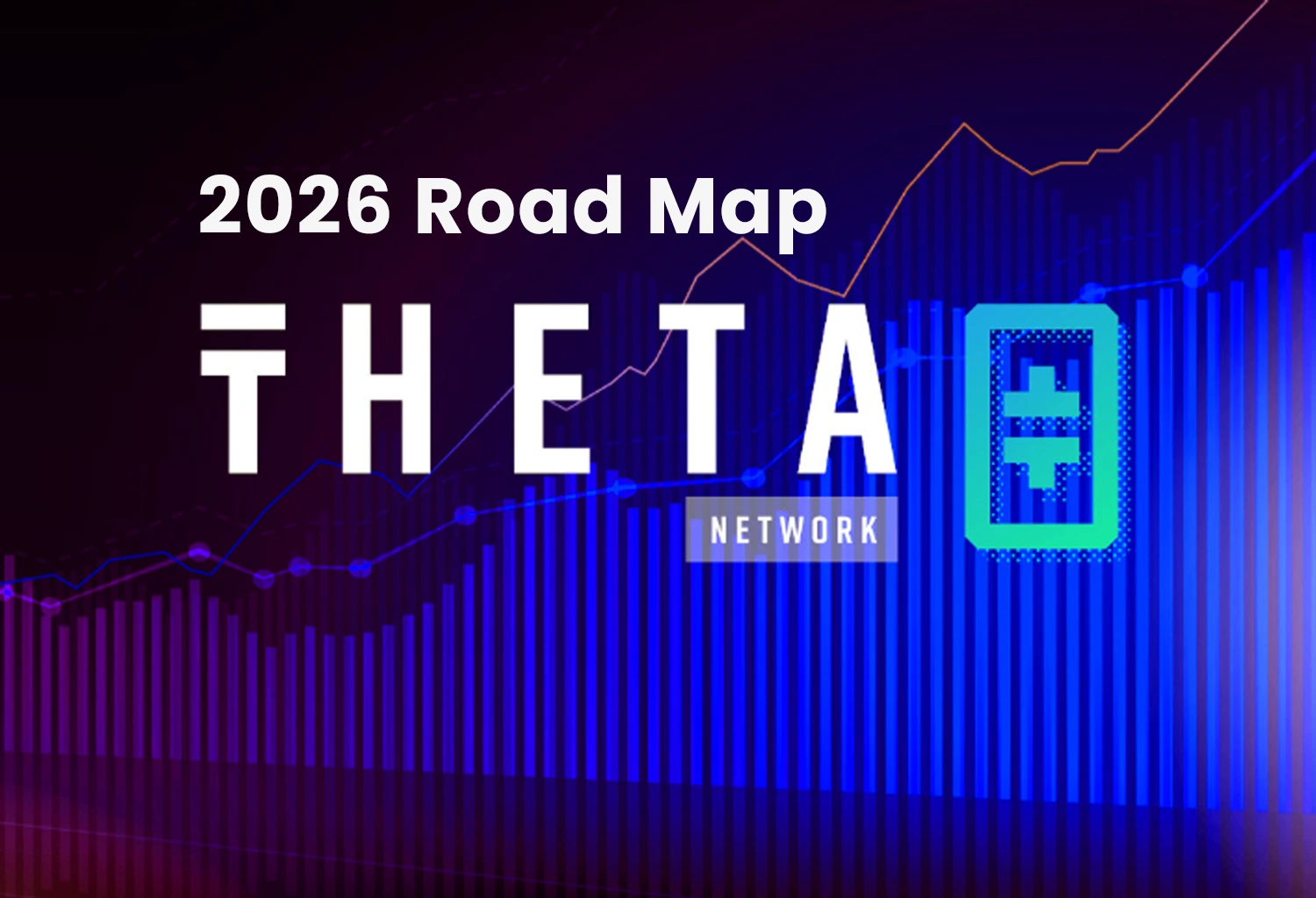
يمثّل عام 2026 نقطة تحول تاريخية لشبكة Theta Network. فبعد أن عُرفت طويلًا بريادتها في تقديم الفيديو اللامركزي، كشفت Theta رسميًا عن خارطة طريقها الاستراتيجية لعام 2026، معلنةً بذلك انتقالًا جريئًا نحو طبقة ذكاء أساسية للذكاء الاصطناعي (AI) اللامركزي والحوسبة الطرفية.
يستفيد هذا التطور من البنية التحتية الموزّعة الضخمة لـ Theta — وهي شبكة عالمية تضم أكثر من 30,000 وحدة معالجة رسومية (GPU) — لحل أكثر العقبات إلحاحًا في عصر الذكاء الاصطناعي: ندرة قدرة الحوسبة المركزية وارتفاع تكلفتها.
النصف الأول من 2026: تسريع EdgeCloud واقتصاد وكلاء الذكاء الاصطناعي
يُخصَّص النصف الأول من عام 2026 لتحويل الإمكانات التقنية إلى منفعة واقعية. ويتمثّل الهدف الأساسي في توليد طلب هائل على EdgeCloud، منصة Theta السحابية الهجينة.
المعالم الرئيسية
- دمج محرك الاستدلال في EdgeCloud: تعمل Theta على دمج محرك الاستدلال الخاص بها مع أسواق البرمجيات الكبرى مثل RapidAPI. وهذا يجعل الذكاء الاصطناعي اللامركزي في متناول ملايين المطورين الذين يمكنهم استدعاء نماذج الذكاء الاصطناعي عبر طلبات API بسيطة دون إدارة أي عتاد.
- إطلاق واجهات برمجة تطبيقات شخصيات الذكاء الاصطناعي (AI Character APIs): نسخة تجريبية متخصصة للألعاب والترفيه، تتيح للمطورين دمج شخصيات ذكاء اصطناعي تفاعلية في العوالم الرقمية.
- TDROP 2.0 واقتصاد الوكلاء: يُعاد توظيف TDROP ليكون طبقة الحوافز لاقتصاد الذكاء الاصطناعي. ففي النصف الأول، تطبّق Theta مكافآت TDROP على مشتريات البضائع عبر شركاء مثل Shopify، وسيصبح الرمز وسيلة دفع مقبولة لخدمات EdgeCloud.
- تجربة طرفية موحّدة: يعمل الفريق على دمج عميلَي EdgeNode وEdgeCloud في واجهة واحدة مبسّطة لخفض حاجز مشاركة أفراد المجتمع.
النصف الثاني من 2026: البنية التحتية الاستراتيجية والتوسّع العالمي في الاتصالات
في النصف الثاني من العام، تهدف Theta إلى ترسيخ دورها كبنية تحتية بمستوى المؤسسات من خلال تعميق روابطها بقطاع الاتصالات وتعزيز أداء النماذج اللغوية الكبيرة (LLM).
المعالم الرئيسية
- الاستدلال الموزّع: اختراق تقني يتيح استضافة نماذج الذكاء الاصطناعي الكبيرة بشكل جماعي عبر عدة عُقد مجتمعية — مما يوسّع قدرة الشبكة على التعامل مع النماذج اللغوية الكبيرة الضخمة التي كانت في السابق أكبر من أن تستوعبها الأجهزة الاستهلاكية الفردية.
- شراكات مدققي الاتصالات: بناءً على الشراكات مع Deutsche Telekom وNTT Digital، ستضمّ Theta مزيدًا من مدققي الاتصالات الاستراتيجيين لتأمين الشبكة ودمج الأجهزة الطرفية مع خدمات الوسائط.
- صور حاويات منخفضة استهلاك الذاكرة (Low-RAM): لإتاحة مشاركة أوسع للأجهزة، تطلق Theta حاويات محسّنة تتيح للعتاد الأقدم أو الأقل مواصفات المساهمة في شبكة الذكاء الاصطناعي.
- وكيل ذكاء اصطناعي لإصدار التذاكر: أداة جديدة لقطاعي الرياضة والترفيه، تتيح لوكلاء الذكاء الاصطناعي إدارة تفاعل الجماهير وإصدار تذاكر الفعاليات بشكل مستقل.
المحركات الأساسية لخارطة طريق 2026
تقوم رؤية Theta على ثلاث ركائز تقنية تعمل بتناغم لإنشاء نظام بيئي ذاتي الاستدامة.
| المكوّن | الوظيفة | تطور 2026 |
|---|---|---|
| محرك الاستدلال في EdgeCloud | يشغّل نماذج الذكاء الاصطناعي لإرجاع النتائج (الاستدلال). | الدمج مع الأسواق الخارجية؛ وإضافة دعم لقوالب النماذج مفتوحة المصدر. |
| محرك التدريب في EdgeCloud | يتولى تدريب نماذج الذكاء الاصطناعي الثقيلة. | الدمج مع أطر العمل المؤسسية مثل Slurm وRay وVolcano على AWS Trainium. |
| وكلاء الذكاء الاصطناعي | روبوتات مستقلة تؤدي المهام. | إطلاق وكلاء متخصصين «Merch» و«Support» مزوّدين بذكاء أعمال تفاعلي. |
الشراكات الاستراتيجية: من الأوساط الأكاديمية إلى المؤسسات
خارطة طريق Theta لعام 2026 ليست مجرد خطة — بل أصبحت محل تحقّق فعلي من قِبل مؤسسات عالمية المستوى.
- Imperial College London: أصبحت أول شريك أكاديمي أوروبي يتبنّى EdgeCloud للأبحاث في مجال أمن الذكاء الاصطناعي وتعلّم الآلة.
- Syracuse University: تستخدم حاليًا AWS Trainium على EdgeCloud Hybrid لأبحاث الذكاء الاصطناعي التوليدي القائم على التدفق.
- التعاون مع AWS: خطوة استراتيجية تدمج شرائح Trainium وInferentia من Amazon في منصة Theta الهجينة، مما يتيح التعايش بين أفضل ما في الحوسبة المركزية واللامركزية.
Frequently asked questions
كيف تؤثر خارطة طريق 2026 على منفعة رمز THETA؟
يظل THETA رمز الحوكمة والتخزين (staking). ومع ضمّ مدققين مؤسسيين جدد مثل NTT Digital، يُتوقع أن يزداد الطلب على تخزين THETA لتأمين الشبكة وكسب المكافآت.
ما دور TFUEL في اقتصاد الذكاء الاصطناعي؟
يُعد TFUEL «وقود الغاز» للشبكة. فمع استخدام عملاء EdgeCloud — من مؤسسات ومختبرات أبحاث ومطورين — لوحدات معالجة الرسومات في الاستدلال والتدريب، يدفعون بـ TFUEL، مما يخلق طلبًا عضويًا ومكافآت لمشغّلي العُقد.
ما هو TDROP 2.0؟
تطوّر TDROP من رمز يركّز على الـ NFT إلى طبقة الحوافز لوكلاء الذكاء الاصطناعي. وسيُستخدم في المدفوعات على EdgeCloud، ومكافآت التجارة المدفوعة بالذكاء الاصطناعي، وحوافز التخزين حتى عام 2030.
هل ما زال بإمكاني كسب مكافآت مقابل مشاركة عرض النطاق الترددي؟
نعم. ففي حين تحوّل التركيز نحو حوسبة الذكاء الاصطناعي، لا تزال شبكة Edge الأساسية تكافئ المستخدمين على ترميز الفيديو وتقديمه، وقد تعزّز ذلك الآن بميزات «Elite+ Booster» للعُقد الموثوقة.
آخر مقال
 06 Sep, 2026
How to Build a Crypto Options Trading Platform
 05 Sep, 2026
How to Launch a Crypto Prop Trading Platform
 03 Sep, 2026
How to Scale a Crypto Exchange for High Trading Volume
 02 Sep, 2026
How to Design a Crypto Exchange Fee Structure
 01 Sep, 2026
Market Makers vs Liquidity Providers: What Is the Difference?
Build with Javizen.
Planning an exchange, token or blockchain product? Talk to our team and turn the ideas in this article into a launch-ready platform.