
What Is Tokenization How Real-World Assets Are Moving On-Chain
What Is Tokenization?
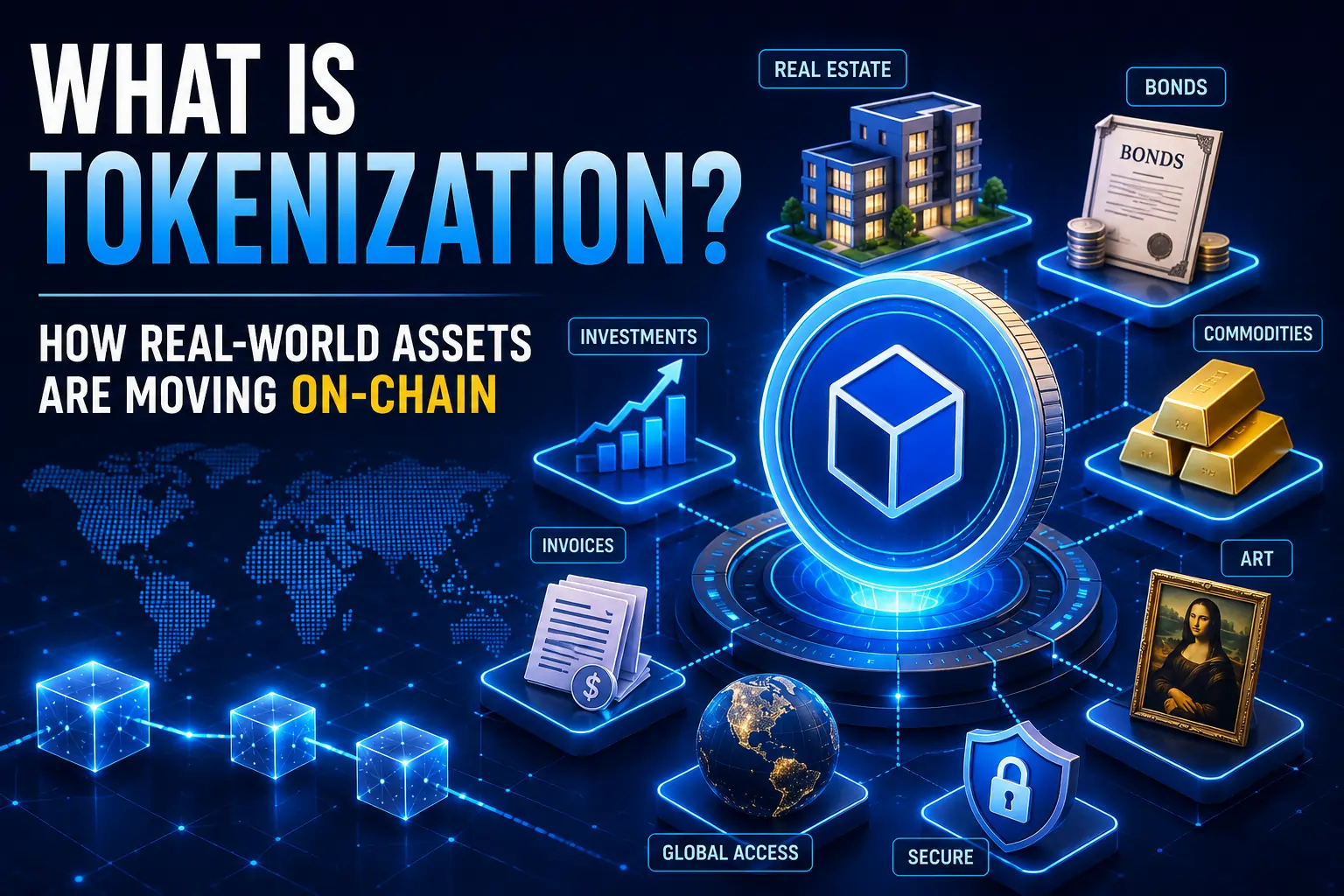
Tokenization is the process of turning ownership rights or value from an asset into a digital token on a blockchain. That asset can be physical, financial, or digital. For example, real estate, gold, government bonds, private credit, invoices, stocks, art, and even carbon credits can be represented as tokens. In simple words, tokenization brings real-world assets on-chain. Instead of recording ownership only through paper documents, banks, brokers, or private databases, tokenization allows asset ownership or asset-related rights to be represented through blockchain-based tokens. This does not always mean the token holder directly owns the physical asset. In many cases, the token represents a claim, share, right, or financial exposure connected to the asset. That is why understanding the legal structure behind a tokenized asset is just as important as understanding the blockchain technology.
Why Tokenization Matters
Crypto started with digital-native assets like Bitcoin and Ethereum. But tokenization expands blockchain beyond purely digital coins. It allows assets from the traditional economy to interact with blockchain networks. This is important because many valuable assets in the world are difficult to trade, slow to settle, expensive to transfer, or only available to large institutions. Real estate, private credit, fine art, and certain bonds are examples of assets that can be hard for ordinary investors to access. Tokenization aims to make these assets more efficient, transparent, and programmable. It can allow faster transfers, fractional ownership, automated compliance, 24/7 settlement, and easier integration with decentralized finance. For beginners, the easiest way to understand tokenization is this: blockchain can act as a digital ownership layer. Tokenization uses that layer to represent real-world value.
What Are Real-World Assets?
Real-world assets, often called RWAs, are assets that exist outside the blockchain but can be represented on-chain. They may be physical assets, financial instruments, or legal claims. Common examples include:
- Real estate
- Gold and commodities
- Government bonds
- Corporate bonds
- Private credit
- Stocks and funds
- Invoices and receivables
- Fine art and collectibles
- Carbon credits
- Intellectual property rights
When these assets are tokenized, a blockchain token is created to represent some form of ownership, claim, or economic interest in the underlying asset. For example, a tokenized real estate project may divide property-related rights into many tokens. A tokenized Treasury product may represent exposure to government bonds. A tokenized gold asset may represent a claim connected to stored physical gold. The key point is that the token is digital, but the value behind it is connected to something real.
How Does Tokenization Work?
Tokenization usually follows several steps. First, an asset is selected. This could be a building, bond, fund, commodity, or financial contract. Second, the asset is legally structured. This step is critical. The issuer must define what the token actually represents. Does it represent ownership? Revenue share? Debt? A claim on reserves? A fund unit? Without clear legal rights, the token may be risky or misleading. Third, the asset is verified and custodied. For physical assets like gold or real estate, there must be a trusted way to prove that the asset exists and is properly controlled. Fourth, tokens are created on a blockchain using smart contracts. These tokens can define supply, transfer rules, investor eligibility, redemption rights, and other conditions. Fifth, tokens are distributed to investors or users. Depending on the asset type and regulation, access may be open to the public or limited to verified investors. Finally, tokens may be traded, transferred, redeemed, or used in financial applications. Some tokenized assets can be integrated into DeFi protocols, used as collateral, or settled more efficiently than traditional assets.
Simple Example of Tokenization
Imagine a commercial property worth $1 million. Traditionally, buying into that property may require large capital, legal paperwork, brokers, banks, and long settlement times. With tokenization, the property could be placed into a legal structure, and 1 million tokens could be issued. Each token might represent a small economic interest in the property. Investors could buy a fraction instead of buying the whole building. If the property generates rental income, smart contracts could help automate distribution to eligible token holders. If the tokens are allowed to trade on a regulated marketplace, investors may have an easier way to enter or exit their position. This example sounds simple, but in reality, the legal and compliance structure matters heavily. A token does not magically solve property law, investor rights, taxation, or custody. It only provides a digital infrastructure for representing and transferring rights.
Benefits of Tokenization
1. Fractional Ownership
Tokenization can divide expensive assets into smaller units. This may allow more people to access assets that were previously limited to wealthy investors or institutions.
2. Faster Settlement
Traditional financial settlement can take days. Blockchain-based settlement can be faster, depending on the network and legal structure.
3. More Transparency
Blockchain records can make transfers easier to track. Token holders may be able to verify supply, transactions, and certain asset-related data on-chain.
4. Improved Liquidity
Some real-world assets are hard to sell quickly. Tokenization may create more flexible secondary markets, although liquidity is not guaranteed.
5. Programmability
Smart contracts can automate rules such as transfers, compliance checks, distributions, and redemptions.
6. Global Access
Tokenized assets can potentially reach a wider investor base, depending on regulation and platform restrictions.
Risks of Tokenization
Tokenization is promising, but it is not risk-free. The first major risk is legal uncertainty. A token may not always mean direct ownership of the underlying asset. Beginners must ask: What rights does this token actually give me? The second risk is issuer risk. Many tokenized assets depend on companies, custodians, trustees, or platforms. If one of these parties fails, token holders may be affected. The third risk is liquidity risk. Just because an asset is tokenized does not mean there will always be buyers. A tokenized asset can still be difficult to sell. The fourth risk is smart contract risk. Bugs, exploits, or technical failures can cause losses. The fifth risk is regulatory risk. Tokenized assets may be treated as securities, commodities, fund interests, or other regulated products depending on the country. The final risk is valuation risk. Investors must understand how the underlying asset is priced and whether that price reflects real market demand.
Tokenization vs Cryptocurrency
Tokenization and cryptocurrency are connected, but they are not the same. A cryptocurrency like Bitcoin is a native digital asset. It exists entirely on its own blockchain network and does not represent a claim on a real-world asset. A tokenized asset, however, represents something else. It may represent real estate, bonds, gold, stock exposure, credit, or another off-chain asset. In short: Cryptocurrency is usually digital-native value. Tokenization is real-world value represented on-chain. This difference is important for beginners. Buying Bitcoin is not the same as buying a tokenized bond or tokenized property. Each asset has different risks, rights, regulations, and use cases.
Why Institutions Care About Tokenization
Banks, asset managers, fintech companies, and blockchain platforms are paying attention to tokenization because it could modernize financial infrastructure. Traditional finance still depends on many intermediaries, separate databases, slow settlement systems, and manual processes. Tokenization could create shared records, faster transfers, automated rules, and more efficient markets. For institutions, tokenization is not just about crypto speculation. It is about upgrading how assets are issued, transferred, settled, and managed. This is why tokenized funds, tokenized Treasuries, and blockchain-based settlement systems are becoming major topics in finance.
Is Tokenization Good for Beginners?
Tokenization is an important concept for beginners to understand, but tokenized assets should be approached carefully. Beginners should not invest in a tokenized asset just because it sounds innovative. They should check the asset, issuer, legal rights, custody model, fees, liquidity, and regulation. A good beginner question is: “What exactly does this token give me?” If the answer is unclear, the risk may be too high.
Future of Real-World Assets On-Chain
The future of tokenization could be significant. If real-world assets continue moving on-chain, blockchain may become a core part of financial markets, not just a tool for crypto trading. Tokenized assets could make investing more accessible, settlement faster, and financial products more programmable. Real estate, bonds, funds, commodities, and private markets may become easier to connect with digital platforms. However, tokenization needs strong legal frameworks, reliable custodians, secure smart contracts, clear regulation, and real liquidity. Without these, tokenized assets may create more confusion than value.
Final Thoughts
Tokenization is one of the most important trends connecting crypto with the real economy. It allows real-world assets to be represented as blockchain tokens, creating new possibilities for ownership, trading, settlement, and financial innovation. Real-world asset tokenization could make markets more efficient, accessible, and transparent. But it also introduces risks around legal rights, regulation, custody, liquidity, and technology. For beginners, the main lesson is simple: tokenization is not just about creating a token. It is about connecting a real asset, legal rights, and blockchain infrastructure in a trustworthy way. If crypto brought digital money to the world, tokenization may bring real-world assets into the digital financial system.
Frequently asked questions
What is tokenization in simple words?
Tokenization is the process of turning ownership rights or value from an asset into a digital token on a blockchain.
What are real-world assets in crypto?
Real-world assets are assets outside the blockchain, such as real estate, bonds, gold, private credit, or art, that can be represented on-chain.
Does a tokenized asset mean I own the real asset?
Not always. A token may represent ownership, a claim, revenue rights, or financial exposure. The legal structure defines the actual rights.
What assets can be tokenized?
Real estate, commodities, bonds, stocks, funds, invoices, art, carbon credits, and intellectual property can potentially be tokenized.
Is tokenization safe?
Tokenization can be useful, but it has risks including legal uncertainty, issuer risk, smart contract risk, liquidity risk, and regulatory risk.
What is RWA tokenization?
RWA tokenization means representing real-world assets as blockchain-based tokens.
How is tokenization different from Bitcoin?
Bitcoin is a native digital asset. A tokenized asset represents rights or value connected to another asset, such as property, bonds, or gold.
Latest Post
 06 Sep, 2026
How to Build a Crypto Options Trading Platform
 05 Sep, 2026
How to Launch a Crypto Prop Trading Platform
 03 Sep, 2026
How to Scale a Crypto Exchange for High Trading Volume
 02 Sep, 2026
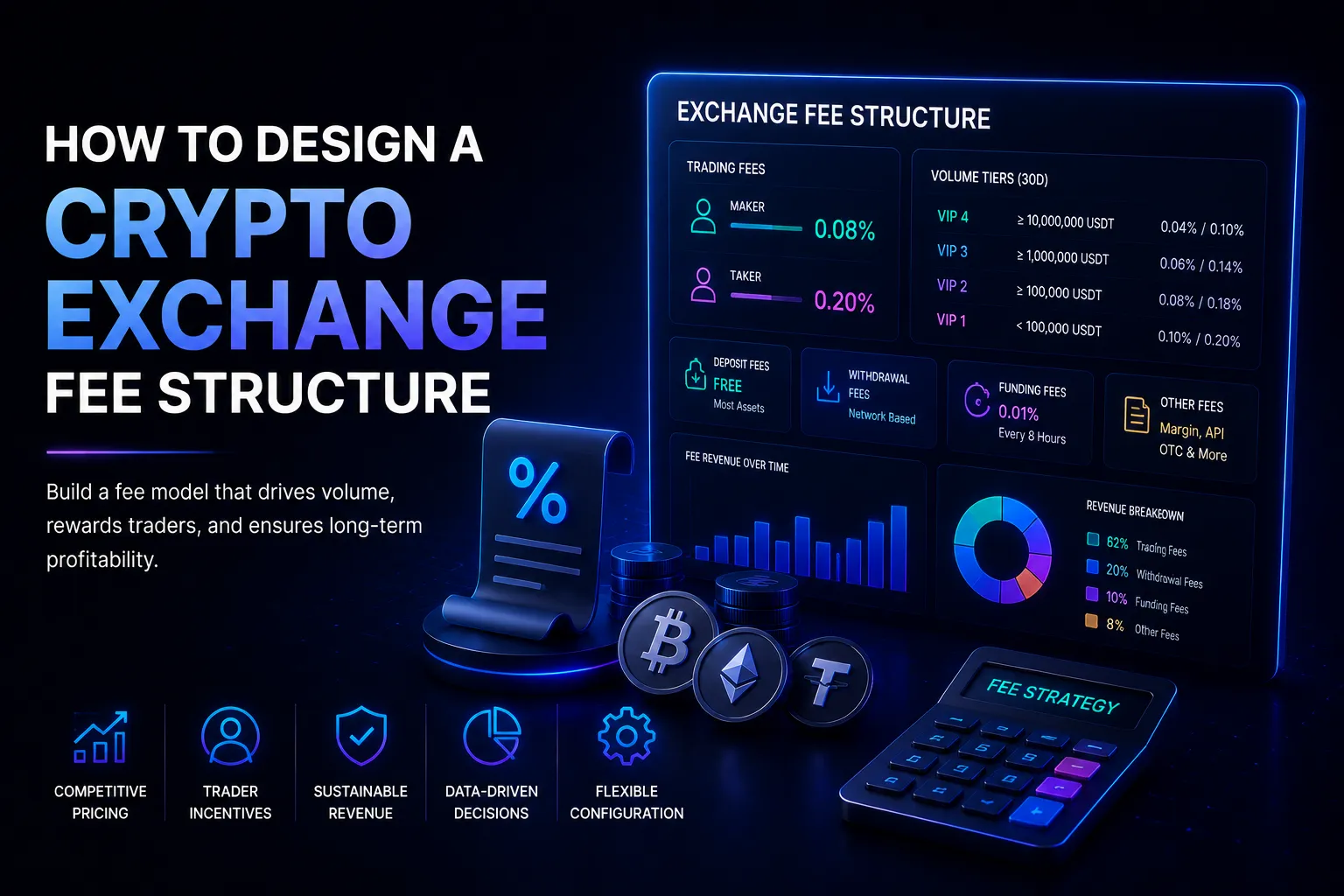
How to Design a Crypto Exchange Fee Structure
 01 Sep, 2026
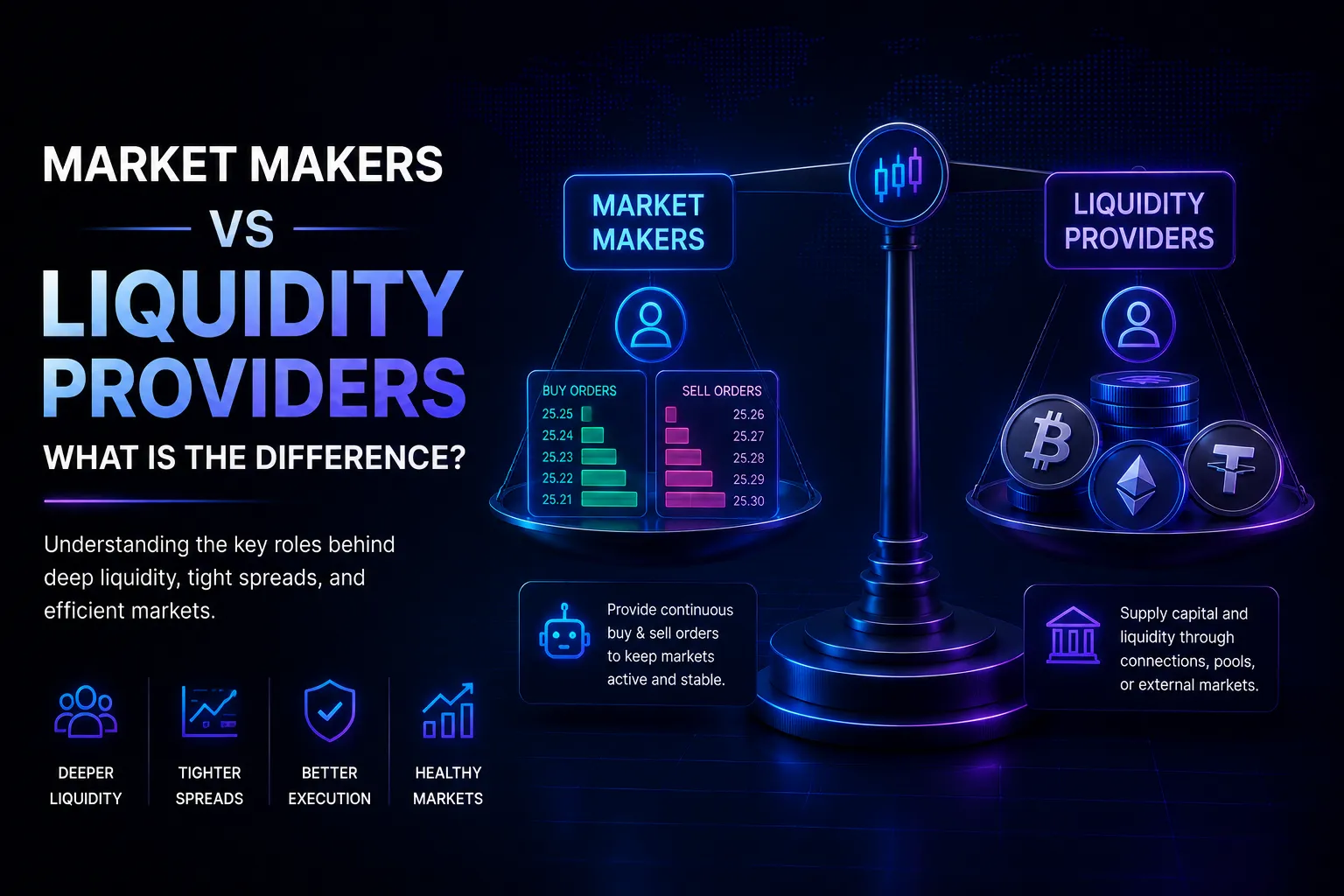
Market Makers vs Liquidity Providers: What Is the Difference?
Build with Javizen.
Planning an exchange, token or blockchain product? Talk to our team and turn the ideas in this article into a launch-ready platform.