
How to Launch a Crypto Exchange in 2026

What Is a Crypto Exchange?
A crypto exchange is a digital platform that allows users to buy, sell, trade, deposit, withdraw, and manage cryptocurrencies. Depending on the business model, an exchange can support spot trading, P2P trading, futures, options, staking, swap, token sales, fiat payments, or crypto payment services. There are several common exchange models: Centralized exchange, or CEX: A platform operated by a company that manages user accounts, wallets, order books, liquidity, KYC, and trading operations. Decentralized exchange, or DEX: A blockchain-based trading system where users trade through smart contracts and usually keep control of their wallets. P2P crypto exchange: A marketplace where buyers and sellers trade directly, often using escrow and multiple payment methods. Hybrid exchange: A platform that combines centralized user experience with decentralized settlement, wallet access, or smart contract-based features. For most businesses entering the market in 2026, a centralized or hybrid exchange is still the most practical model because it provides better control over user experience, compliance, liquidity, support, and monetization.
Why Launching a Crypto Exchange in 2026 Is Different
The crypto industry has changed significantly. Users are no longer satisfied with basic buy-and-sell platforms. They compare new exchanges with global platforms that offer advanced charts, fast execution, mobile apps, instant swaps, referral programs, and professional security. Regulation is also becoming more structured. In Europe, the Markets in Crypto-Assets Regulation, known as MiCA, creates a unified framework for crypto-asset service providers and covers many crypto-assets not already regulated by existing financial rules. FATF also continues to push global standards around virtual assets and VASPs, including AML/CFT controls and Travel Rule expectations. This means that a successful exchange in 2026 must be designed around three pillars: technology, compliance, and trust.
Step 1: Choose the Right Crypto Exchange Business Model
Before development starts, define the type of exchange you want to launch. This decision affects your legal requirements, technical architecture, liquidity strategy, and revenue model. A spot exchange is usually the best starting point. It allows users to trade crypto pairs such as BTC/USDT, ETH/USDT, or local fiat pairs. It is easier to understand and simpler to operate than derivatives platforms. A P2P exchange is useful in regions where bank access, local payment methods, or fiat liquidity are important. In this model, escrow, dispute management, user ratings, and payment proof systems are essential. A futures or derivatives exchange can generate higher trading volume, but it also requires a stronger risk engine, liquidation system, leverage controls, insurance fund logic, and stricter compliance planning. A white-label exchange is ideal for companies that want to launch faster without building everything from zero. Instead of spending years on core trading infrastructure, you can start with a ready-made crypto exchange script and customize branding, markets, modules, and business rules.
Step 2: Understand Legal and Compliance Requirements
Compliance is one of the most important parts of launching a crypto exchange in 2026. Requirements vary by country, but most regulated markets expect crypto businesses to handle user verification, transaction monitoring, anti-money laundering controls, recordkeeping, and suspicious activity reporting. In the United States, FinCEN guidance treats certain virtual currency exchangers as money transmitters under money services business rules, depending on the business model. FinCEN also requires MSB registration and supporting documentation retention, with penalties possible for registration violations. In the EU, businesses that provide crypto-asset services may need CASP authorization under MiCA. ESMA describes MiCA as a framework that creates uniform EU market rules for crypto-assets, including requirements for crypto-asset service providers. Before launch, work with a legal advisor in your target jurisdiction. At minimum, your exchange should be prepared for KYC, AML, sanctions screening, wallet risk scoring, transaction monitoring, privacy policy, terms of service, and operational risk controls.
Step 3: Define Core Exchange Features
- User registration and secure authentication
- KYC and identity verification
- Multi-currency crypto wallets
- Deposit and withdrawal management
- Spot trading engine
- Order book and trade history
- Admin panel
- Market management
- Fee management
- User balance and transaction reports
- Referral and affiliate system
- Ticketing and support module
- Security logs and activity monitoring
- API access for users and market makers
For a more competitive platform, you can add futures trading, P2P trading, staking, swap/convert, launchpad, coupons, VIP fee tiers, mobile apps, and advanced reporting. This is where Javizen becomes valuable. Javizen provides crypto exchange infrastructure and ready-made exchange scripts that help businesses launch faster with modular features instead of building every component from scratch.
Step 4: Build a Secure Wallet Infrastructure
Wallet architecture is one of the most sensitive parts of a crypto exchange. Users trust the platform with their assets, so wallet security must be treated as a core business priority. A strong exchange wallet system should include hot wallets, cold storage, withdrawal approval workflows, address generation, deposit confirmation tracking, transaction monitoring, and admin-level risk controls. For high-volume platforms, automation is important, but manual approval layers may still be needed for large withdrawals or suspicious accounts. In 2026, users also expect support for major networks such as Bitcoin, Ethereum, Tron, BNB Chain, and stablecoin networks. USDT and USDC support are especially important because stablecoins are often the base of crypto trading liquidity.
Step 5: Connect Liquidity
Liquidity determines whether users can trade smoothly. A platform with poor liquidity will have wide spreads, empty order books, slow execution, and low user trust. There are several ways to solve this: You can connect to external exchanges through APIs, use internal market-making bots, partner with liquidity providers, or build your own liquidity gradually as users join. Many new exchanges start with liquidity aggregation and market-making tools, then expand into deeper native liquidity over time. For CEX platforms, liquidity is not just a trading feature. It affects user retention, trading volume, revenue, and brand credibility.
Step 6: Design a Clean User Experience
A crypto exchange should be powerful, but it should not feel complicated. The user journey must be simple: register, verify, deposit, trade, withdraw, and get support when needed. Your interface should include clear navigation, responsive design, mobile-friendly pages, real-time charts, transparent balances, easy deposit instructions, and clear fee information. For beginners, a simple swap or convert feature can be more useful than a full order-book trading screen. For professionals, advanced charts, limit orders, stop orders, API keys, and trading history are essential. The best exchange platforms serve both beginners and advanced traders without confusing either group.
Step 7: Plan Security From Day One
Security cannot be added at the end. It must be part of the architecture from the beginning. Important security features include two-factor authentication, email verification, withdrawal whitelist, anti-phishing code, role-based admin access, IP/device logs, encrypted sensitive data, rate limiting, backup strategy, penetration testing, and server monitoring. For admin panels, access control is especially important. Not every admin should have permission to approve withdrawals, edit markets, change fees, or access sensitive user data. A strong role and permission system reduces operational risk.
Step 8: Prepare the Admin and Operations Panel
The admin panel is the control center of the exchange. It should allow your team to manage users, KYC requests, wallets, deposits, withdrawals, trading pairs, fees, tickets, announcements, reports, and system settings. A weak admin panel creates operational problems. A strong admin panel helps your team handle compliance, support, finance, risk, and growth from one place. For B2B exchange operators, this is one of the biggest advantages of using a professional crypto exchange script. You are not only buying a trading interface; you are getting the operational infrastructure behind the business.
Step 9: Test Before Launch
Before going live, test every critical flow:
- User registration
- Login and 2FA
- KYC submission and approval
- Crypto deposit confirmation
- Withdrawal request and approval
- Spot trading
- Order matching
- Fee calculation
- Balance updates
- Admin actions
- Support tickets
- Email and notification system
- Mobile responsiveness
- Server load and performance
A crypto exchange handles real money. Even small bugs can damage user trust. Testing should include functional testing, security testing, performance testing, and real trading simulations.
Step 10: Launch With a Growth Strategy
Technology alone is not enough. After launch, you need a go-to-market strategy. Start with a focused audience. This could be local traders, fintech users, a specific region, crypto communities, institutional clients, gold or commodity traders, Web3 projects, or users who need local fiat access. Strong growth channels include SEO, referral programs, influencer partnerships, Telegram and Discord communities, educational content, market reports, trading competitions, affiliate campaigns, and partnerships with blockchain projects. Your exchange should also have a clear reason to exist. Competing only with “another crypto exchange” is difficult. Competing with a specific advantage such as local payment access, lower fees, better support, institutional tools, token launch services, or regional liquidity is much stronger.
How Javizen Helps You Launch Faster
Building a crypto exchange from zero can take a long time and require a large technical team. You need backend developers, frontend developers, blockchain engineers, DevOps, security specialists, QA testers, product managers, and compliance support. Javizen helps businesses reduce this complexity by providing ready-made and customizable crypto exchange infrastructure. With Javizen, you can launch a professional exchange platform with core modules such as user management, wallets, spot trading, P2P, futures, staking, swap, referral, support, reports, admin management, and more. Instead of starting from an empty codebase, you can start with a tested foundation and customize it for your brand, market, language, business model, and regulatory needs.
Final Thoughts
Launching a crypto exchange in 2026 is a serious business opportunity, but it requires the right strategy. The winning platforms will not be the ones that launch the fastest with weak infrastructure. They will be the ones that combine security, liquidity, compliance, user experience, and scalable technology. If you are planning to launch a crypto exchange, the smartest approach is to start with a clear business model, choose the right jurisdiction, build strong technical infrastructure, and work with a team that understands blockchain products. With Javizen’s crypto exchange script and blockchain infrastructure solutions, businesses can move from idea to launch-ready platform faster, safer, and with more confidence.
Frequently asked questions
How much does it cost to launch a crypto exchange in 2026?
The cost depends on the business model, features, license requirements, liquidity setup, design, custom development, and security needs. A basic exchange costs less than a full platform with futures, P2P, staking, mobile apps, and fiat gateway integration.
How long does it take to launch a crypto exchange?
Building from zero can take many months or even more than a year. Using a ready-made crypto exchange script can significantly reduce development time because the core infrastructure is already built.
Do I need a license to start a crypto exchange?
In many jurisdictions, yes. Requirements depend on where your company is registered, where your users are located, and what services you offer. Always consult a qualified legal advisor before launch.
What is the best crypto exchange model for beginners?
A spot crypto exchange is usually the best starting point because it is easier to operate than futures or derivatives platforms. P2P can also be a strong choice in markets where local payment methods are important.
Can I launch a crypto exchange without building from scratch?
Yes. You can use a white-label or ready-made crypto exchange script and customize it for your business. This approach helps reduce development time, technical risk, and launch complexity.
Latest Post
 06 Sep, 2026
How to Build a Crypto Options Trading Platform
 05 Sep, 2026
How to Launch a Crypto Prop Trading Platform
 03 Sep, 2026
How to Scale a Crypto Exchange for High Trading Volume
 02 Sep, 2026
How to Design a Crypto Exchange Fee Structure
 01 Sep, 2026
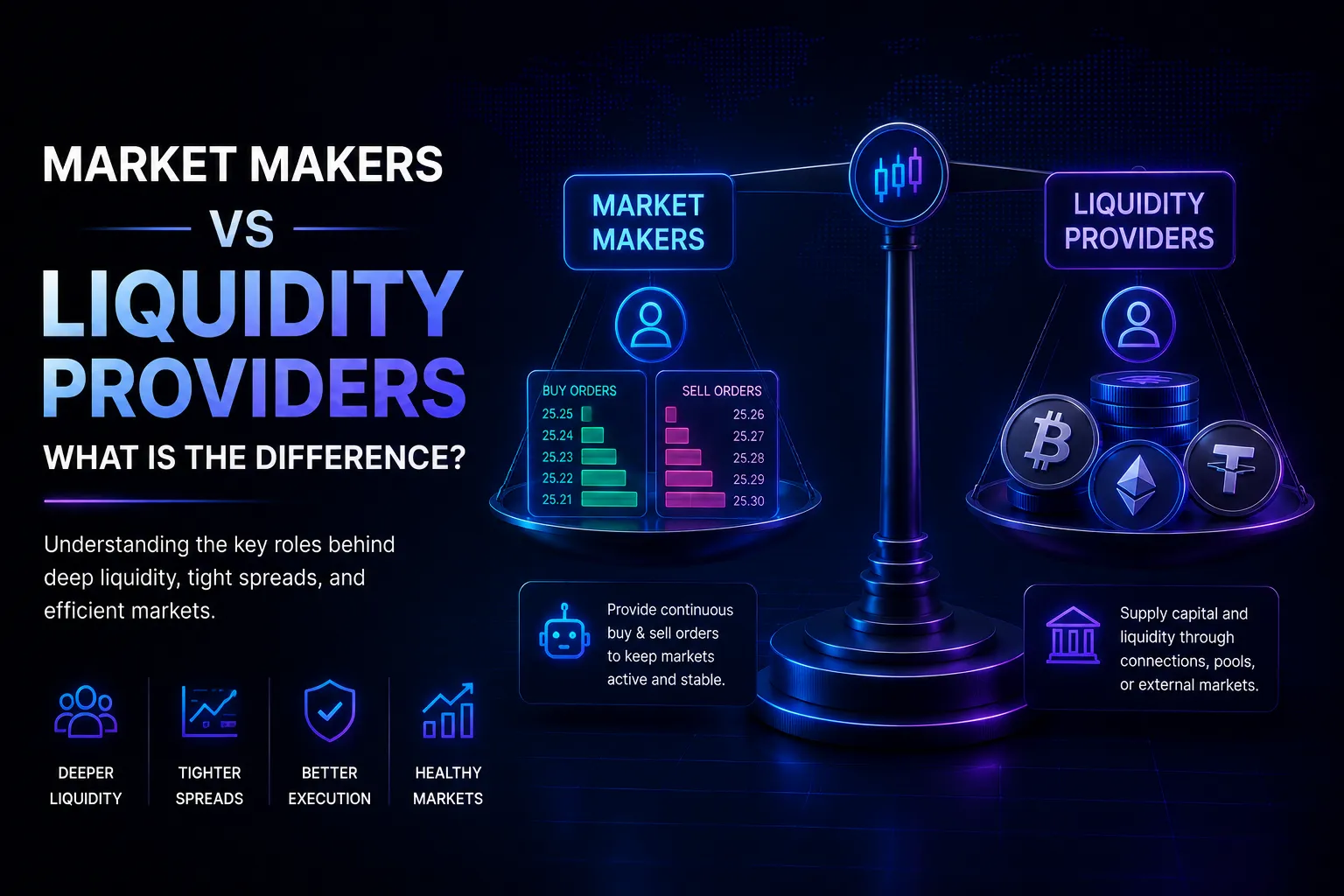
Market Makers vs Liquidity Providers: What Is the Difference?
Build with Javizen.
Planning an exchange, token or blockchain product? Talk to our team and turn the ideas in this article into a launch-ready platform.