Theta Network’s 2026 Roadmap: The Evolution into the World’s First Decentralized AI Intelligence Layer
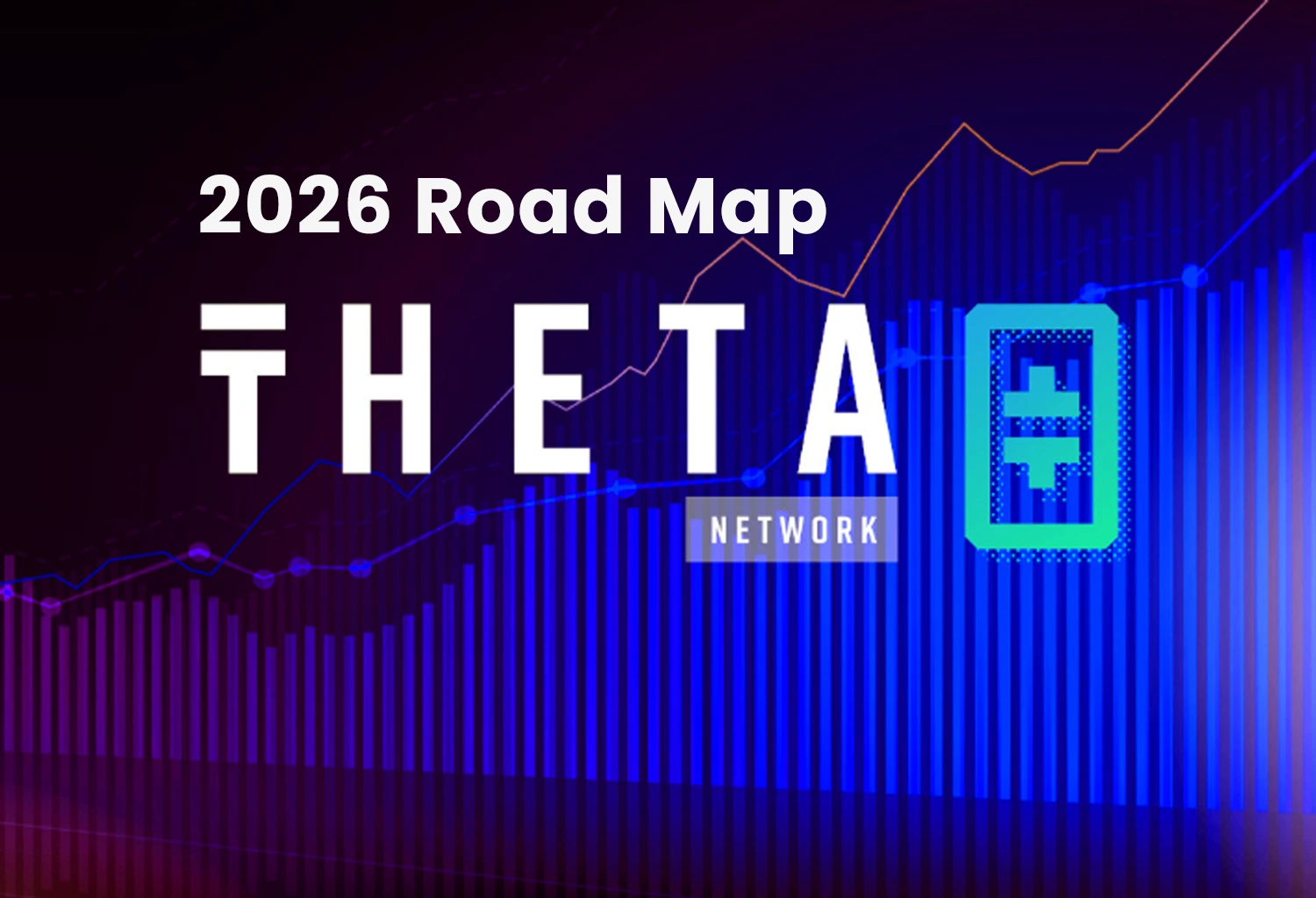
The year 2026 marks a historic pivot for the Theta Network. Long recognized as the leader in decentralized video delivery, Theta has officially unveiled its 2026 Strategic Roadmap, signaling a bold transition into a foundational intelligence layer for decentralized Artificial Intelligence (AI) and edge computing.
This evolution leverages Theta’s massive distributed infrastructure — a global network of over 30,000 GPUs — to solve the most pressing bottleneck of the AI era: the scarcity and high cost of centralized computing power.
H1 2026: Accelerating EdgeCloud and the AI Agent Economy
The first half of 2026 is dedicated to transforming technical potential into real-world utility. The primary goal is to drive massive demand for EdgeCloud, Theta’s hybrid cloud platform.
Key Milestones
- EdgeCloud Inference Engine Integration: Theta is integrating its inference engine with major software marketplaces like RapidAPI. This makes decentralized AI accessible to millions of developers who can call AI models via simple API requests without managing hardware.
- Launch of AI Character APIs: A specialized beta for gaming and entertainment, allowing developers to integrate interactive AI characters into digital worlds.
- TDROP 2.0 & The Agent Economy: TDROP is being repurposed as the incentive layer for the AI economy. In H1, Theta is implementing TDROP rewards for merchandise purchases through partners like Shopify, and the token will become an accepted payment method for EdgeCloud services.
- Unified Edge Experience: The team is combining the EdgeNode and EdgeCloud clients into a single, streamlined interface to lower the barrier for community participants.
H2 2026: Strategic Infrastructure and Global Telecom Scaling
In the latter half of the year, Theta aims to cement its role as enterprise-grade infrastructure by deepening its ties with the telecommunications industry and enhancing Large Language Model (LLM) performance.
Key Milestones
- Distributed Inferencing: A technical breakthrough allowing large AI models to be hosted collectively across multiple community nodes — scaling the network’s capacity to handle massive LLMs that were previously too large for individual consumer devices.
- Telecom Validator Partnerships: Building on partnerships with Deutsche Telekom and NTT Digital, Theta will onboard more strategic telecom validators to secure the network and integrate edge devices with media services.
- Low-RAM Container Images: To enable broader device participation, Theta is launching optimized containers that allow older or lower-spec hardware to contribute to the AI network.
- AI Ticketing Agent: A new utility for the sports and entertainment sectors, enabling AI agents to manage fan engagement and event ticketing autonomously.
The Core Engines of the 2026 Roadmap
Theta’s vision rests on three pillars of technology that work in tandem to create a self-sustaining ecosystem.
| Component | Function | 2026 Evolution |
|---|---|---|
| EdgeCloud Inference Engine | Runs AI models to return results (inference). | Integrating with external marketplaces; adding support for open-source model templates. |
| EdgeCloud Training Engine | Handles heavy-duty AI model training. | Integration with enterprise frameworks like Slurm, Ray and Volcano on AWS Trainium. |
| AI Agents | Autonomous bots that perform tasks. | Launch of specialized “Merch” and “Support” agents with interactive business intelligence. |
Strategic Partnerships: From Academia to Enterprise
Theta’s 2026 roadmap isn’t just a plan — it’s already being validated by world-class institutions.
- Imperial College London: Became the first European academic partner to adopt EdgeCloud for research in AI security and machine learning.
- Syracuse University: Currently utilizing AWS Trainium on EdgeCloud Hybrid for flow-based generative AI research.
- AWS Collaboration: A strategic move that integrates Amazon’s Trainium and Inferentia chipsets into Theta’s hybrid platform, allowing the best of centralized and decentralized compute to coexist.
Frequently asked questions
How does the 2026 Roadmap affect THETA token utility?
THETA remains the governance and staking token. With the onboarding of new enterprise validators like NTT Digital, demand for staking THETA to secure the network and earn rewards is expected to increase.
What is the role of TFUEL in the AI economy?
TFUEL is the “gas” of the network. As EdgeCloud customers — enterprises, research labs and developers — utilize GPUs for AI inference and training, they pay in TFUEL, creating organic demand and rewards for node operators.
What is TDROP 2.0?
TDROP has evolved from an NFT-focused token into the incentive layer for AI agents. It will be used for payments on EdgeCloud, rewards for AI-driven commerce, and staking incentives through 2030.
Can I still earn rewards for sharing bandwidth?
Yes. While the focus has shifted toward AI compute, the core Edge Network still rewards users for video transcoding and delivery, now enhanced by the “Elite+ Booster” features for reliable nodes.
Latest Post
 06 Sep, 2026
How to Build a Crypto Options Trading Platform
 05 Sep, 2026
How to Launch a Crypto Prop Trading Platform
 03 Sep, 2026
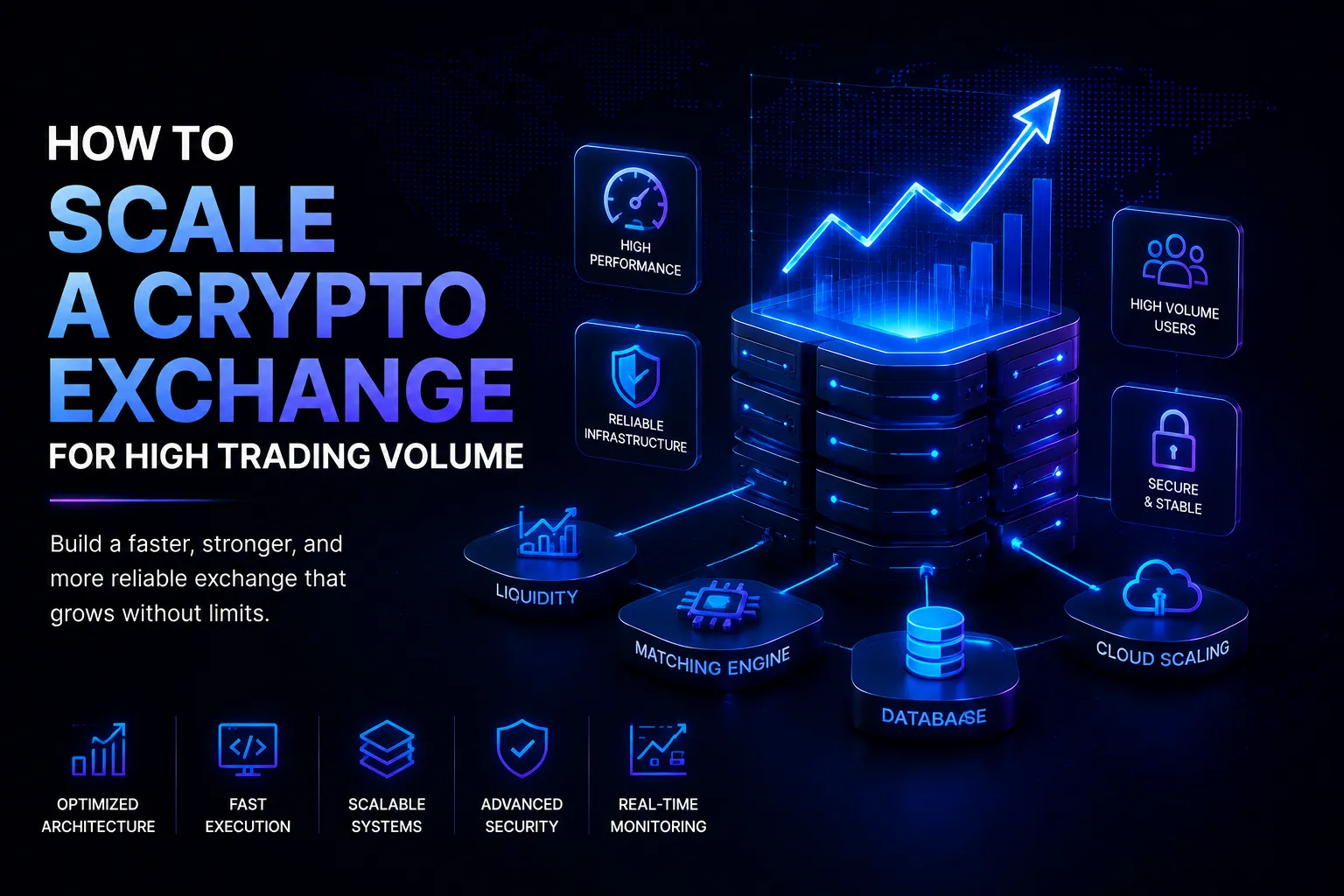
How to Scale a Crypto Exchange for High Trading Volume
 02 Sep, 2026
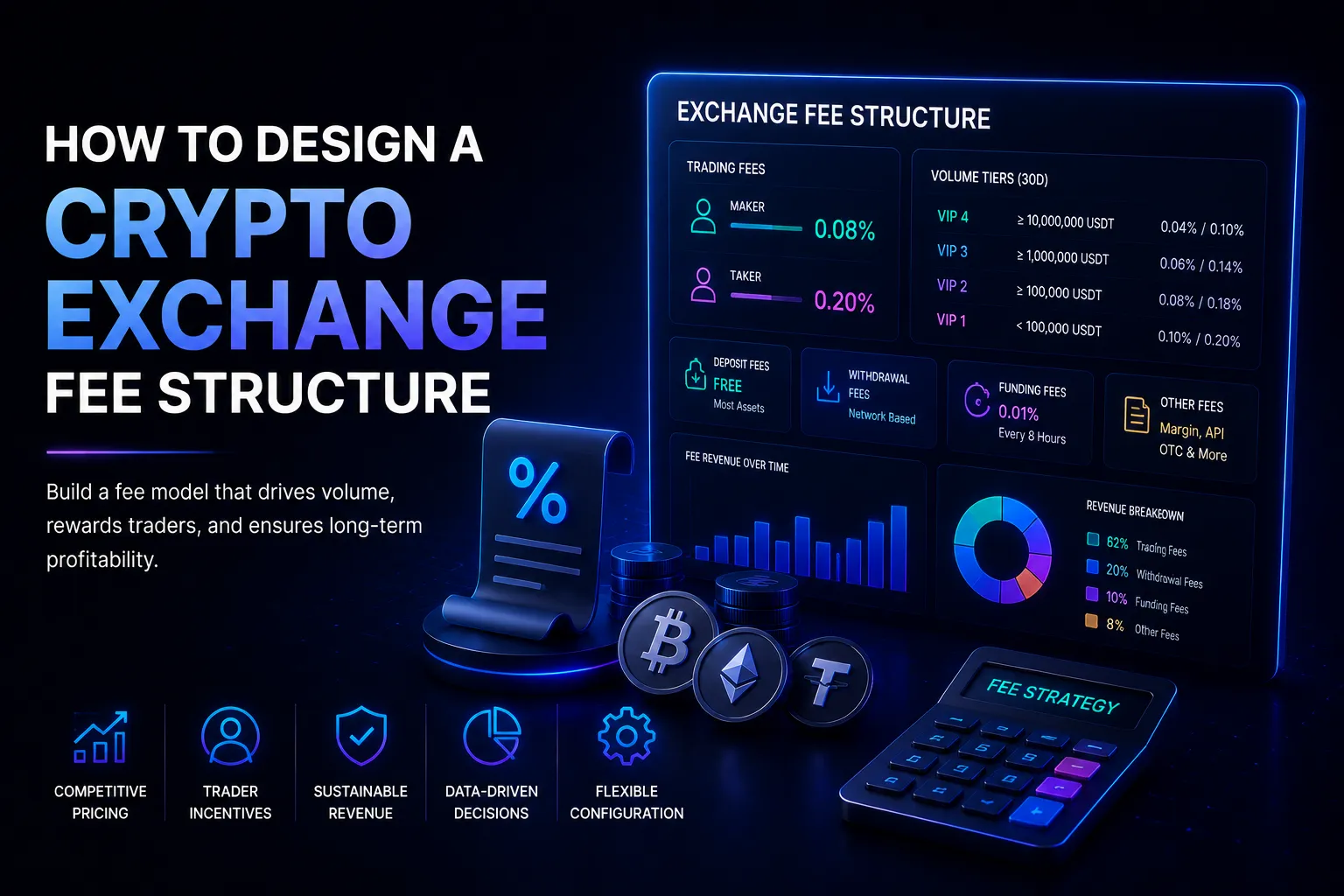
How to Design a Crypto Exchange Fee Structure
 01 Sep, 2026
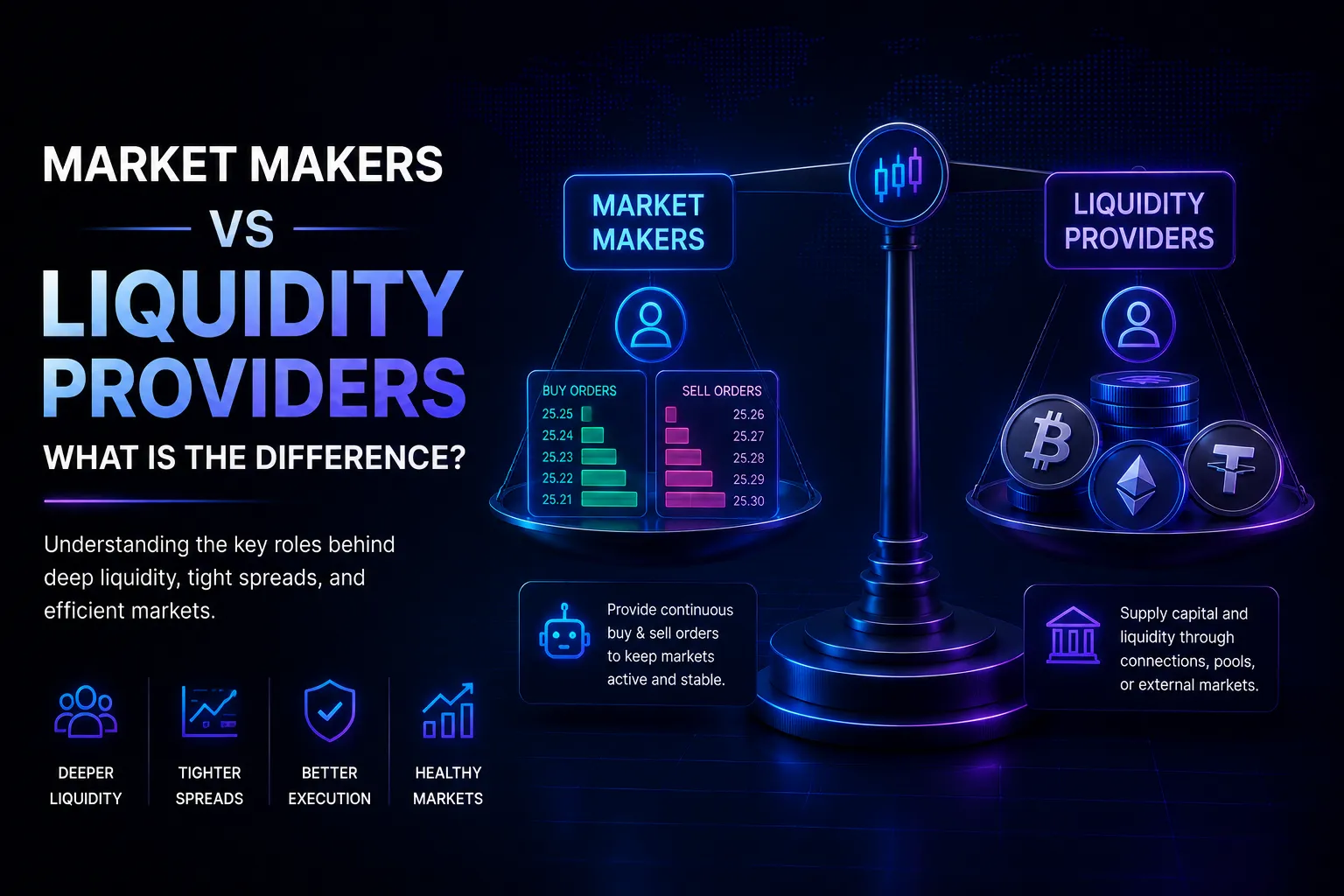
Market Makers vs Liquidity Providers: What Is the Difference?
Build with Javizen.
Planning an exchange, token or blockchain product? Talk to our team and turn the ideas in this article into a launch-ready platform.