
White-label Crypto Exchange vs Custom Development
What Is a White-label Crypto Exchange?
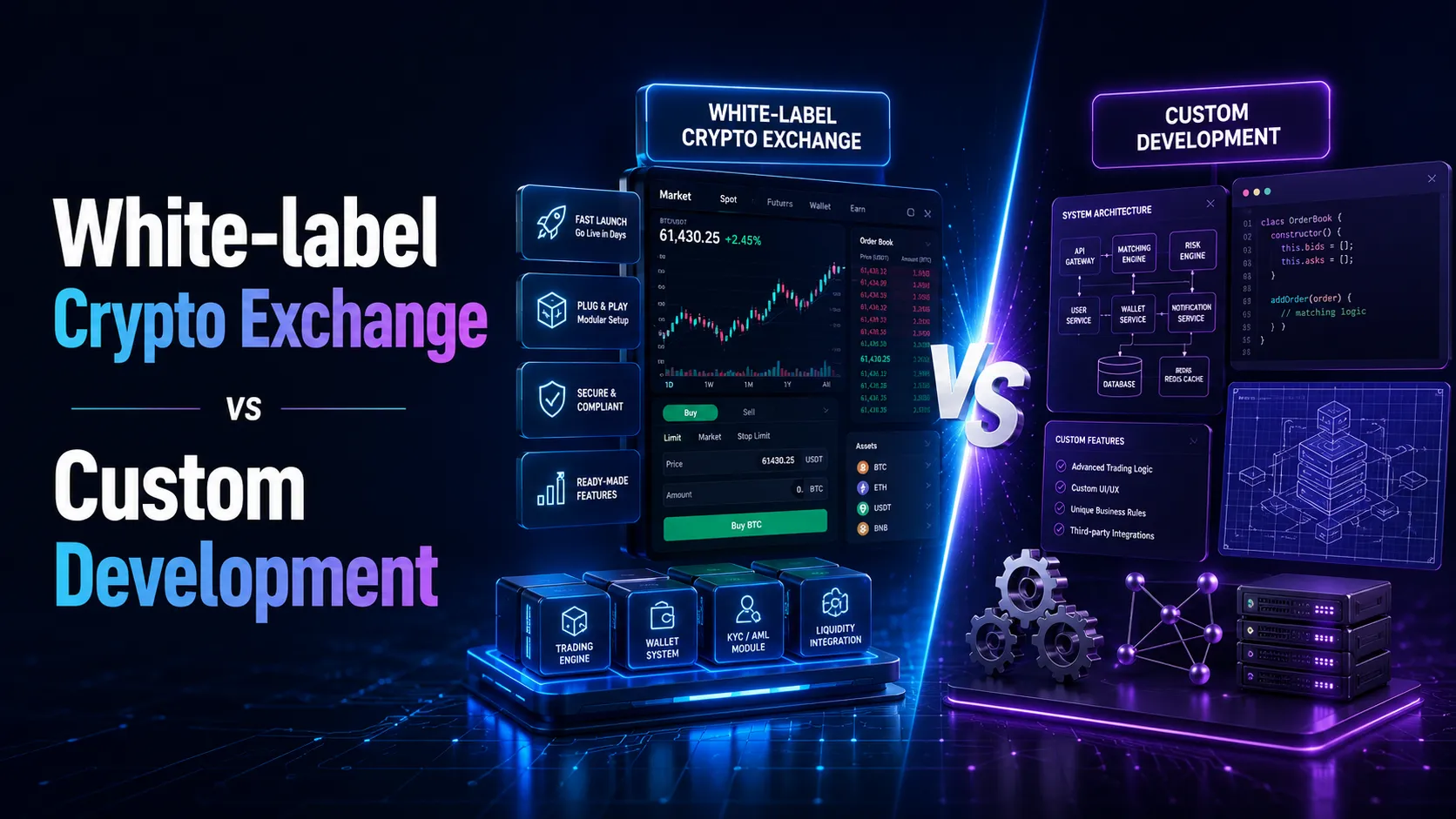
A white-label crypto exchange is a ready-made exchange platform that can be customized with your brand, design, trading pairs, modules, languages, fees, and business rules. Instead of building every system from zero, you start with an existing infrastructure and adjust it for your market. A professional white-label exchange usually includes core features such as user registration, KYC, wallets, spot trading, order book, admin panel, deposits, withdrawals, reporting, referral system, support tickets, and security tools. Some white-label platforms also support advanced modules like P2P trading, futures trading, staking, swap, launchpad, mobile apps, or crypto payment gateway integration. For many startups, brokers, fintech companies, and regional exchange operators, white-label exchange software is the fastest way to enter the market with lower technical risk.
What Is Custom Crypto Exchange Development?
Custom crypto exchange development means building the platform from scratch based on your exact product requirements. The development team designs the system architecture, database structure, trading engine, wallet system, admin panel, user interface, APIs, and security model specifically for your project. This approach gives you more control. You can create a unique trading experience, custom liquidity model, special compliance workflow, proprietary risk engine, or business-specific features that are not available in a standard exchange script. However, custom development is usually more expensive and time-consuming. It requires a strong team of backend developers, frontend developers, blockchain engineers, DevOps specialists, QA testers, security experts, and product managers.
White-label vs Custom Development: Quick Comparison
A white-label crypto exchange is best when you want faster launch, lower initial cost, tested core modules, and a practical path to market. It is ideal for businesses that need a professional exchange but do not want to spend years building basic infrastructure. Custom development is best when you have a unique business model, complex architecture, special compliance requirements, or a large budget for long-term product ownership. In simple terms: White-label exchange: faster, more affordable, lower technical risk, easier to launch. Custom development: more flexible, more unique, higher cost, longer timeline. The right choice is not always about which option is “better.” It is about which option matches your business stage.
Cost Difference
Cost is one of the biggest differences between white-label and custom exchange development. A white-label crypto exchange usually costs less because the core product has already been developed. You pay for licensing, customization, deployment, integrations, support, and optional modules. Custom development costs more because every major component must be designed, built, tested, secured, and maintained from zero. This includes the trading engine, wallet system, admin panel, frontend, backend, APIs, security architecture, reporting tools, and integrations. If your goal is to test the market, attract early users, or launch a regional exchange quickly, white-label is usually more cost-efficient. If your goal is to build a large institutional-grade platform with unique infrastructure, custom development may be worth the larger investment.
Time to Market
Speed matters in crypto. Market trends move quickly, and a delayed launch can mean missing a valuable opportunity. A white-label exchange can significantly reduce launch time because the core system is already available. Your team can focus on branding, UI changes, trading pairs, liquidity, localization, legal setup, and marketing. Custom development takes longer because the product must go through discovery, architecture design, development, testing, security review, deployment, and multiple rounds of debugging. For most new exchange operators, time to market is a major advantage of white-label software. You can launch earlier, collect user feedback, validate demand, and improve the product over time.
Customization and Flexibility
Custom development offers the highest level of flexibility. You can design every feature exactly the way you want. This is useful if your exchange has a completely new trading model, uncommon asset class, advanced risk system, or deep integration with other financial platforms. White-label software is customizable, but within the limits of the existing architecture. You can usually customize branding, UI, trading pairs, fees, modules, languages, roles, and workflows. However, very unusual features may require deeper development. The important point is to choose a white-label provider with a modular architecture. A modular system allows you to start with core exchange features and add more modules later, such as P2P, futures, staking, launchpad, or payment gateway. Javizen follows this approach by providing ready-made crypto exchange infrastructure with customization options, so businesses can launch faster while still adapting the platform to their market.
Technical Risk
Building a crypto exchange from zero is technically risky. Exchanges handle user funds, live trading, wallet operations, and sensitive account data. A small bug in balance calculation, order matching, withdrawal processing, or admin permissions can create serious financial and reputational damage. White-label exchange software reduces some of this risk because the core system has already been built and tested. This does not mean there is no risk, but it can reduce the complexity of starting from an empty codebase. Custom development gives you full control, but it also means your team is responsible for every technical decision. If the architecture is weak, scaling the platform later can become expensive and difficult.
Security Considerations
Security is essential in both models. A white-label crypto exchange should include two-factor authentication, email verification, withdrawal controls, role-based admin permissions, IP/device logs, encryption, rate limiting, and secure wallet workflows. A custom exchange can be designed with more advanced security architecture from the start, especially for institutional projects. This may include custom custody models, advanced monitoring, private infrastructure, penetration testing, and deeper risk controls. However, security depends less on the label “white-label” or “custom” and more on the quality of the development team. A poorly built custom exchange can be less secure than a professional white-label platform. A strong provider, clean code, security testing, and ongoing maintenance are more important than the development model alone.
Compliance and KYC
Crypto exchanges often need KYC, AML, sanctions screening, transaction monitoring, audit logs, reporting, and user risk controls. The exact requirements depend on the jurisdiction and business model. A white-label platform may already include KYC workflow, admin approval tools, user verification status, document upload, and reporting. This helps the business prepare faster for compliance operations. Custom development may be better if your compliance workflow is highly specific or if your target market has unique legal requirements. For example, an exchange serving institutional clients may need advanced reporting, special onboarding, or custom risk scoring. In both cases, you should consult legal professionals before launch. Compliance should be planned from the beginning, not added after users start trading.
Scalability and Long-Term Growth
A common mistake is thinking that white-label software is only for small projects. A well-built white-label exchange can support serious growth if it has modular architecture, clean backend structure, strong server setup, and ongoing development support. The key question is not just “white-label or custom?” The real question is: can the platform grow with your business? If you start with white-label software, make sure it can support new networks, more trading pairs, advanced modules, liquidity integration, mobile apps, and higher traffic. Custom development can also scale well, but only if the architecture is designed correctly from the start. Otherwise, a custom platform can become expensive to maintain and difficult to upgrade.
Ownership and Control
Custom development usually gives you more control over the codebase, architecture, roadmap, and technical decisions. This can be important for companies that want to build proprietary technology. White-label ownership depends on the provider’s licensing model. Some providers offer source-code access, while others offer hosted or limited-license solutions. Before choosing a white-label provider, ask about source code, customization rights, hosting options, maintenance, support, and future development. For serious exchange businesses, transparency around code access and customization is very important.
Which Option Is Better for Startups?
For most startups, a white-label crypto exchange is usually the better starting point. It allows the team to launch faster, reduce development cost, test the market, and focus on user acquisition. A startup does not always need to build everything from scratch. It needs to prove that users want the product, trust the platform, and trade actively. Once the business grows, the company can add custom modules, improve the UI, expand liquidity, launch mobile apps, or move toward deeper custom infrastructure.
Which Option Is Better for Enterprise Projects?
For enterprise-level projects, the answer depends on the goal. If the company needs a unique institutional platform, custom custody, proprietary matching logic, complex compliance, or deep integration with existing financial systems, custom development may be the better choice. But if the enterprise wants to launch a branded exchange, regional trading platform, broker exchange solution, or internal digital asset platform quickly, a professional white-label solution can still be a strong option.
How Javizen Helps
Javizen provides crypto and blockchain infrastructure for businesses that want to launch exchange platforms faster and more professionally. With Javizen, companies can start from ready-made exchange modules and customize the platform based on their brand, market, and business model. Javizen’s infrastructure can support different exchange models, including centralized crypto exchange, P2P trading, futures trading, staking, swap, referral system, wallet management, admin panel, reporting, and launchpad-related features. Instead of spending months or years building basic infrastructure, businesses can use Javizen’s ready-made foundation and focus on strategy, licensing, liquidity, marketing, and growth.
Final Verdict
White-label crypto exchange software and custom development both have value. The best choice depends on your stage, budget, and product vision. Choose a white-label crypto exchange if you want faster launch, lower initial cost, tested modules, and a practical route to market. Choose custom development if you need unique architecture, full technical control, advanced proprietary features, and have the budget and time to build from scratch. For many businesses, the smartest path is a hybrid approach: start with a strong white-label foundation, customize it for your market, then add advanced modules as the platform grows.
Frequently asked questions
What is the main difference between white-label and custom crypto exchange development?
A white-label exchange is a ready-made platform that can be customized and launched faster. Custom development means building the exchange from scratch based on unique requirements.
Is a white-label crypto exchange cheaper?
Yes. White-label exchange software is usually more affordable because the core infrastructure is already built. Custom development requires more time, engineers, testing, and budget.
Can a white-label exchange be customized?
Yes. A professional white-label exchange can be customized with your branding, design, trading pairs, fees, language, modules, and business rules. The level of customization depends on the provider.
Is custom development more secure than white-label?
Not always. Security depends on code quality, architecture, testing, wallet design, admin controls, and maintenance. A strong white-label platform can be more secure than a poorly built custom exchange.
Which option is better for launching quickly?
White-label crypto exchange software is usually better for fast launch because the core system is already developed and tested.
Can I start with white-label and add custom features later?
Yes. This is often the best approach. You can launch with a ready-made exchange foundation, validate the market, then add custom modules as your business grows.
Why choose Javizen for a crypto exchange project?
Javizen provides ready-made and customizable crypto exchange infrastructure for businesses that want to launch faster with scalable modules, admin tools, wallet systems, trading features, and long-term development support.
Latest Post
 06 Sep, 2026
How to Build a Crypto Options Trading Platform
 05 Sep, 2026
How to Launch a Crypto Prop Trading Platform
 03 Sep, 2026
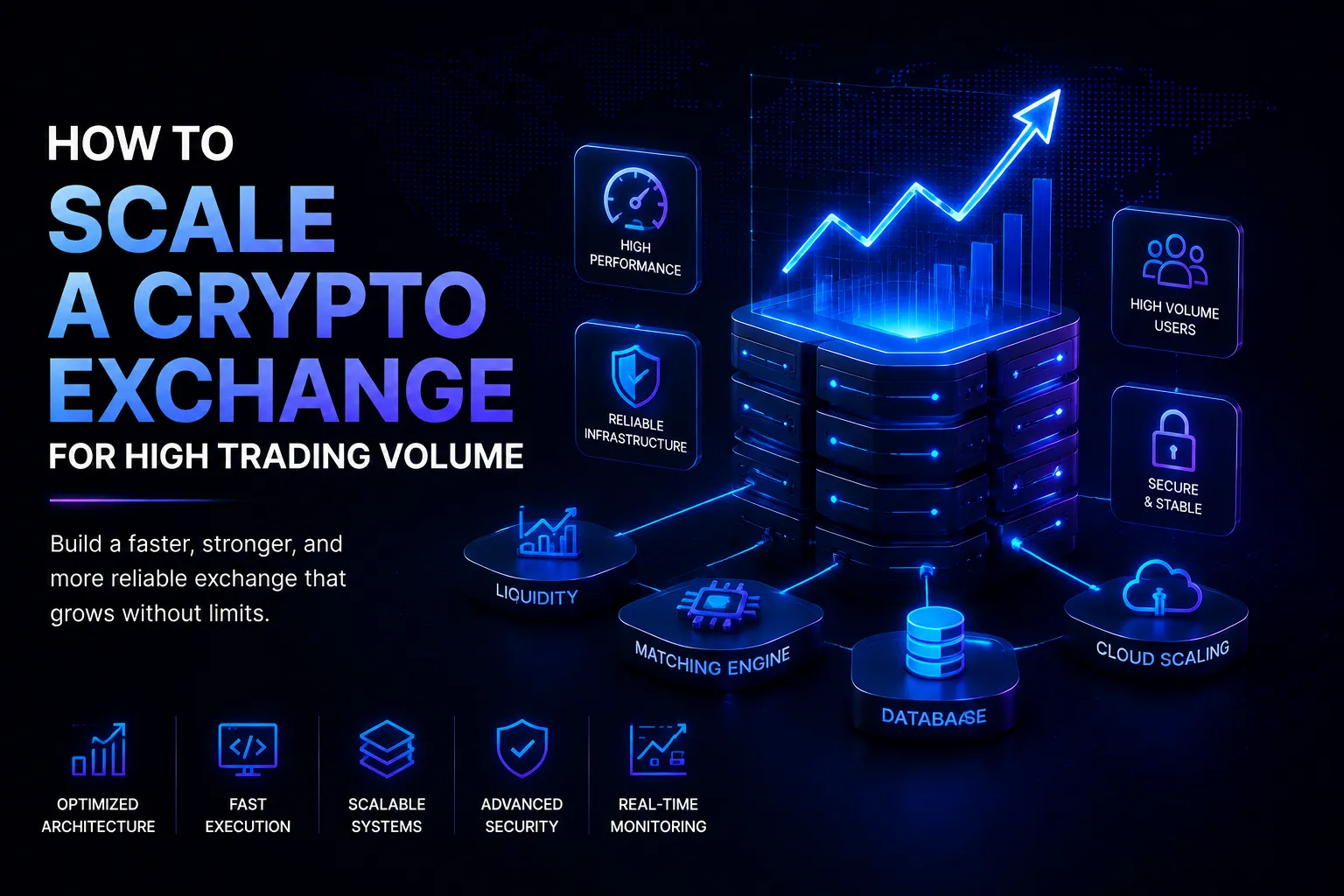
How to Scale a Crypto Exchange for High Trading Volume
 02 Sep, 2026
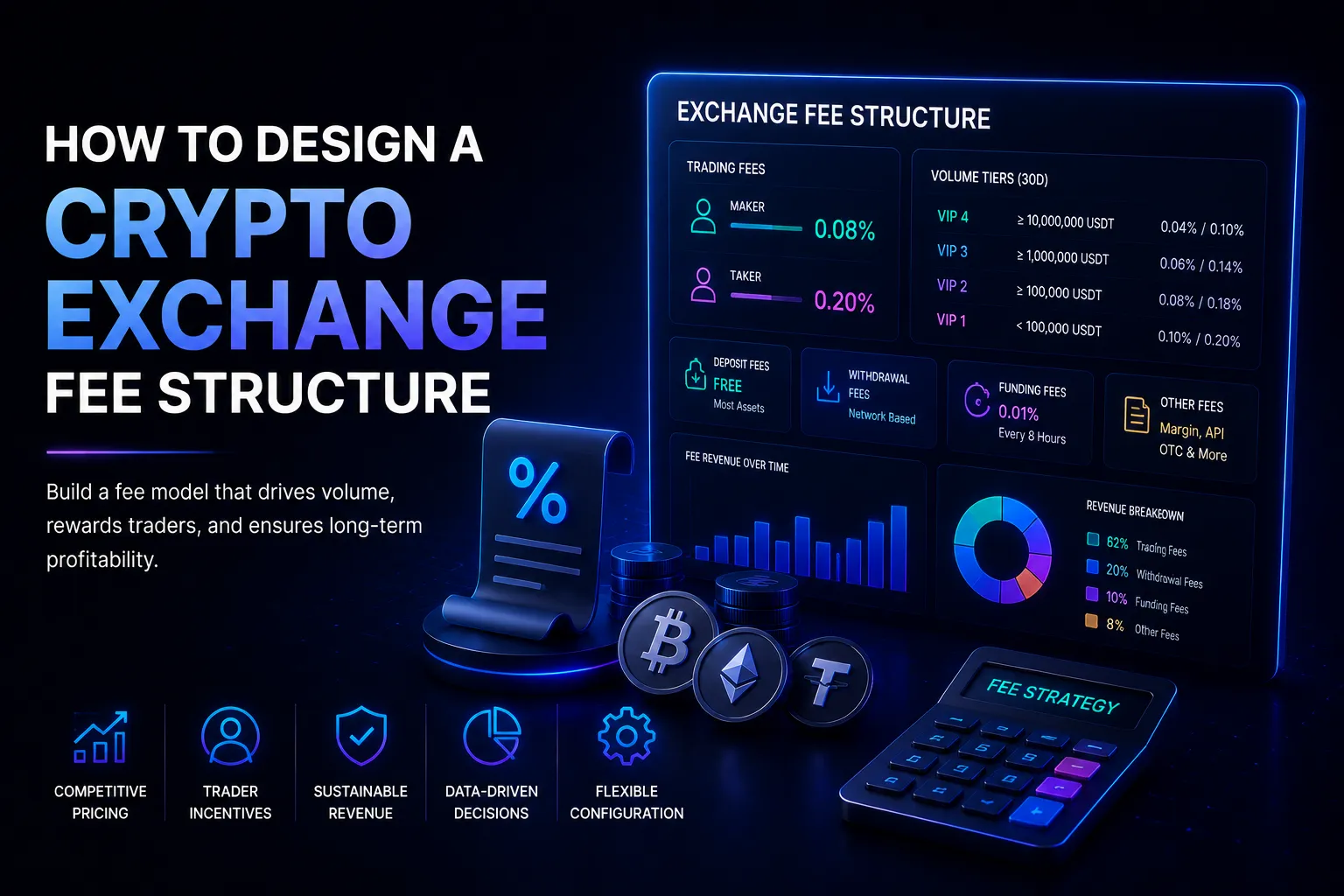
How to Design a Crypto Exchange Fee Structure
 01 Sep, 2026
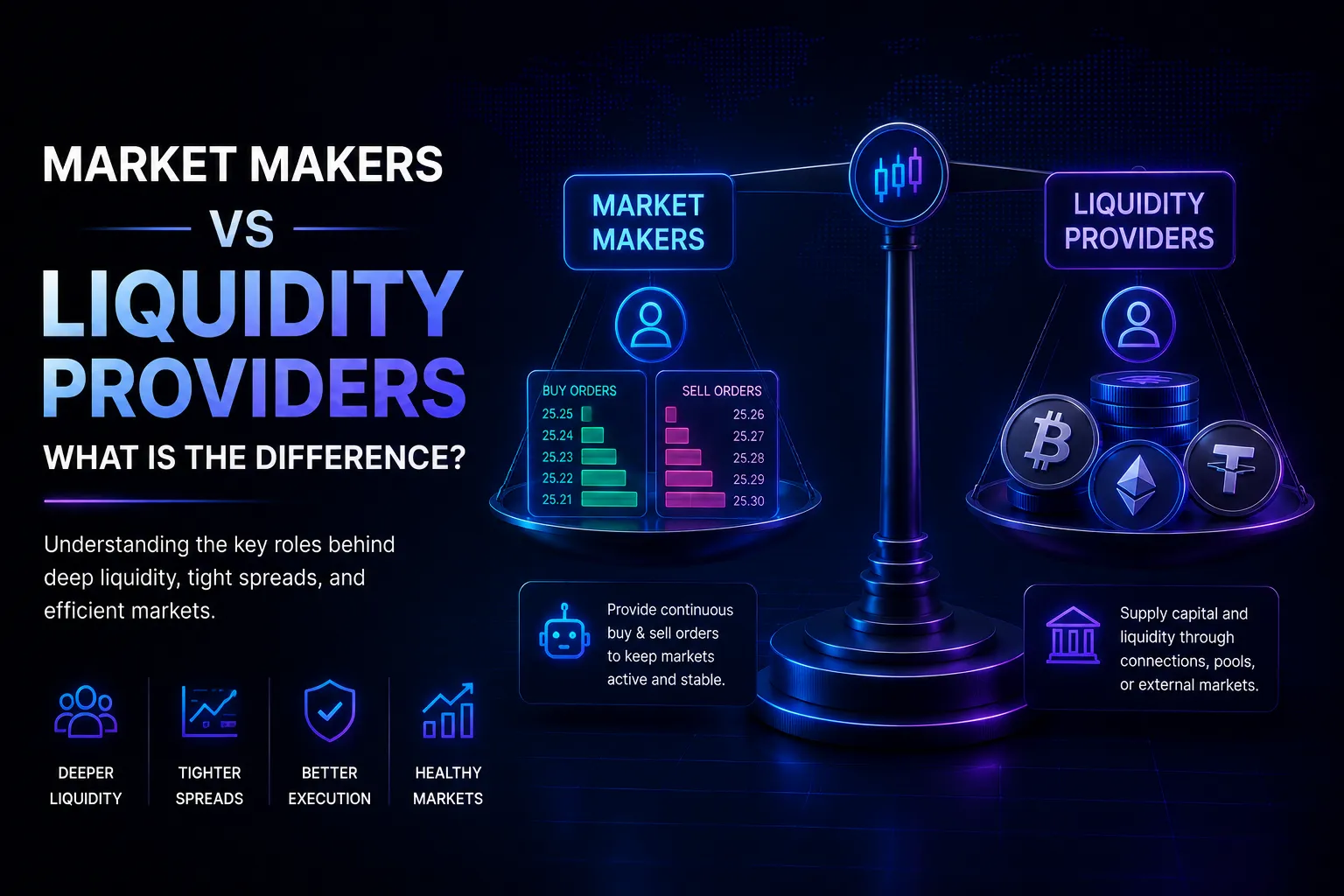
Market Makers vs Liquidity Providers: What Is the Difference?
Build with Javizen.
Planning an exchange, token or blockchain product? Talk to our team and turn the ideas in this article into a launch-ready platform.